dermatology
Alopecia Areata: Causes, Symptoms, and Treatment Methods
Alopecia areata is a common autoimmune skin condition that primarily affects the scalp, causing sudden, patchy hair loss.
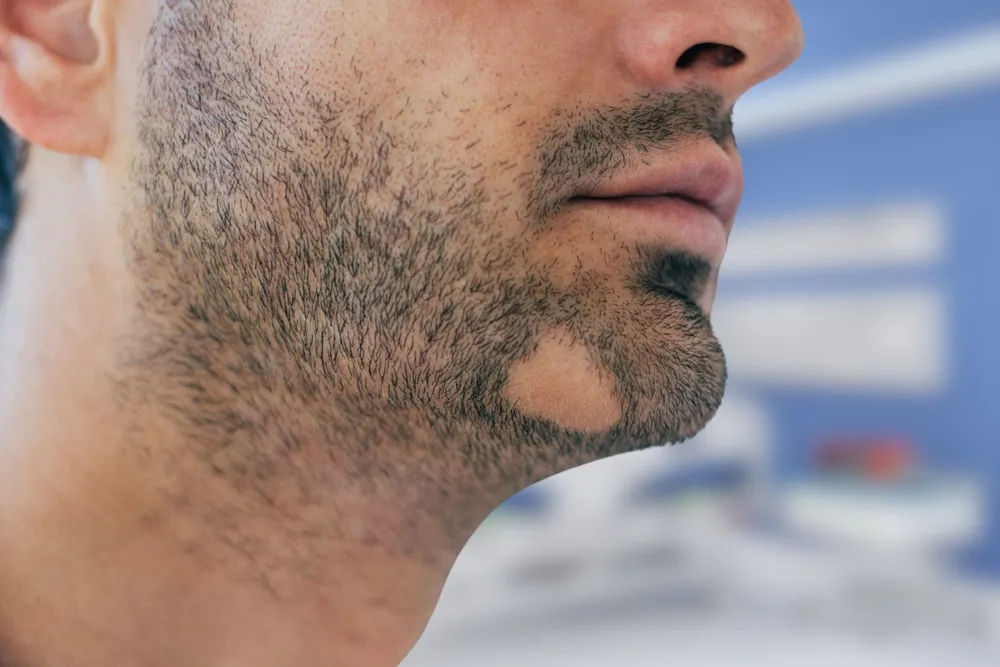
Alopecia areata is a common autoimmune skin condition that primarily affects the scalp, though it can impact other areas of the body. This disease triggers sudden hair loss and affects men, women, and in some cases, children. The severity of the condition varies from person to person, ranging from mild hair loss in localized spots to complete hair loss across the body. In this article, we review the most important information regarding alopecia areata in terms of its causes, symptoms, and available treatment options.
First: What is Alopecia Areata?
Alopecia areata is an autoimmune condition where the immune system mistakenly attacks the hair follicles, leading to hair loss. It frequently manifests as smooth, round, or oval patches devoid of hair. In some instances, it can progress into more severe forms such as alopecia totalis (total scalp hair loss) or alopecia universalis (complete body hair loss).
Second: Causes of Alopecia
While the exact cause is not fully understood, several factors are believed to trigger the condition. These include immune system dysregulation, genetic predisposition, severe psychological or emotional stress, and certain co-existing autoimmune diseases such as systemic lupus erythematosus, thyroiditis, vitiligo, and type 1 diabetes.
Third: Symptoms of Alopecia Areata
Symptoms include sudden hair loss in the form of bare patches, which may sometimes be accompanied by mild itching or a tingling sensation. In certain cases, fingernail or toenail changes occur, such as pitting or brittleness, and recurrent hair loss may happen across different areas of the body.
Fourth: Diagnosis of Alopecia
Diagnosis is typically made through a clinical examination by a dermatologist. Blood tests may be requested to screen for associated autoimmune diseases. In rare cases, a scalp biopsy might be performed, alongside an assessment of the patient's nails.
Fifth: Treatment Methods
Although there is currently no cure for alopecia areata, several treatment options help stimulate hair regrowth. These include corticosteroids (administered via local injections, topical creams, or oral tablets), topical immunotherapy, Minoxidil, phototherapy, and modern biologic treatments such as JAK inhibitors.
Sixth: Tips for Managing Alopecia
Providing psychological support to the patient and managing stress levels are critical steps. It is recommended to use gentle hair care products and to raise awareness that alopecia areata is not a contagious disease and is entirely unrelated to personal hygiene. Continuous follow-ups with a dermatologist greatly improve overall therapeutic outcomes.
Related Topics
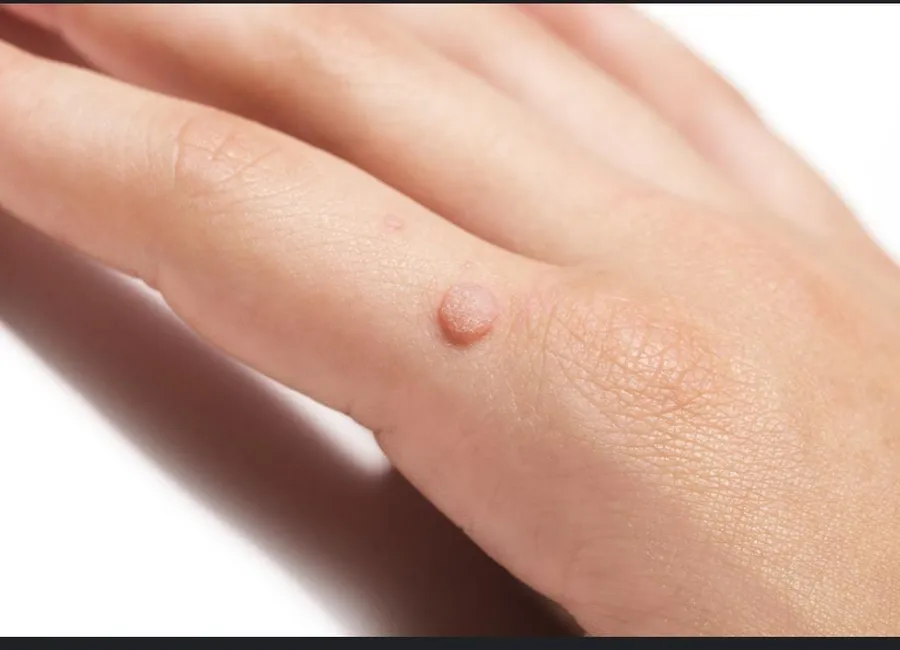
تقنية إزالة الثآليل
تعتبر الثآليل من المشكلات الجلدية الشائعة التي قد يعاني منها الكثيرون في مراحل مختلفة من حياتهم، وهناك العديد من التقنيات الحديثة التي تساعد على إزالتها بشكل فعال وآمن.
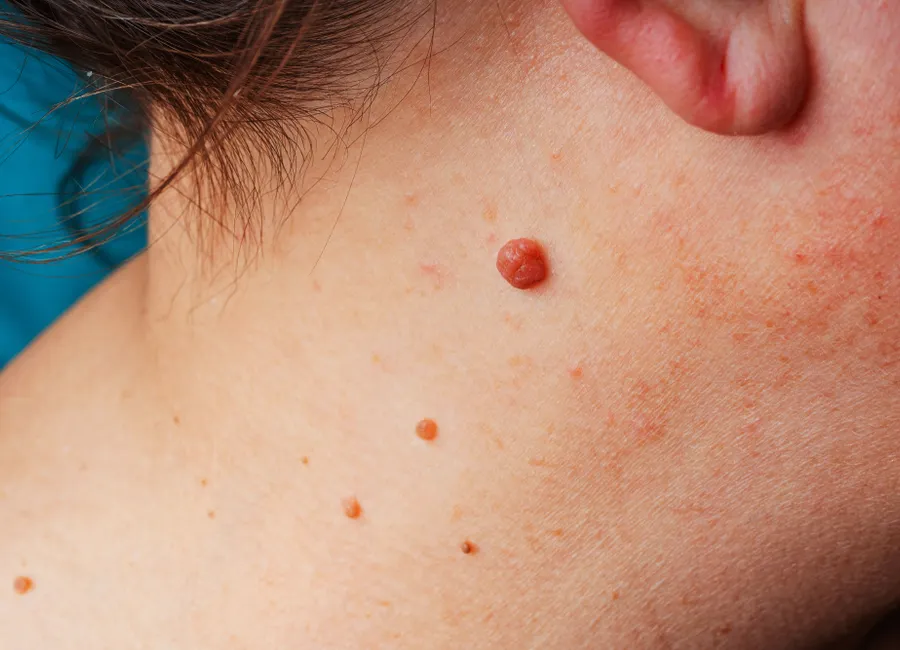
تقنية إزالة الزوائد الجلدية
الزوائد الجلدية قد تكون غير مؤلمة لكنها قد تسبب الانزعاج الجمالي أو الاحتكاك المستمر، وتوفر التقنيات الحديثة حلولًا فعالة وآمنة لإزالتها.
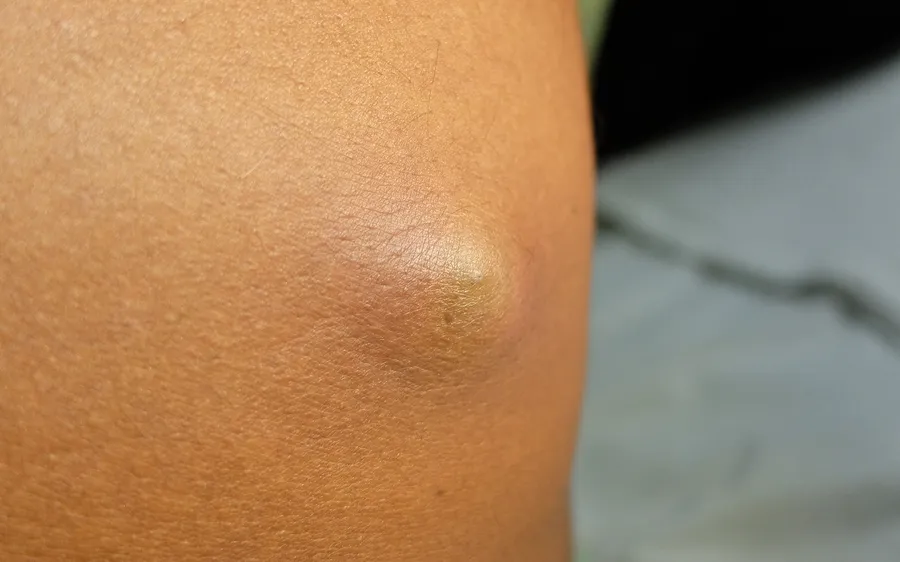
إزالة الأكياس الدهنية
تعد الأكياس الدهنية من المشكلات الشائعة التي تظهر تحت الجلد ويمكن أن تسبب إزعاجًا جماليًا، وتتوفر اليوم عدة تقنيات فعالة لإزالتها بأمان.
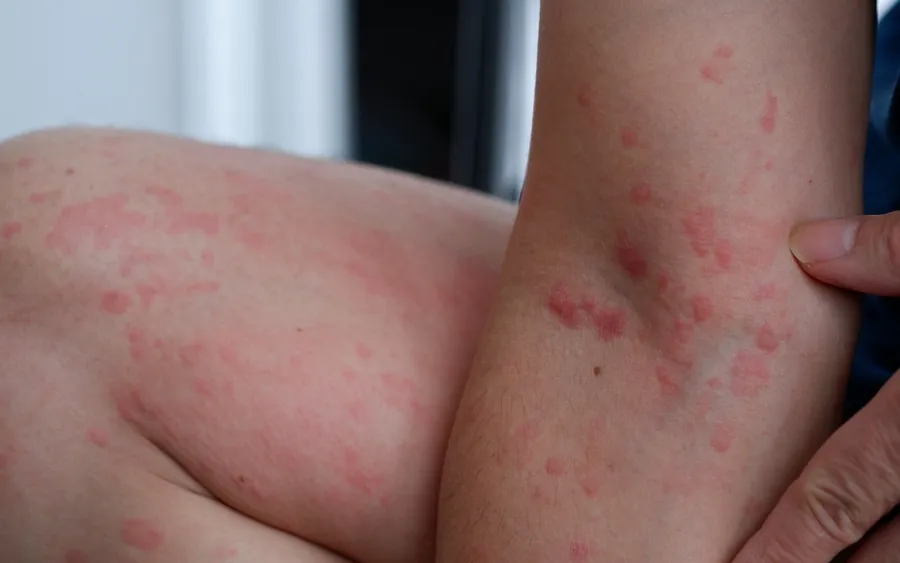
رحلة الشفاء من الإكزيما
تُعد الإكزيما من التحديات الجلدية المزمنة التي تحتاج إلى عناية مستمرة وخطة علاجية متكاملة تشمل الترطيب والعلاج الدوائي ونمط الحياة.
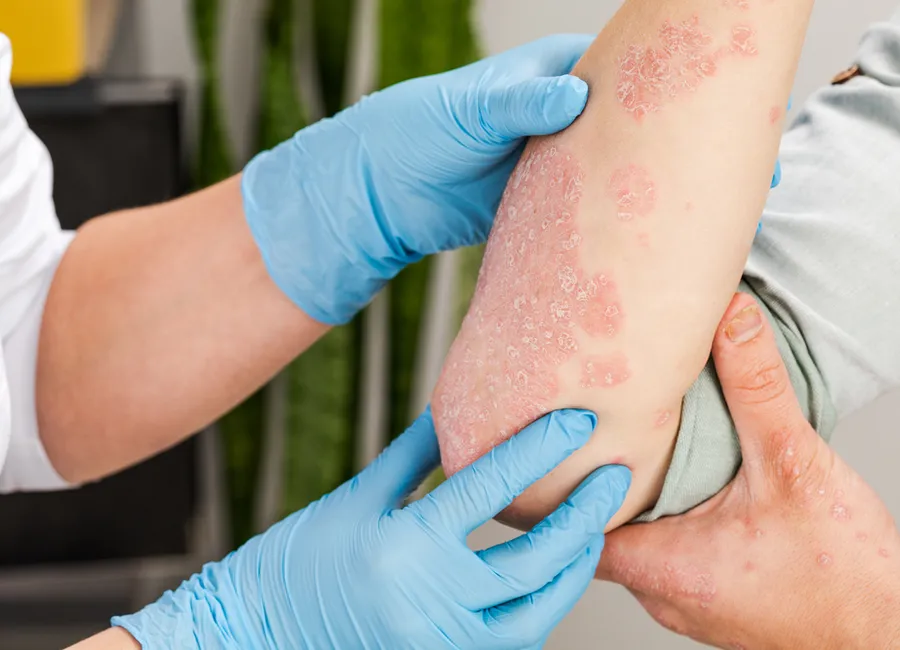
علاج الصدفية
الصدفية حالة جلدية مزمنة تتطلب علاجات متعددة تشمل الأشعة فوق البنفسجية، الكريمات الموضعية، والعلاجات البيولوجية الحديثة.
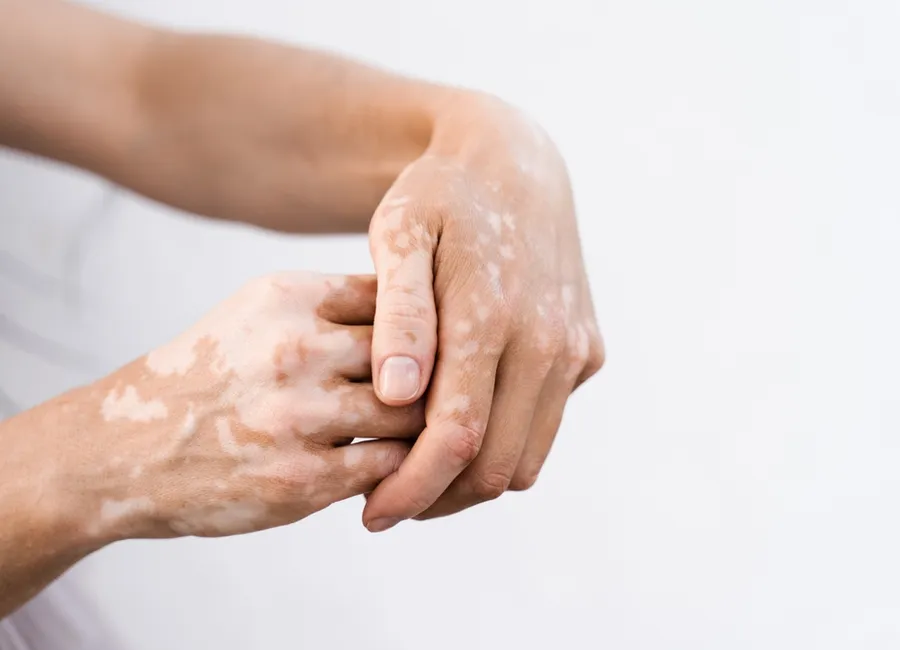
تقنية علاج البهاق: استعادة الجمال والثقة بالنفس
يعتبر البهاق من الاضطرابات الجلدية التي تحدث نتيجة لفقدان الميلانين، الصبغة المسؤولة عن لون البشرة، في بعض المناطق من الجلد.