dermatology
Scabies Treatment: Steps Toward Recovery and Healthier Skin
Scabies is a contagious skin condition caused by the microscopic mite Sarcoptes scabiei. It spreads easily through direct skin contact with an infected person or by sharing contaminated items such as clothing and towels.
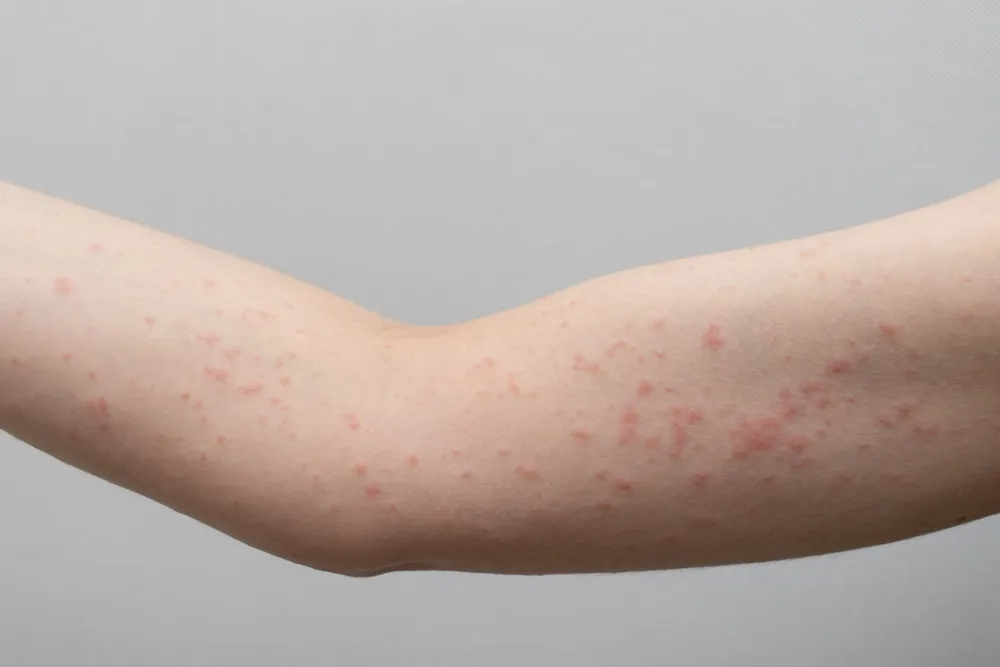
Scabies is a contagious skin condition caused by the microscopic mite known as Sarcoptes scabiei. It spreads easily through direct skin-to-skin contact with an infected person or by sharing contaminated items such as clothing and towels. Scabies is characterized by intense itching, especially at night, along with red spots or small bumps that develop as the body's immune system reacts to the mites, their eggs, and waste products. Although scabies can be uncomfortable and embarrassing, effective treatments are available, and the infestation can be successfully eliminated with proper care.
1. Topical Medications
The first-line and most effective treatment for scabies is the use of topical medications applied directly to the skin. Creams or ointments containing 5% permethrin are among the most effective treatments for eliminating the mites. The cream is applied to the entire body, excluding the face and eyes unless otherwise directed by a healthcare provider, and left on for several hours (typically 8 to 12 hours) before washing it off. It is usually applied in the evening so the medication can work overnight, when the mites are most active.
2. Sulfur Treatment
Sulfur is a traditional and effective treatment for scabies, especially for children or individuals who cannot use chemical medications. Sulfur ointment is applied to the affected areas of the skin for several consecutive days to kill the mites and their eggs. Although sulfur treatment may take longer than other options, it is considered a safe and effective alternative for people with sensitivities to conventional medications.
3. Oral Medications
For advanced cases of scabies or those that do not respond to topical treatments, a doctor may prescribe oral medications. One of the most commonly used is ivermectin, an oral medication that works by eliminating the mites from within the body. A second dose may be recommended after two weeks if symptoms persist. Oral treatment is particularly useful for severe infestations or cases involving large areas of the body.
4. Personal Care and Prevention
In addition to medical treatment, patients should follow several hygiene measures to speed up recovery and prevent reinfestation. Clothing, towels, and bed linens should be washed in hot water and thoroughly sanitized after treatment. Bedding and personal items can harbor mites, so they should be cleaned regularly. Patients should also avoid direct contact with infected individuals during treatment and stay away from crowded places such as schools or public facilities whenever possible. Wearing clean, breathable clothing can also help promote healing.
5. Home Remedies for Symptom Relief
While medical treatment is essential for eliminating scabies, certain home remedies may help relieve symptoms such as intense itching. Tea tree oil, which has antibacterial and antifungal properties, may help soothe the skin when used appropriately. Oatmeal baths can also help reduce irritation and calm inflamed skin.
6. Importance of Medical Follow-Up
It is important to continue follow-up appointments with a healthcare provider after treatment to ensure the mites have been completely eliminated and symptoms have resolved. If itching or skin lesions persist for several weeks after treatment, additional therapy or evaluation for another skin condition may be necessary.
7. Preventing Scabies
The best way to prevent scabies is to avoid direct contact with infected individuals and take appropriate precautions in crowded environments. Maintaining good personal hygiene and wearing clean clothing regularly can also reduce the risk of infection. If scabies occurs in settings such as schools or households, educating everyone about treatment and preventive measures is essential to stop the spread of the infestation.
Related Topics
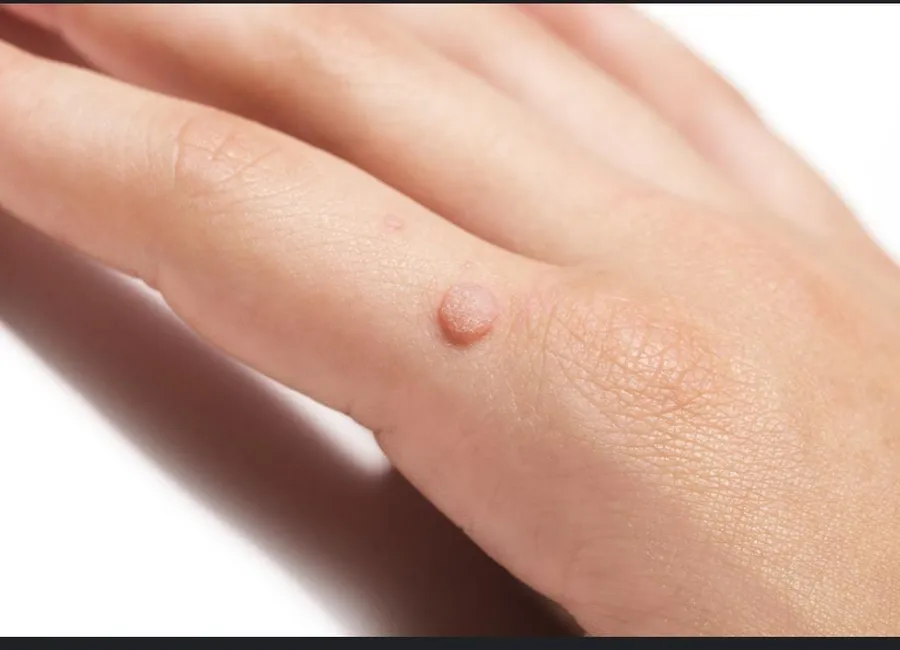
تقنية إزالة الثآليل
تعتبر الثآليل من المشكلات الجلدية الشائعة التي قد يعاني منها الكثيرون في مراحل مختلفة من حياتهم، وهناك العديد من التقنيات الحديثة التي تساعد على إزالتها بشكل فعال وآمن.
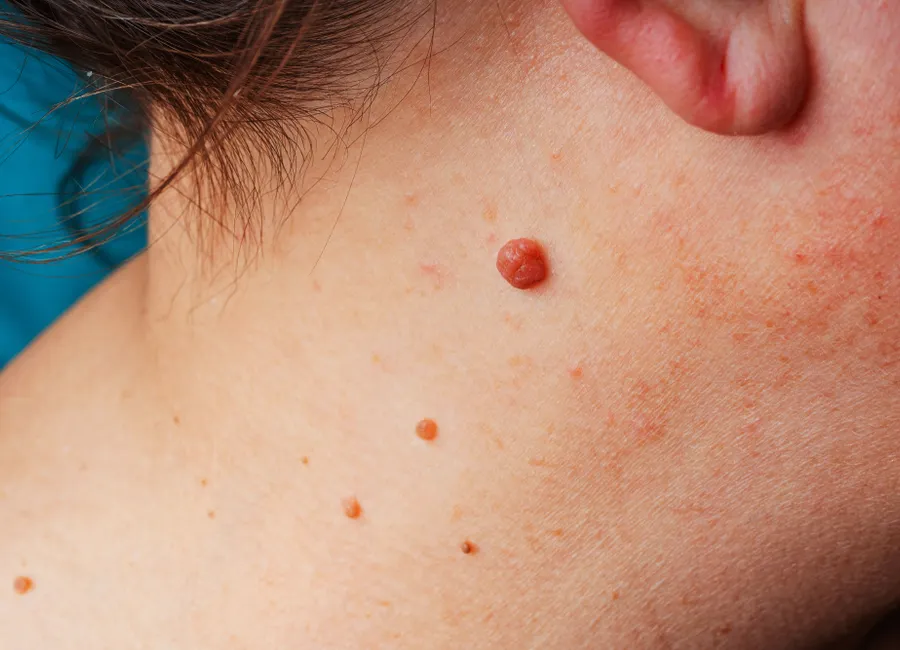
تقنية إزالة الزوائد الجلدية
الزوائد الجلدية قد تكون غير مؤلمة لكنها قد تسبب الانزعاج الجمالي أو الاحتكاك المستمر، وتوفر التقنيات الحديثة حلولًا فعالة وآمنة لإزالتها.
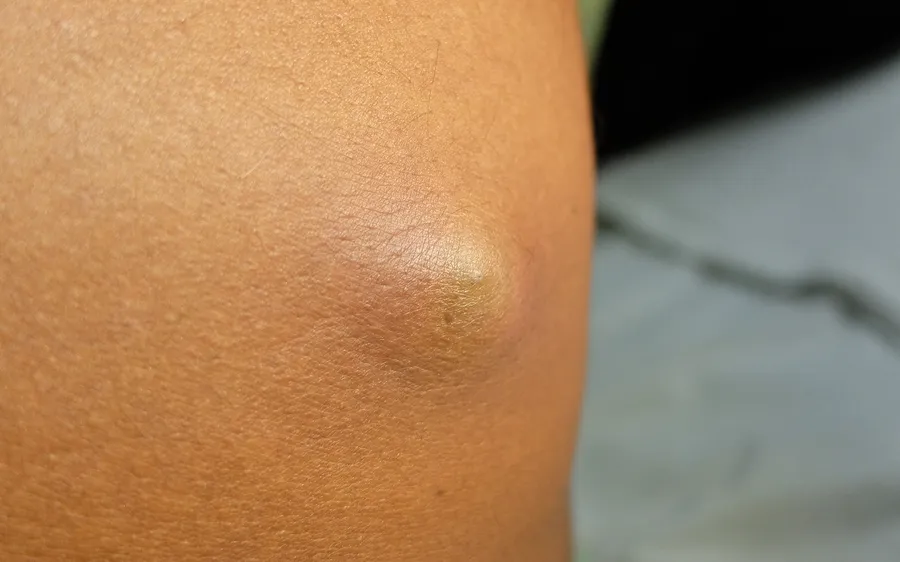
إزالة الأكياس الدهنية
تعد الأكياس الدهنية من المشكلات الشائعة التي تظهر تحت الجلد ويمكن أن تسبب إزعاجًا جماليًا، وتتوفر اليوم عدة تقنيات فعالة لإزالتها بأمان.
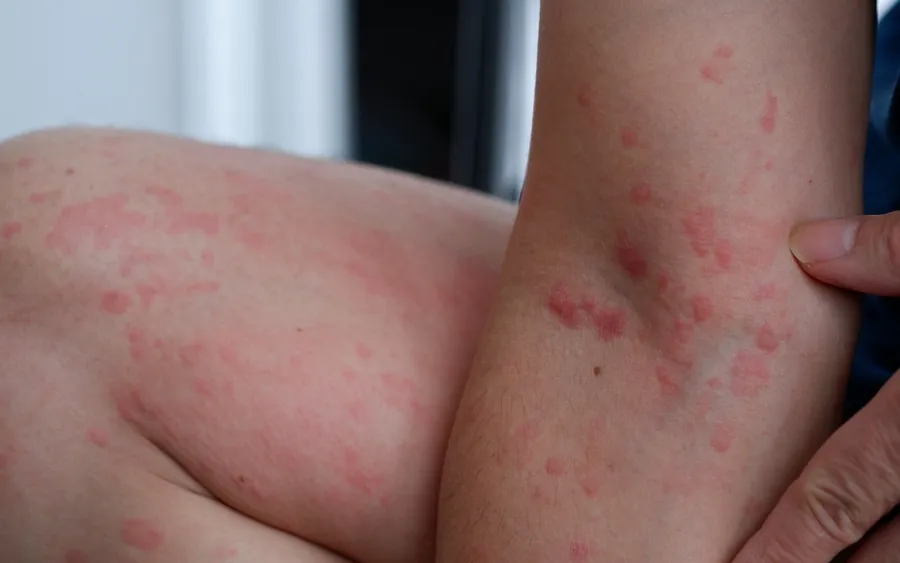
رحلة الشفاء من الإكزيما
تُعد الإكزيما من التحديات الجلدية المزمنة التي تحتاج إلى عناية مستمرة وخطة علاجية متكاملة تشمل الترطيب والعلاج الدوائي ونمط الحياة.
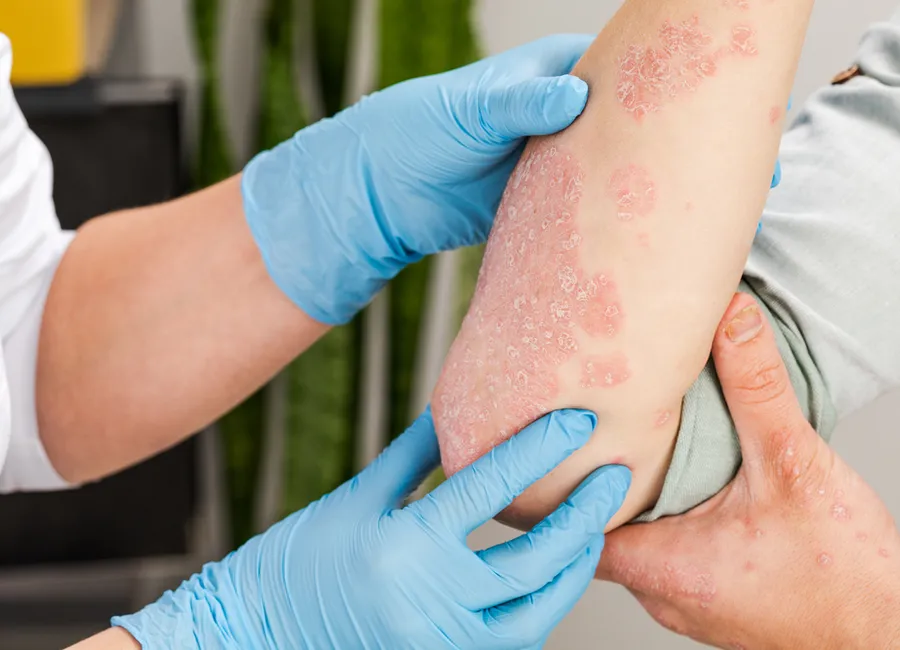
علاج الصدفية
الصدفية حالة جلدية مزمنة تتطلب علاجات متعددة تشمل الأشعة فوق البنفسجية، الكريمات الموضعية، والعلاجات البيولوجية الحديثة.
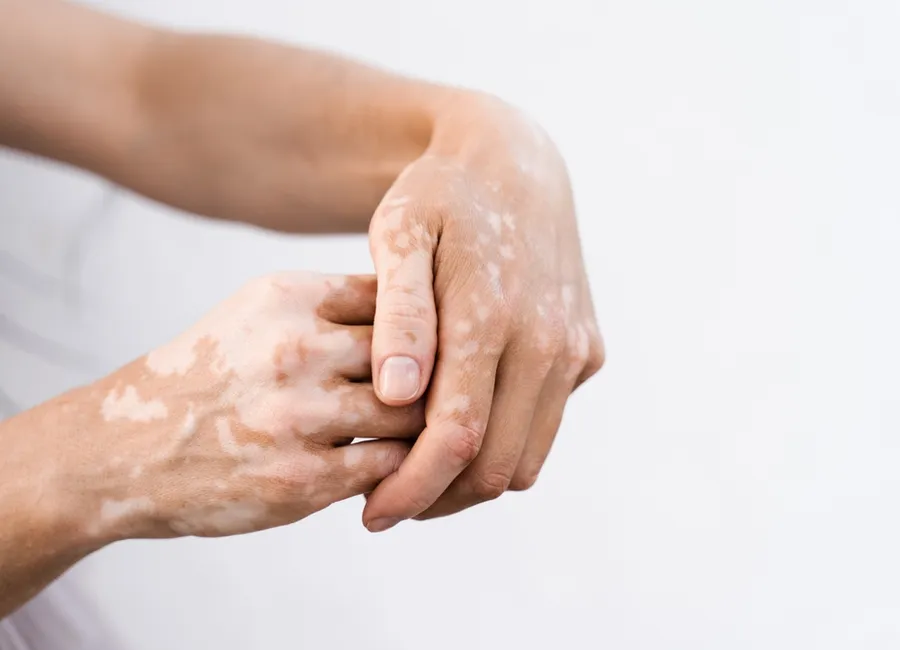
تقنية علاج البهاق: استعادة الجمال والثقة بالنفس
يعتبر البهاق من الاضطرابات الجلدية التي تحدث نتيجة لفقدان الميلانين، الصبغة المسؤولة عن لون البشرة، في بعض المناطق من الجلد.