dermatology
The Journey to Healing from Eczema
Eczema is a chronic skin condition that requires ongoing care and a comprehensive treatment plan including moisturization, medical treatment, and lifestyle management.
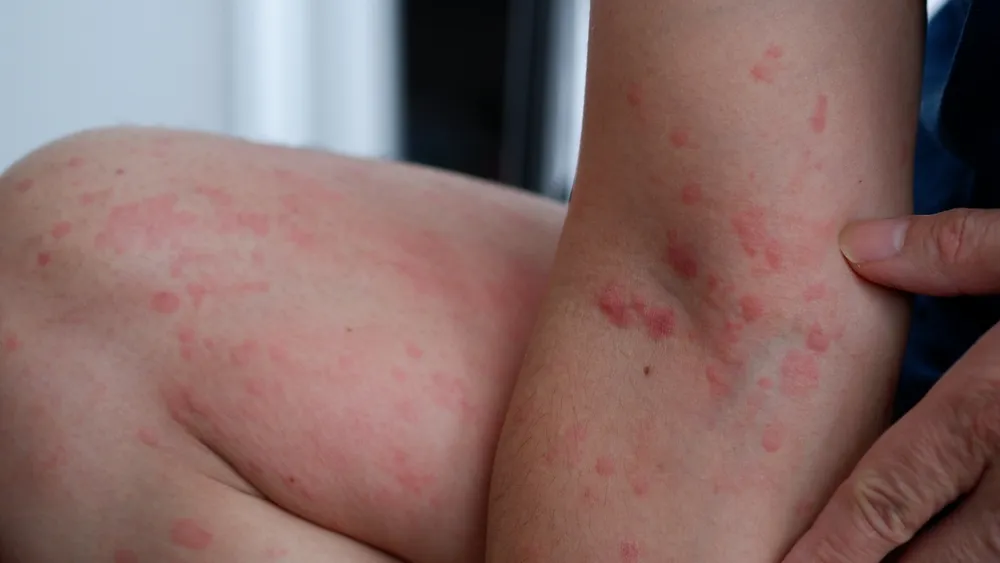
Eczema is one of those skin conditions that may accompany a person for long periods, but it is not the end. It is an invitation to self-care, and to maintaining a delicate balance in caring for the skin and body. Since eczema is not just a skin issue, but a condition that reflects multiple internal and external interactions, its treatment requires well-planned steps and attentive care.
1. Moisturization First:
Dry skin is the perfect environment for eczema to appear. Therefore, treatment begins with regular use of moisturizers and emollients. These oils and creams do not only hydrate the skin but also protect it from irritants. Use fragrance-free and alcohol-free moisturizers for best results.
2. Anti-inflammatory Medications:
One of the key allies in this healing journey is corticosteroid creams. These creams effectively reduce inflammation and itching associated with eczema. However, they should be used carefully and under medical supervision to avoid unwanted side effects.
3. Rest for Irritated Skin:
Skin affected by eczema needs rest. Avoid exposure to irritants such as harsh soaps or strong chemicals. Wearing soft fabrics like cotton helps reduce friction that may worsen symptoms.
4. Immune System Management:
In chronic eczema cases, the immune system may be the main cause of the condition. Therefore, immunosuppressive medications can be an effective treatment option to help reduce symptoms.
5. Phototherapy Balance:
Light therapy, which uses ultraviolet rays, is another option that can help reduce swelling and inflammation. It is a precise treatment that requires medical supervision, but it offers new hope for many patients with severe eczema.
6. Diet and Healthy Habits:
Skin care is not limited to external treatments. Proper nutrition and avoiding foods that may increase inflammation can play a major role in improving skin condition. Hormonal balance and good sleep also positively affect recovery speed.
7. Prevention is Better Than Cure:
It is important to remember that prevention comes before treatment. Avoiding triggers that worsen eczema such as excessive stress, extreme weather changes, and exposure to dirt or chemicals can significantly reduce flare-ups.
The journey of healing from eczema is not always easy, but it is possible. With the right measures—from regular moisturizing to specialized treatments—your life can change significantly. Every step in treatment is a step toward healthier, more comfortable skin, and a life free from pain and discomfort.
Related Topics
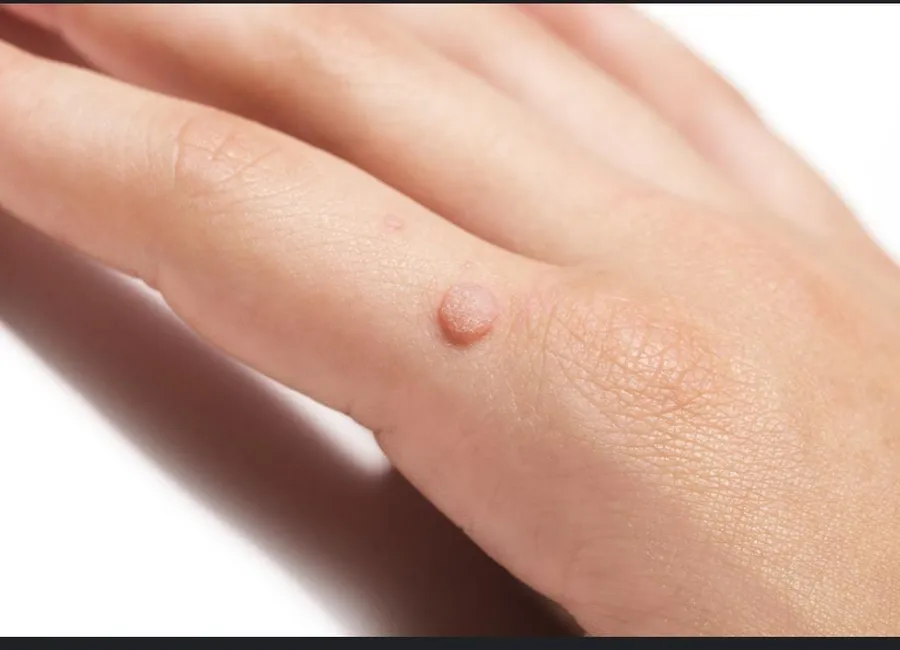
Wart Removal Techniques
Warts are common skin concerns that many people experience at different stages of life. There are several modern techniques that help remove them effectively and safely.
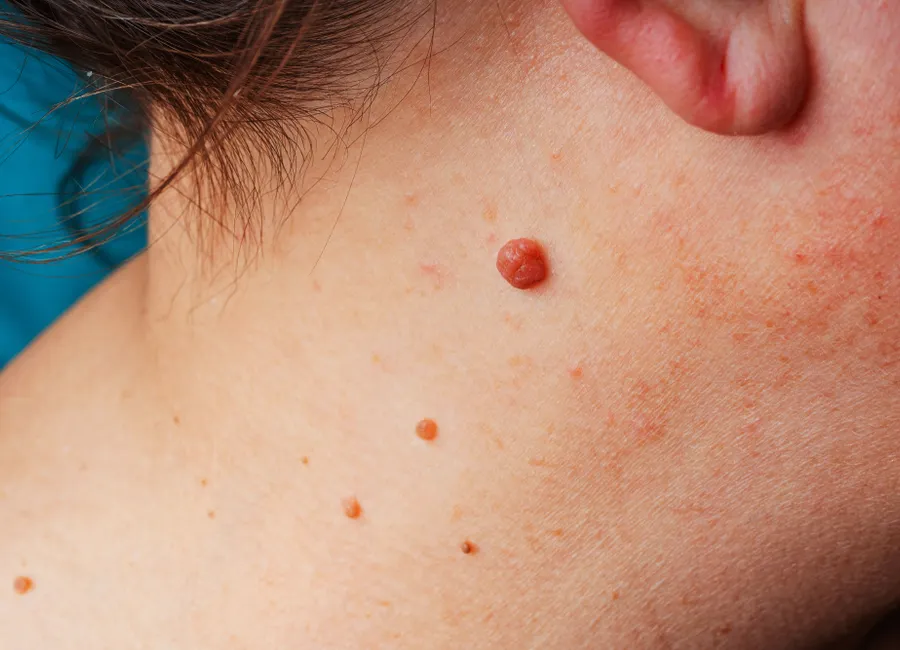
Skin Tag Removal Techniques
Skin tags are usually painless but can cause cosmetic concerns or irritation from constant friction. Modern techniques offer safe and effective options for removing them.
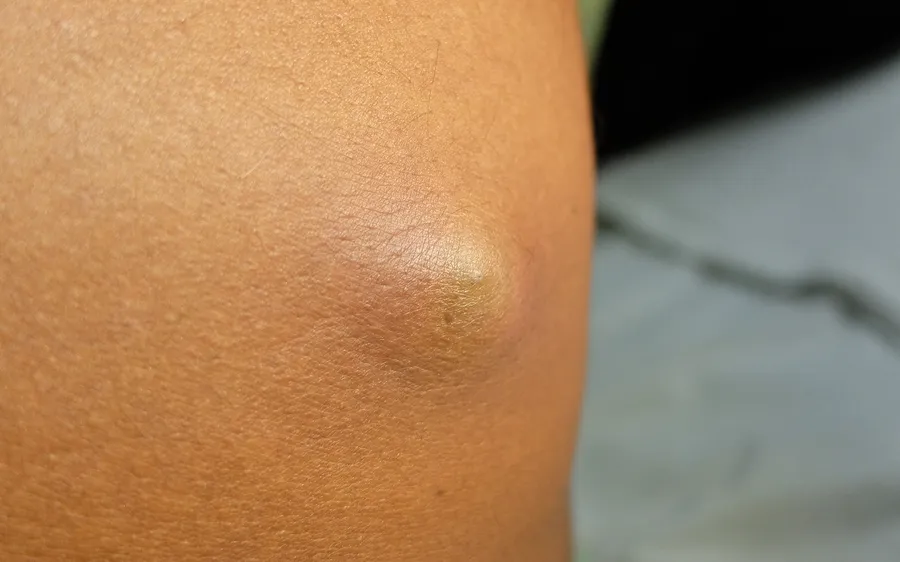
Sebaceous Cyst Removal
Sebaceous cysts are a common condition that appears beneath the skin and may cause cosmetic concerns. Today, several effective techniques are available to remove them safely.
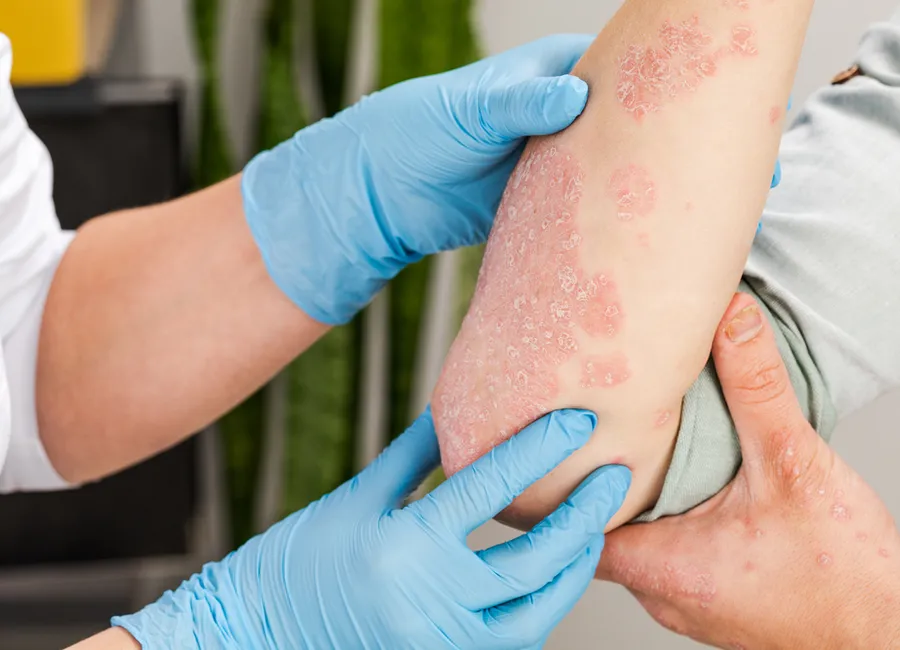
Psoriasis Treatment
Psoriasis is a chronic skin condition that requires a range of treatments, including ultraviolet light therapy, topical creams, and modern biologic therapies.
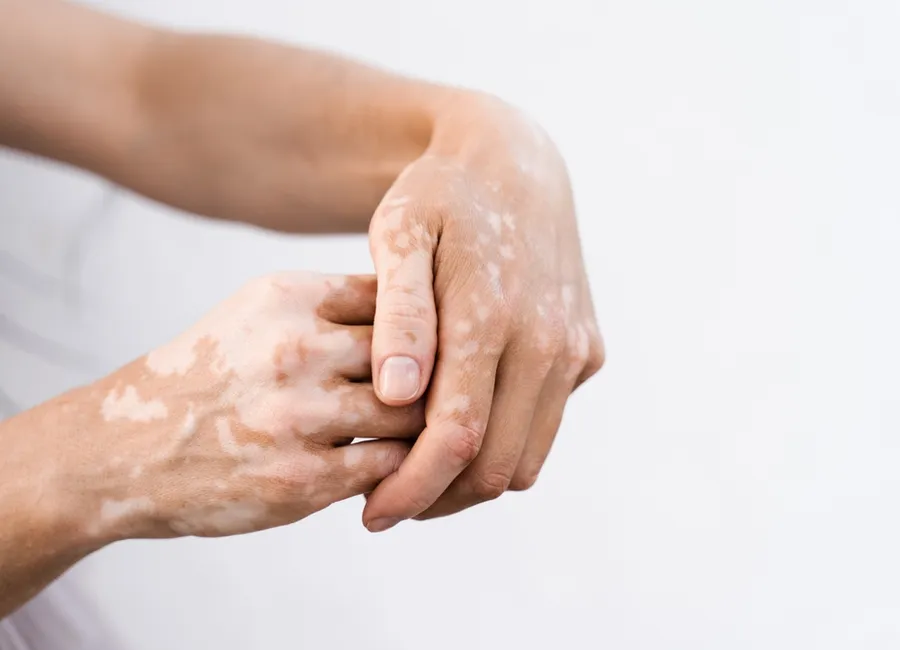
Vitiligo Treatment Techniques: Restoring Beauty and Self-Confidence
Vitiligo is a skin disorder caused by the loss of melanin, the pigment responsible for skin color, in certain areas of the skin.
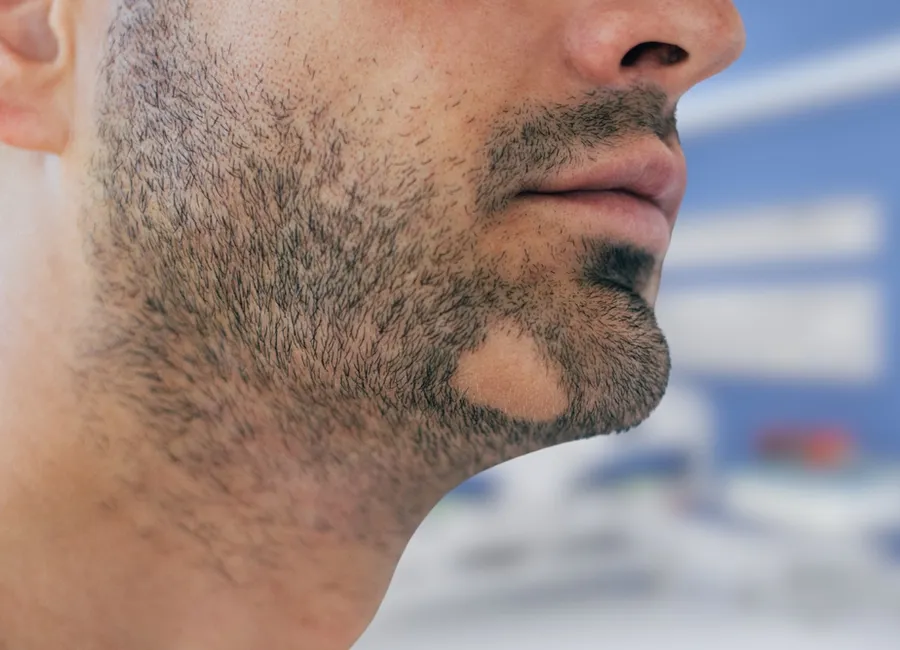
Alopecia Areata: Causes, Symptoms, and Treatment Methods
Alopecia areata is a common autoimmune skin condition that primarily affects the scalp, causing sudden, patchy hair loss.