laser
Laser Scar Removal
Scars are a natural part of the skin's healing process after an injury or surgery. Their appearance can be improved through several medical treatments, including laser therapy, injections, and chemical peels.
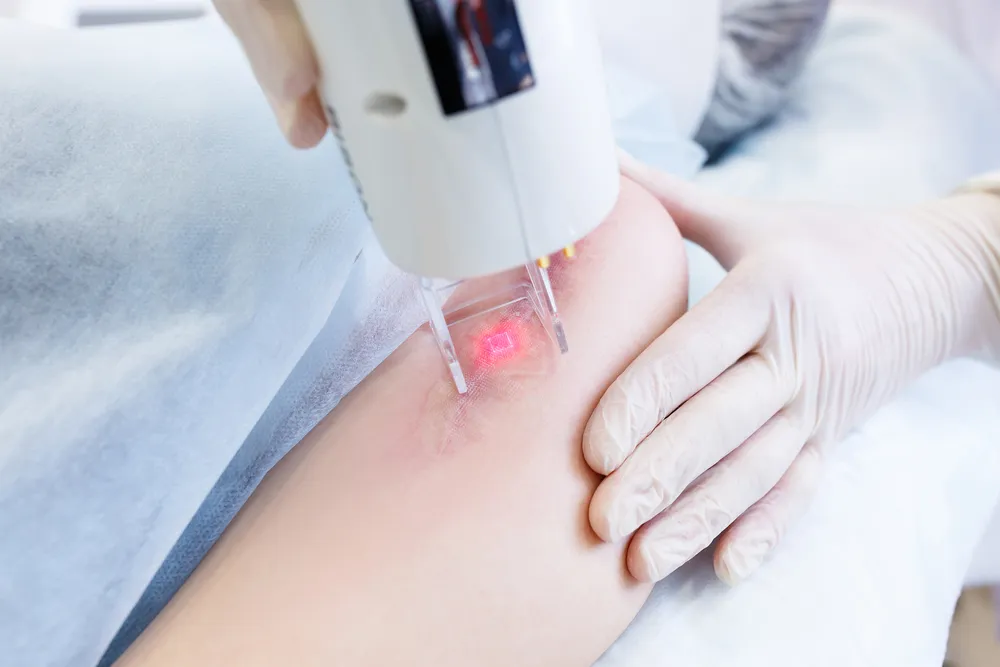
Scars are a natural part of the skin's healing process following an injury or surgery. However, some people may feel self-conscious about their appearance, especially if the scars are raised or located on visible areas of the body. Fortunately, several evidence-based treatments can help reduce the appearance of scars and improve the skin's overall appearance.
Types of Scars
Before exploring treatment options, it is important to understand the different types of scars, as each type requires a different treatment approach.
Types of Scars
- Hypertrophic scars: These scars are raised and thick due to excessive collagen production during the healing process.
- Atrophic scars: These scars appear sunken below the surface of the skin as a result of collagen loss.
Evidence-Based Treatment Options
Treatment options for scars vary depending on the type of scar and its severity, and may include several medical approaches.
Treatment Methods
- Laser therapy: Laser treatment removes the outer layer of the skin and stimulates collagen production, helping reduce the appearance of scars. Different types of lasers are used depending on the scar type and skin color.
- Injections: Certain substances, such as corticosteroids or hyaluronic acid, can be injected into scars to reduce their size and improve their appearance.
- Chemical peels: Chemical peels remove the outer layer of the skin and stimulate the growth of new skin cells, helping minimize the appearance of scars.
- Surgery: In some cases, surgery may be necessary to remove the scar or improve its appearance.
- Pressure therapy: Pressure garments or compression bandages may be used to reduce the size of hypertrophic scars.
- Silicone therapy: Silicone sheets or silicone-based gels and creams can help hydrate scars and improve their appearance.
Additional Tips
- Keep the wound clean: Proper wound care helps prevent infection, which can worsen scarring.
- Cover the wound: Protect the wound with a clean dressing to reduce irritation from external factors.
- Avoid sun exposure: Protect scars from direct sunlight, as UV exposure may cause discoloration.
- Moisturize regularly: Applying a moisturizing cream can help improve the appearance of scars over time.
Important Notes
Consult a healthcare provider before starting any scar treatment to determine the most appropriate option based on the type and condition of the scar. Scar treatment often takes time and may require multiple sessions to achieve the desired results. While some scars may not disappear completely, their appearance can often be significantly improved with the appropriate medical treatments.
Related Topics
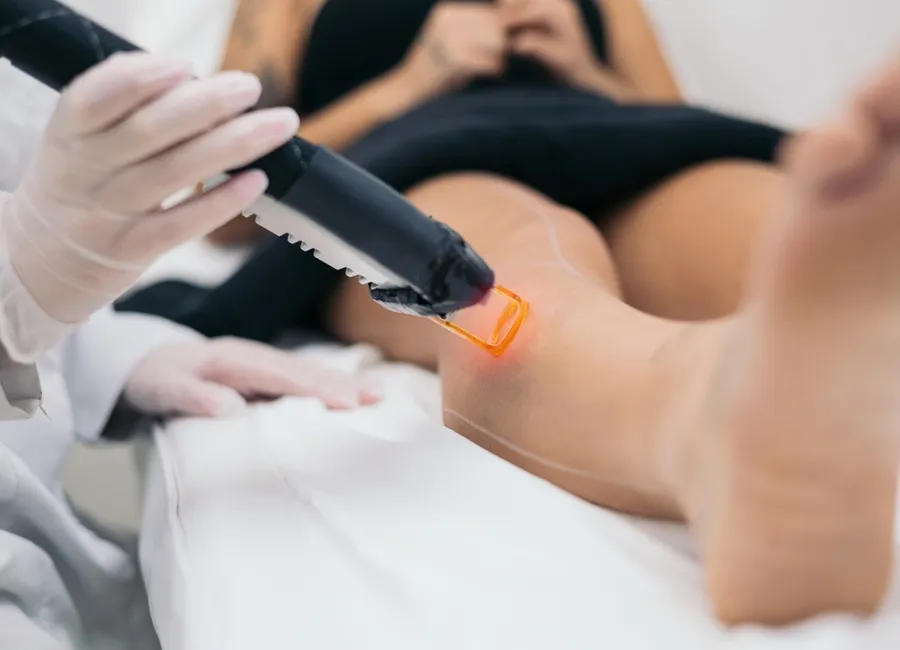
Laser Hair Removal
Laser hair removal is a cosmetic technique that uses laser beams to target hair follicles and destroy them, preventing hair regrowth and providing long-lasting smooth skin.
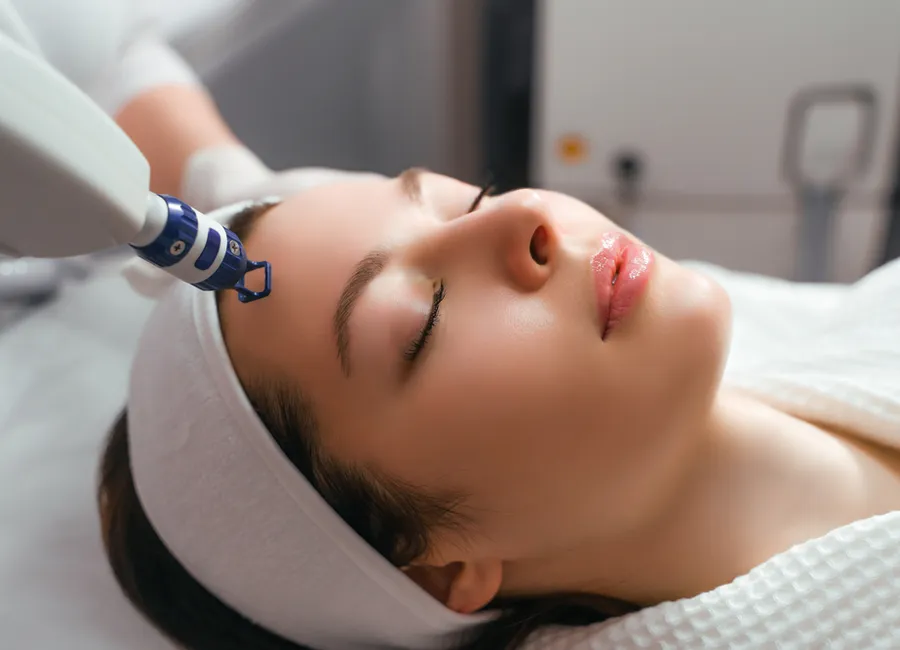
Laser Facial Hair Bleaching
Laser facial hair bleaching is a non-surgical cosmetic procedure that helps reduce the visibility of facial hair by bleaching its color for a smoother and more radiant appearance.
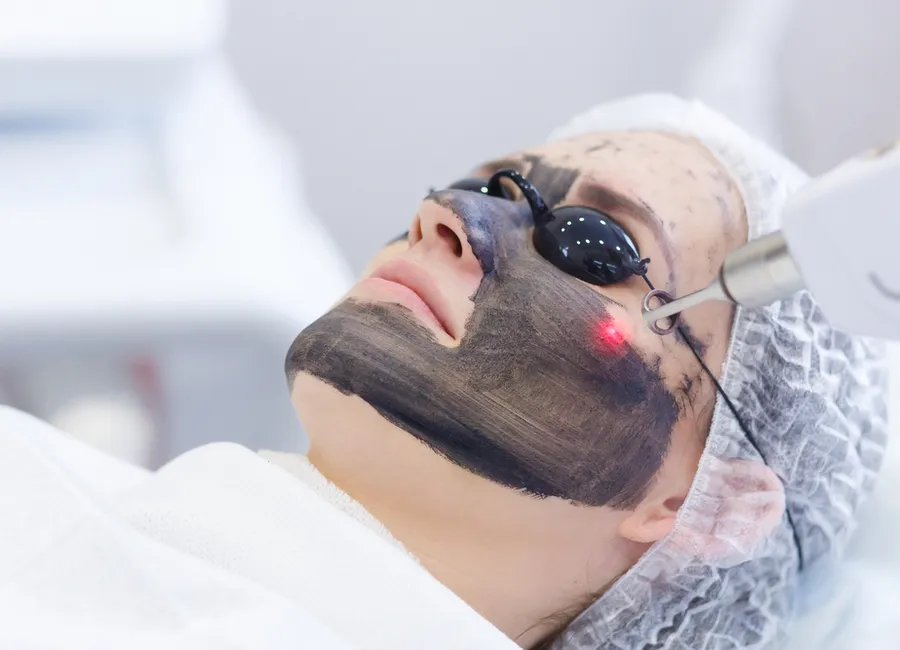
Pigmentation Removal
Skin pigmentation is a common issue that can affect the skin's appearance and cause discomfort for many.
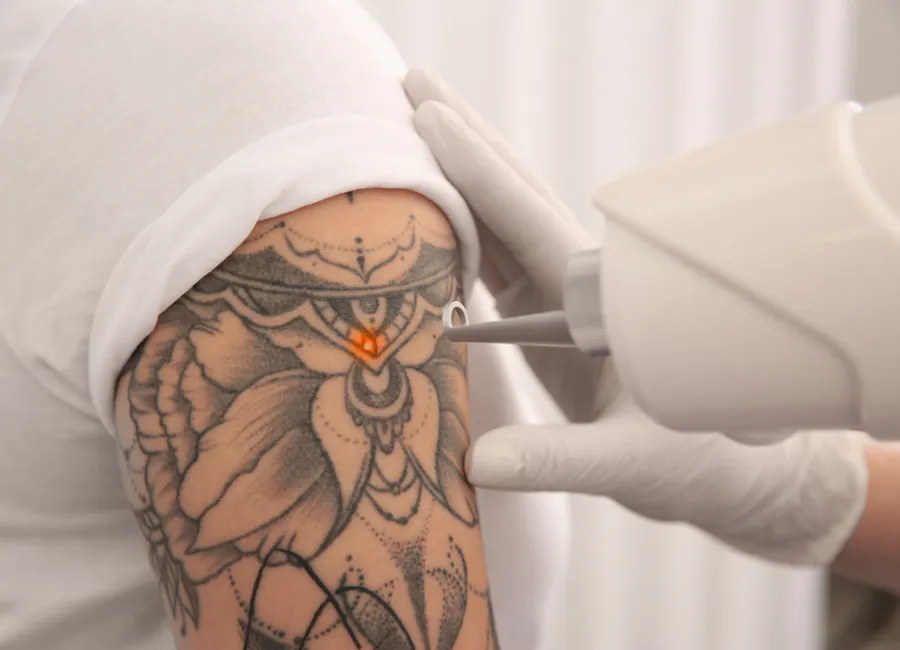
Tattoo Removal
Tattoo removal is a cosmetic procedure that relies on modern laser technologies to break down ink particles in the skin and gradually and safely remove tattoos.
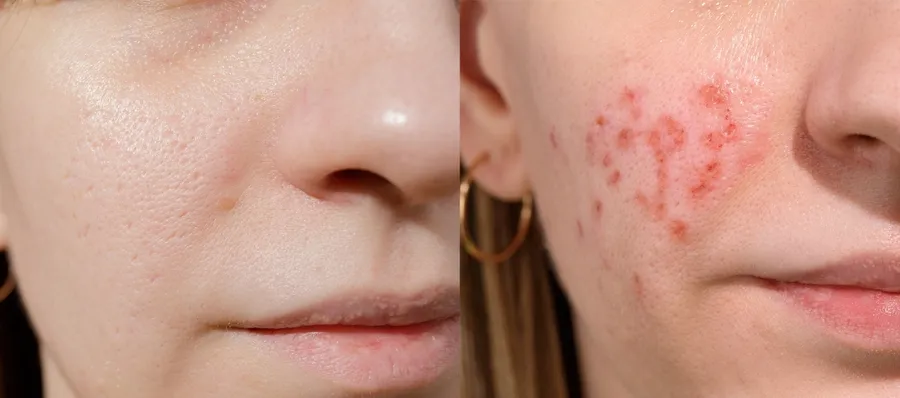
Removing acne scars
Acne is one of the most common skin problems, and its effects remain one of the most prominent challenges that can be treated with modern medical methods such as laser, chemical peels, and microneedling.
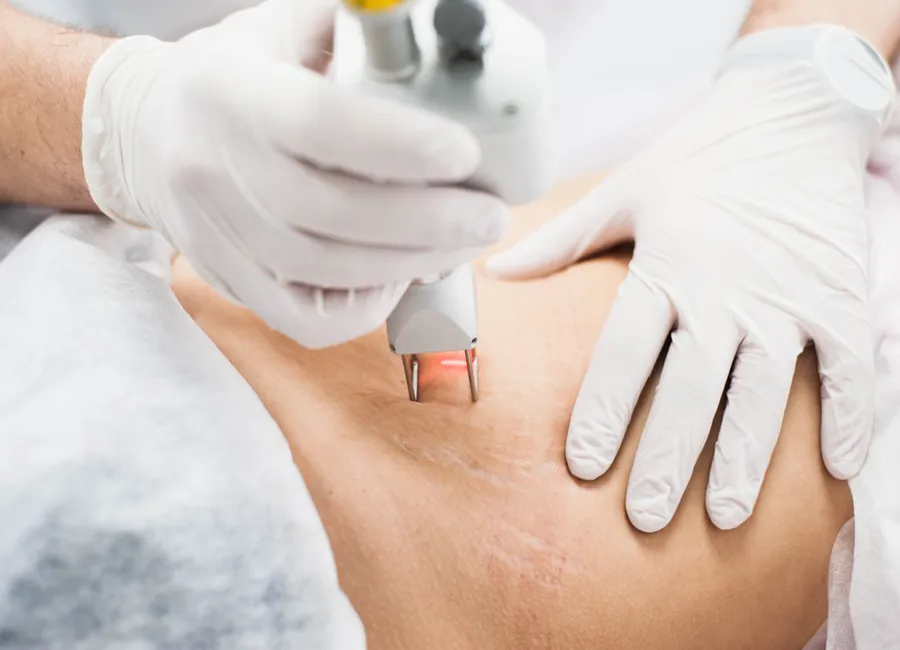
Laser Stretch Mark Treatment
Laser stretch mark treatment is a cosmetic procedure that helps reduce the appearance of white or red stretch marks caused by skin stretching and stimulates collagen production to improve skin texture.