skin-care
Chemical Peeling
Chemical peeling is an effective cosmetic treatment that helps improve skin appearance and reduce pigmentation, wrinkles, and acne scars.
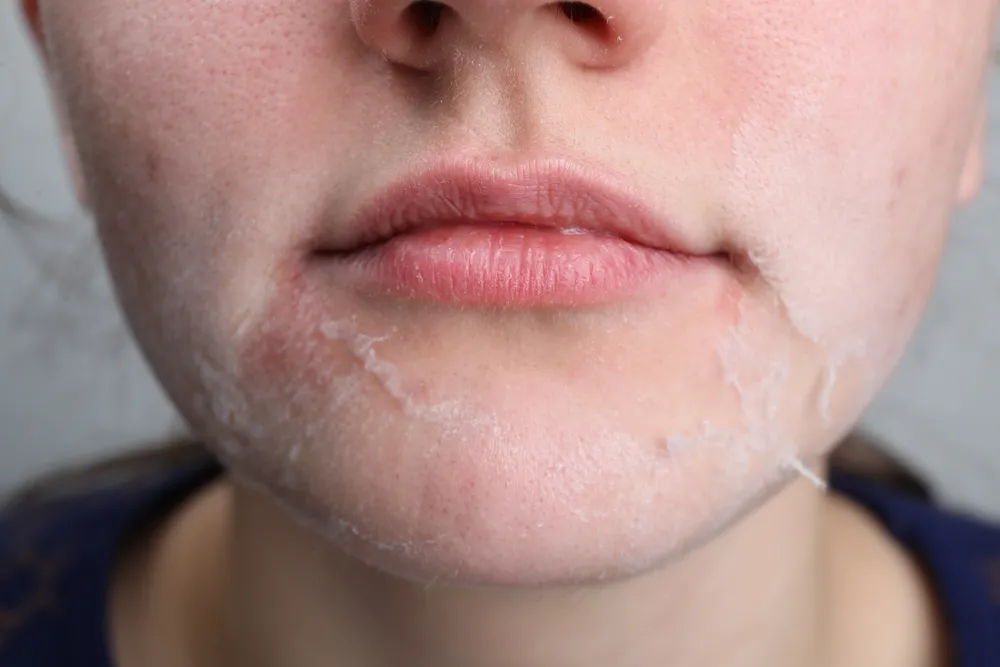
Healthy, smooth skin is a dream for many people. However, over time, the skin may be affected by various factors that influence its appearance, such as pollution, harmful sun exposure, hormonal changes, and other factors that may lead to pigmentation, wrinkles, or acne. In this context, chemical peeling has become one of the effective treatments that help restore skin radiance and freshness.
What is chemical peeling?
Chemical peeling is a cosmetic procedure that uses chemical substances to remove damaged outer layers of the skin and stimulate the skin to renew itself. Through this treatment, a chemical solution is applied to the skin, causing the dead and old layers to peel off, allowing new and healthy skin to emerge. Chemical peeling helps improve skin appearance, reduce wrinkles and pigmentation, and also reduce acne scars and blemishes.
Types of chemical peeling
There are several types of chemical peeling, and each type differs depending on the depth of its effect on the skin.
- Superficial chemical peeling: This is one of the simplest types of peeling, as it works on removing the outer layer of the skin. It is usually used to treat mild skin problems such as dryness or light pigmentation.
- Medium chemical peeling: This type of peeling reaches the middle layer of the skin and helps treat deeper wrinkles, pigmentation, and sun damage. It is used for more advanced cases than superficial peeling.
- Deep chemical peeling: This targets the deeper layers of the skin and is used for more advanced cases such as removing deep wrinkles, surgical scars, and some types of skin lesions. This type requires a longer healing period but delivers long-lasting and effective results.
Benefits of chemical peeling
Chemical peeling provides many cosmetic and therapeutic benefits for the skin.
- Improving skin appearance: Chemical peeling is one of the best ways to improve overall skin appearance. It helps reduce wrinkles and fine lines, giving the skin a more youthful and vibrant look.
- Reducing pigmentation and dark spots: Chemical peeling helps lighten the skin and reduce pigmentation that may result from acne or prolonged sun exposure. It also helps even out skin tone and remove dark spots that affect skin beauty.
- Treating acne and scars: Chemical peeling removes dead skin cells, helping prevent clogged pores that lead to acne. It also helps improve the appearance of acne scars.
- Stimulating cell renewal: By removing dead surface layers, chemical peeling enhances skin cell renewal and stimulates collagen production, the protein responsible for skin elasticity and health.
- Treating keratosis pilaris: Chemical peeling helps treat keratosis pilaris (when small bumps appear on the skin due to clogged pores) and makes the skin smoother.
How is chemical peeling performed?
Chemical peeling is performed by a professional aesthetic specialist or a dermatologist. First, the skin is thoroughly cleansed, then the chemical solution is applied to the target area. Depending on the type of peel, the solution may be left on the skin for a few minutes before being removed. After that, the person may feel some irritation or a burning sensation, but these symptoms are usually temporary.
Post-chemical peeling care tips
Following instructions after the session helps achieve the best results and reduces the likelihood of irritation.
- Sun protection: After chemical peeling, the skin becomes more sensitive to sunlight. Therefore, a high-SPF sunscreen (SPF 30 or higher) should be used to avoid skin irritation or new pigmentation.
- Continuous hydration: The skin needs good moisturizing after peeling to ensure proper healing. It is recommended to use gentle moisturizers to avoid dryness.
- Avoid rubbing the skin: It is essential to avoid rubbing or scratching the skin after peeling, as this may lead to irritation and increase the chance of sores or scars.
- Avoid makeup: After peeling, it is preferable to avoid applying makeup for a short period to prevent clogged pores or skin irritation.
Who can benefit from chemical peeling?
Chemical peeling is suitable for people who have superficial skin problems such as pigmentation, fine wrinkles, acne, or scars. However, it may not be suitable for people with very sensitive skin or those who have certain skin conditions such as eczema or rosacea. Therefore, it is important to consult a doctor or specialist before the procedure to ensure it is suitable for the skin.
Chemical peeling is an effective treatment that helps improve skin appearance and restore its radiance. Whether you are suffering from acne, wrinkles, or pigmentation, this technique can be the ideal solution for you. Make sure to consult a specialist before undergoing peeling and follow post-treatment instructions to ensure the best results and maintain healthy skin.
Related Topics
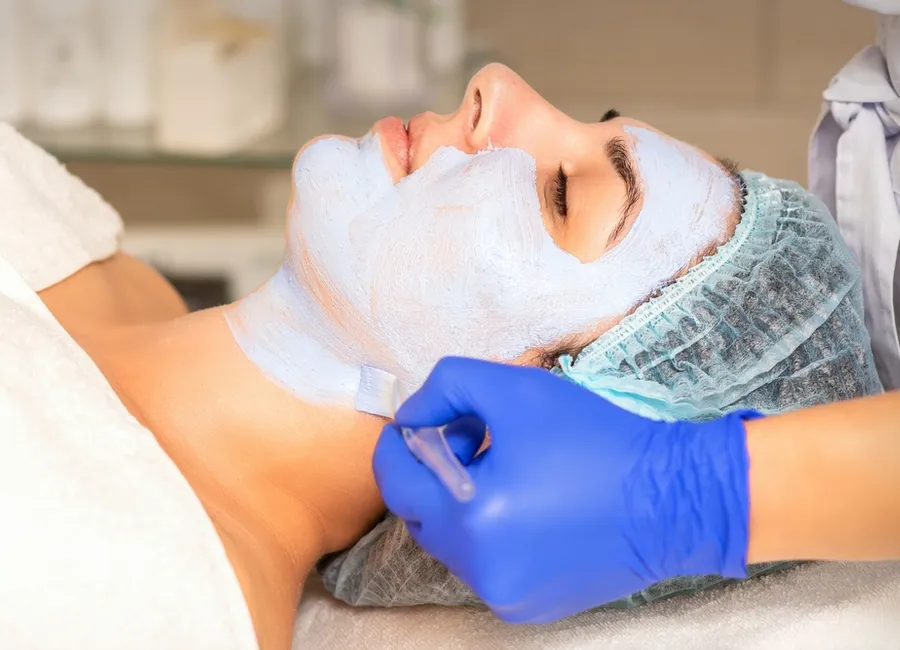
Skin Cleansing Treatment
Learn about professional skin cleansing treatments in clinics, their types, benefits, and post-care tips for healthy and radiant skin.
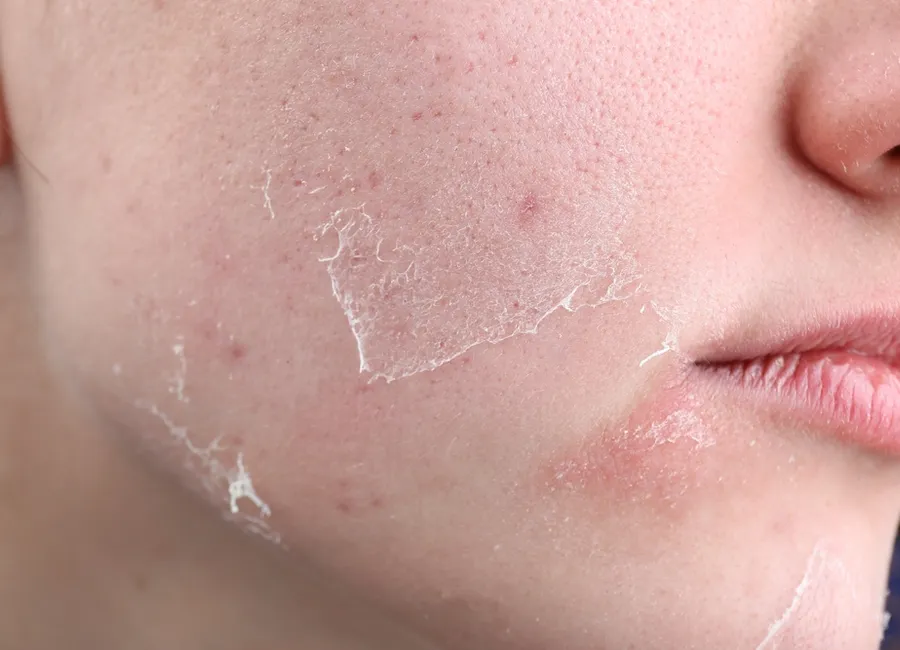
Cold peeling
Cold peeling is a modern cosmetic procedure that contributes to skin renewal and improves its appearance in a gentle and safe way compared to traditional peeling.
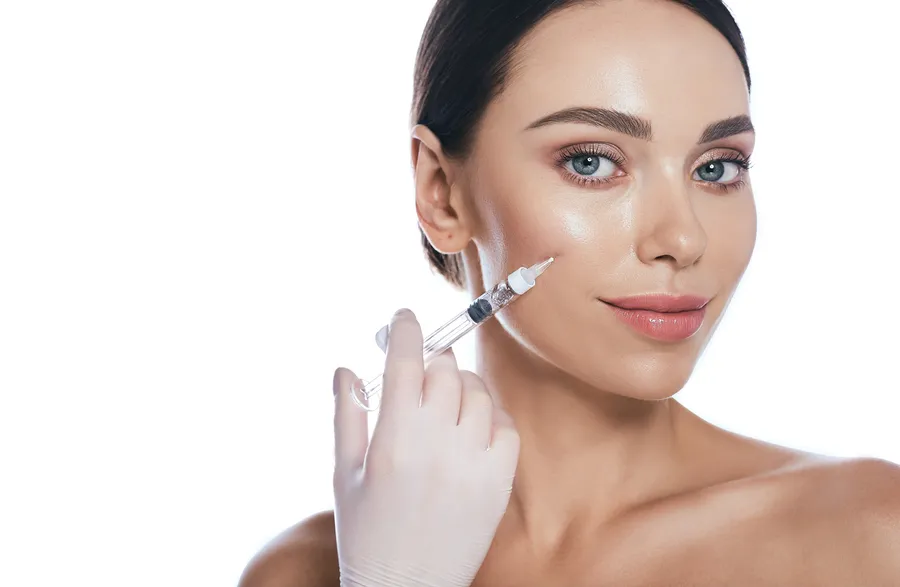
Freshness Needles (Meso-Filler)
Freshness needles (Meso-filler) are a non-surgical cosmetic technique that relies on injecting active substances like hyaluronic acid and vitamins to improve skin hydration, enhance radiance, and reduce signs of aging.
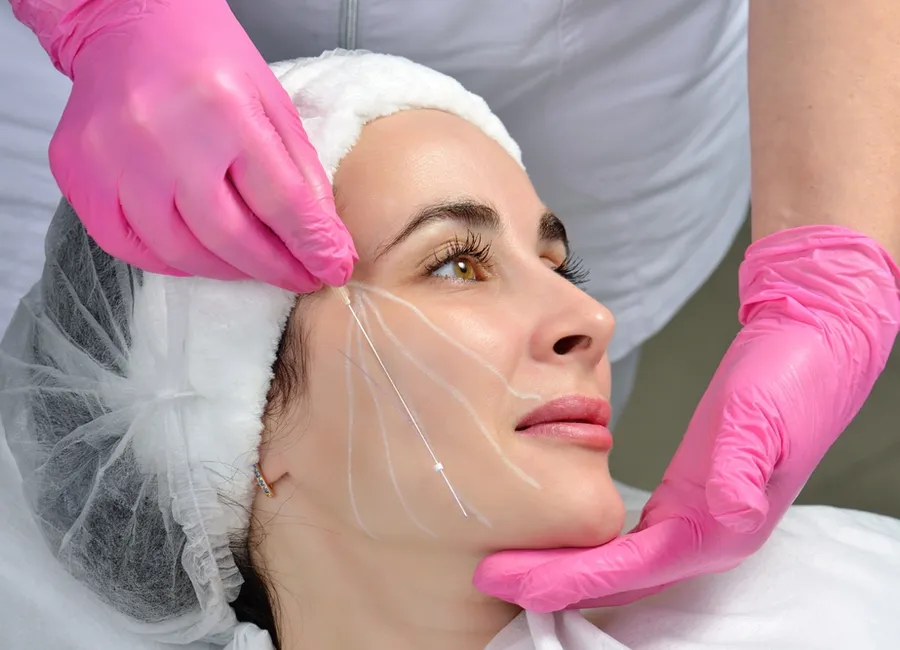
PDO Mono Threads
PDO Mono Threads are a non-surgical cosmetic treatment that helps tighten the skin and stimulate collagen and elastin production for a firmer, more youthful appearance.
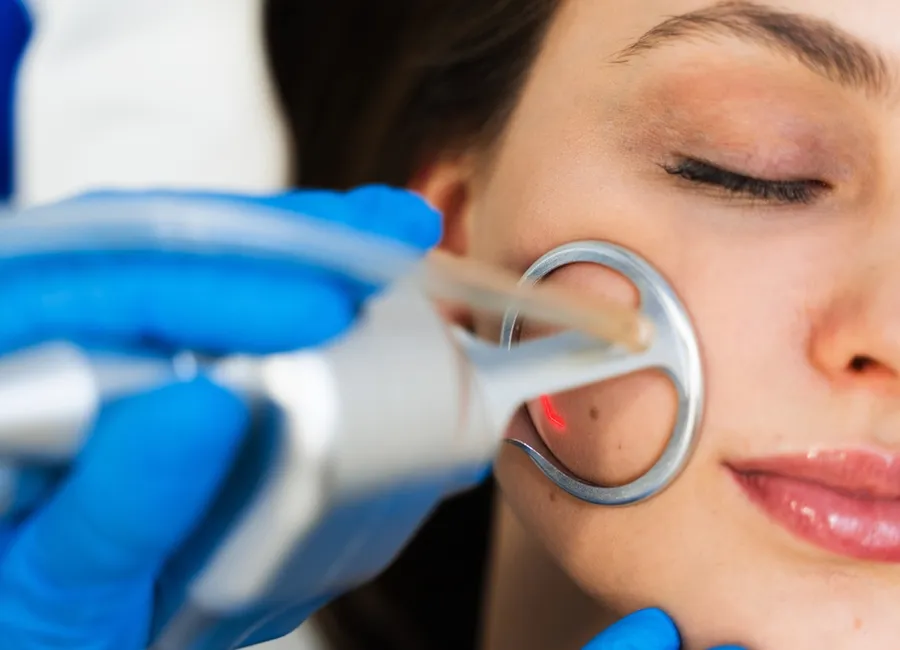
Fractional Laser
Fractional laser is a non-surgical cosmetic procedure that utilizes a laser beam divided into thousands of microscopic treatment zones to target specific areas of the skin.
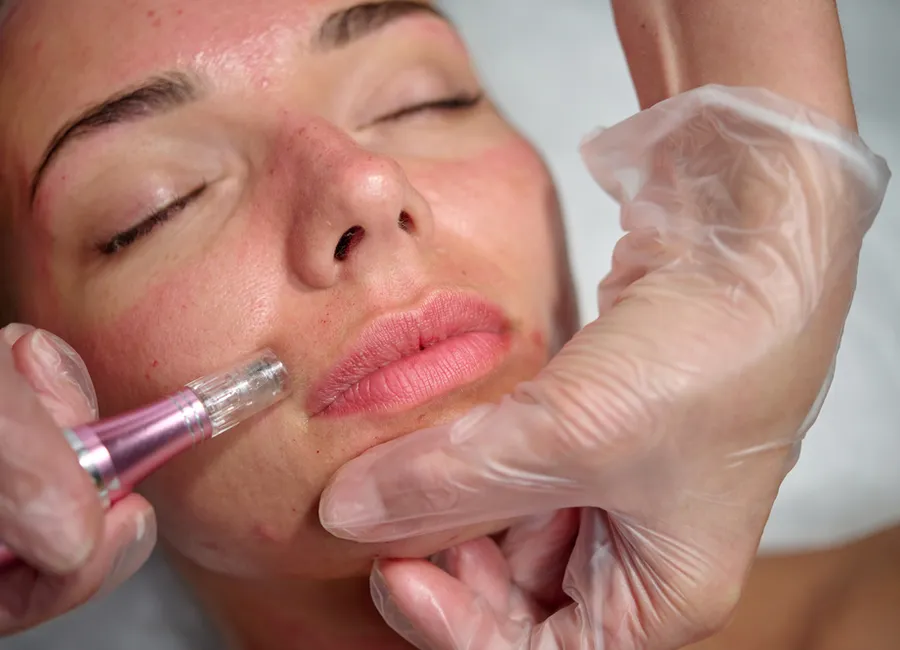
Microneedling
Microneedling is a non-surgical cosmetic procedure that relies on using a device containing very fine needles to create tiny micro-punctures in the top layer of the skin.