dermatology
Acne treatment: Effective ways to achieve healthy and clear skin
Acne is one of the most common skin problems that many people suffer from, especially during adolescence, and it can be treated in several effective medical and preventive ways.
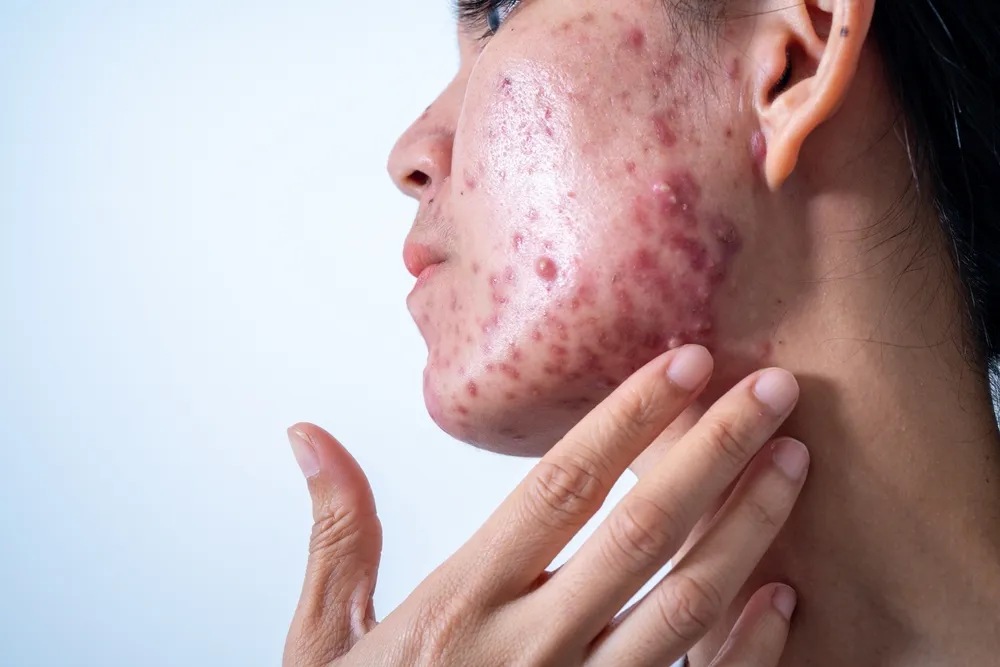
Acne is one of the most common skin problems that many people suffer from at different ages, especially during adolescence. Acne often appears due to clogged pores as a result of excess sebum secretions or the accumulation of dirt and bacteria. Although it is not a serious disease, acne can significantly affect the appearance of the skin, causing embarrassment and negative feelings. Fortunately, there are many effective ways to treat acne and maintain healthy, blemish-free skin.
1. Topical treatments
Topical medications are the first and most common choice for treating acne. These medications come in the form of creams or gels containing active ingredients such as benzoyl peroxide and salicylic acid. Benzoyl peroxide works to kill acne-causing bacteria and reduce inflammation, while salicylic acid helps to exfoliate dead skin cells and unclog pores.
2. Treatment with oral medications
In severe cases or those unresponsive to topical treatment, the doctor may recommend oral antibiotics such as tetracycline or doxycycline, or isotretinoin (Roaccutane) therapy, which significantly reduces sebum production and treats severe cases.
3. Laser therapy and phototherapy
Laser and phototherapy techniques help reduce the activity of sebaceous glands, which reduces oil secretion and limits pore blockage, and also contribute to improving the effects of acne and reducing scars.
4. Daily skincare
This includes washing your face twice a day with a gentle cleanser, and avoiding harsh products that contain alcohol or perfumes. Also, do not pick at pimples to avoid scarring, and use light, oil-free moisturizers to maintain skin balance.
5. Proper nutrition
Reducing sugars and saturated fats helps improve skin condition, while foods rich in omega-3, such as fish and nuts, as well as fruits and vegetables, contribute to reducing inflammation and improving skin health.
6. Natural remedies
Some natural remedies, such as tea tree oil and honey, can help reduce inflammation and improve the appearance of the skin thanks to their antibacterial properties.
7. Consult a doctor and follow up
In severe cases or when scars are present, it is important to consult a dermatologist to determine the appropriate treatment and ongoing follow-up to ensure the best results.
Related Topics
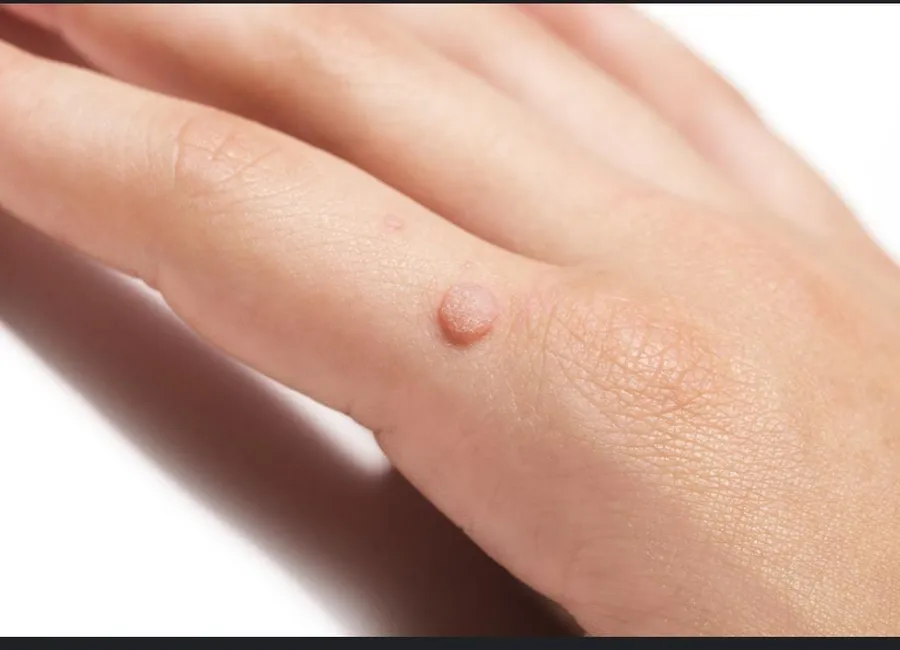
Wart Removal Techniques
Warts are common skin concerns that many people experience at different stages of life. There are several modern techniques that help remove them effectively and safely.
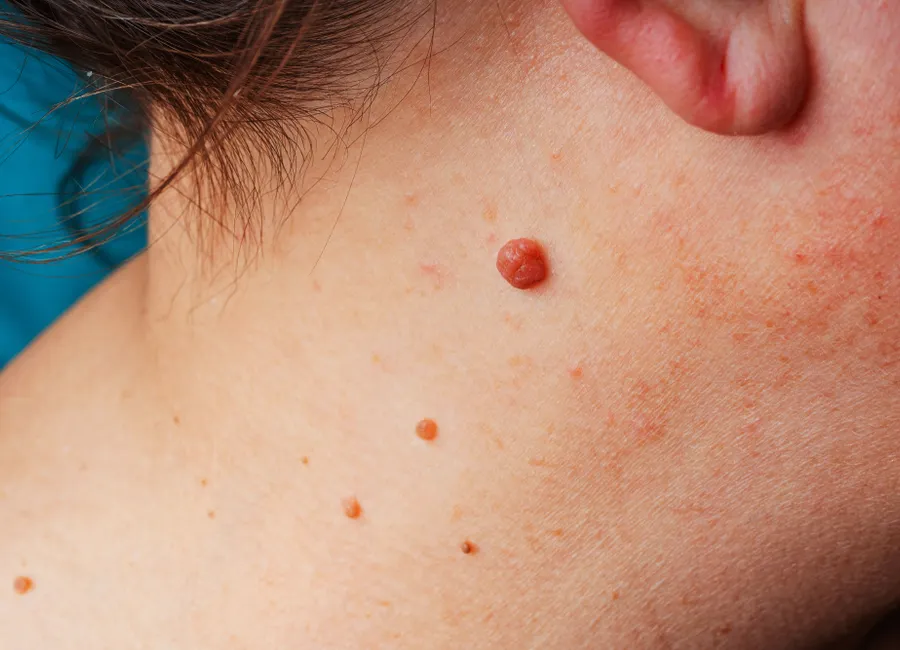
Skin Tag Removal Techniques
Skin tags are usually painless but can cause cosmetic concerns or irritation from constant friction. Modern techniques offer safe and effective options for removing them.
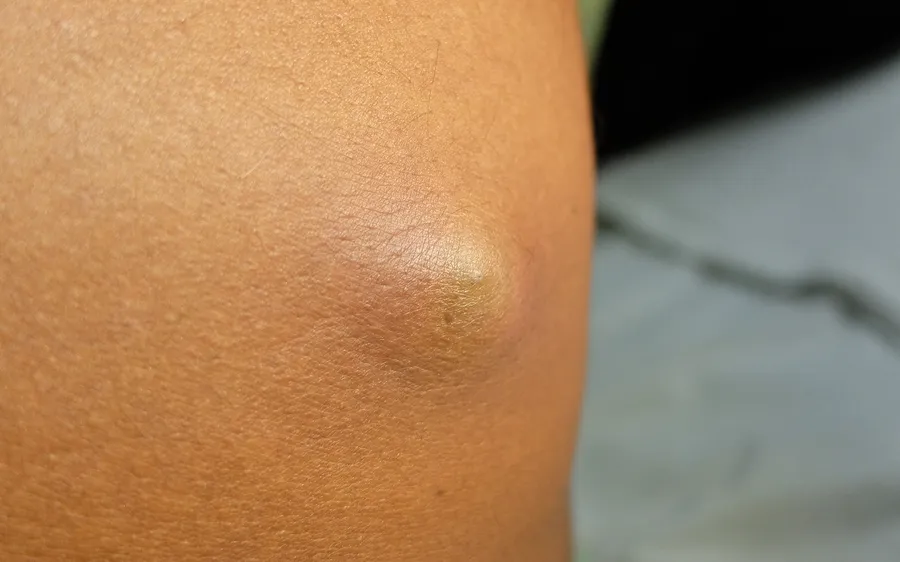
Sebaceous Cyst Removal
Sebaceous cysts are a common condition that appears beneath the skin and may cause cosmetic concerns. Today, several effective techniques are available to remove them safely.
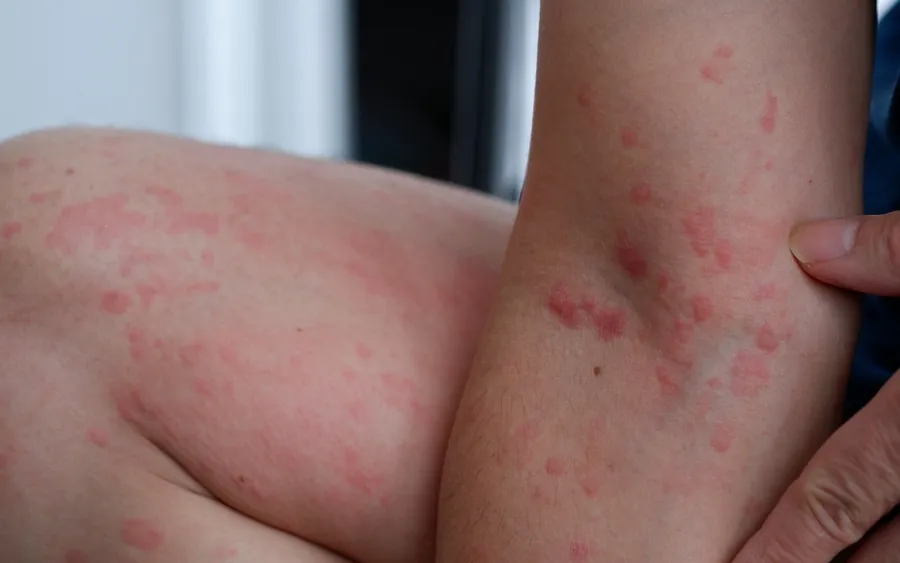
The Journey to Healing from Eczema
Eczema is a chronic skin condition that requires ongoing care and a comprehensive treatment plan including moisturization, medical treatment, and lifestyle management.
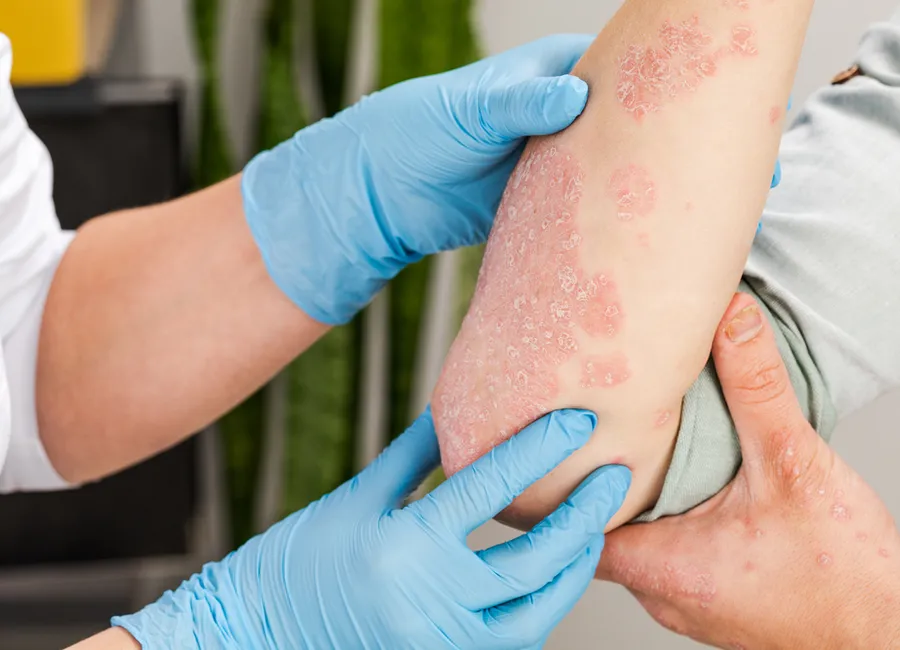
Psoriasis Treatment
Psoriasis is a chronic skin condition that requires a range of treatments, including ultraviolet light therapy, topical creams, and modern biologic therapies.
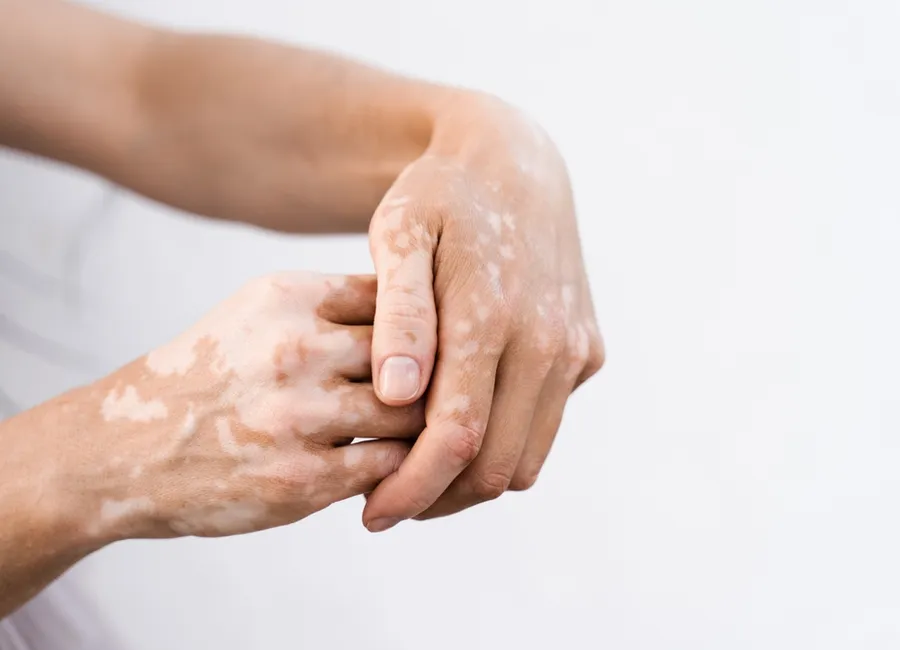
Vitiligo Treatment Techniques: Restoring Beauty and Self-Confidence
Vitiligo is a skin disorder caused by the loss of melanin, the pigment responsible for skin color, in certain areas of the skin.