dermatology
Skin Fungus (Dermatophytosis)
Skin fungus is a type of infection that affects the skin, causing bothersome issues ranging from itching and redness to peeling and blister formation.
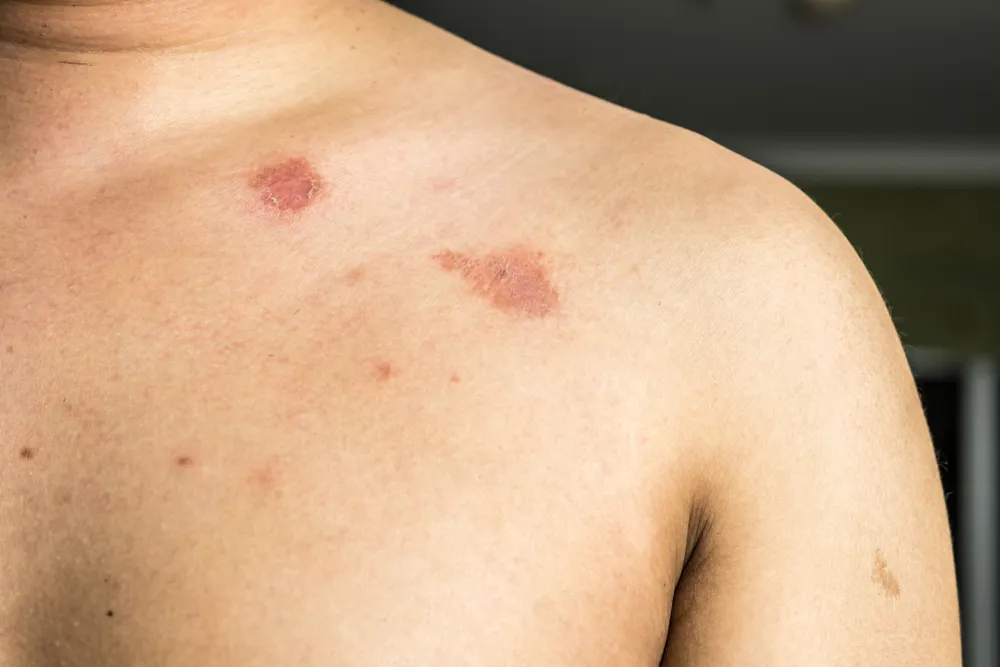
Skin fungus is a type of infection that affects the skin, causing bothersome issues ranging from itching and redness to peeling and blister formation. These fungi may appear on different parts of the body, such as the feet (athlete's foot), nails, scalp, or moist areas like the underarms. Although skin fungal infections are usually not serious, they can cause embarrassment and discomfort in some cases. Fortunately, modern medicine and treatments offer highly effective ways to eliminate them and restore skin health.
1. Topical Treatments
Topical treatments are the primary option for managing skin fungus, as they are applied directly to the affected areas to accelerate recovery. These topical therapies include antifungal ointments and creams—such as Terbinafine, Miconazole, or Ketoconazole—which help eradicate the fungus and alleviate symptoms like itching and redness. It is generally recommended to apply these medications regularly to the affected area, continuing treatment even after symptoms disappear to ensure complete eradication of the fungus and prevent its recurrence.
2. Oral Medications
In certain cases where the infection is severe or affects large areas of the skin or nails, the patient may need to take oral medications. Fluconazole and Itraconazole are among the most prominent oral drugs used to treat skin fungus. These medications work systematically to eliminate the fungus from within and prevent its replication, leading to rapid and effective healing. These systemic drugs are typically prescribed in cases that do not respond to topical therapy or for chronic infections.
3. Skin Care and Prevention
Personal hygiene and proper skin care are among the most vital ways to prevent skin fungal infections. It is recommended to wash the body regularly using an antifungal or antibacterial soap, particularly in areas prone to moisture and friction, such as the feet, underarms, and groin. It is also essential to dry the skin thoroughly after showering or swimming, as fungi thrive rapidly in warm, damp environments. Additionally, breathable cotton clothing should be worn to reduce excessive sweating. Avoid wearing tight or damp clothing for extended periods, as this increases the likelihood of fungal growth. Socks and undergarments should be changed frequently, especially in hot weather.
If home remedies or topical treatments show no signs of improvement after a period of time, or if the infection affects sensitive areas of the body such as the face or genitals, it is crucial to consult a doctor. Specialized medical treatment may be required, or a healthcare provider may need to perform precise diagnostic laboratory tests to confirm the exact type of fungus causing the infection and determine the most appropriate targeted therapy.
Related Topics
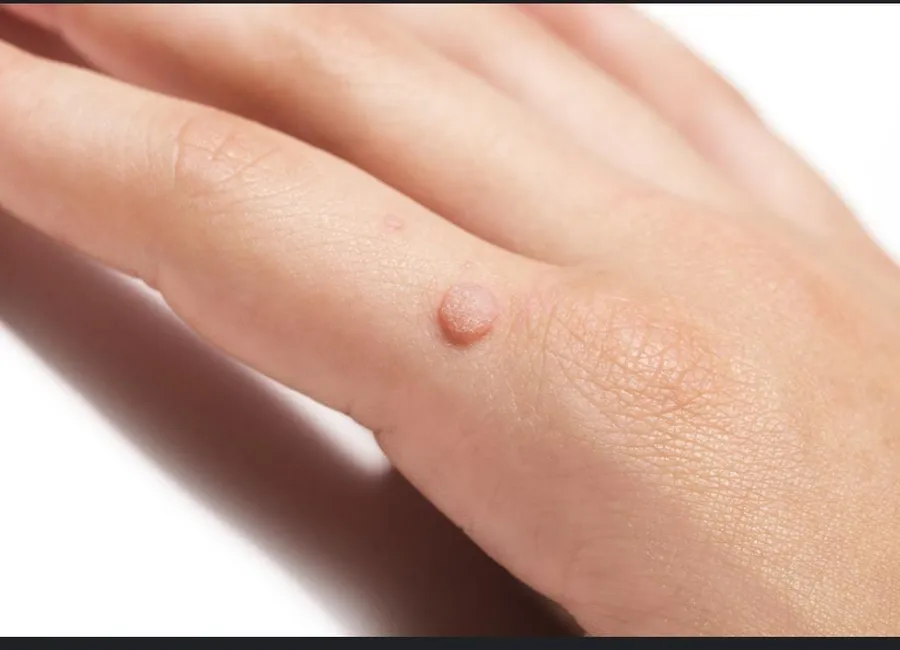
Wart Removal Techniques
Warts are common skin concerns that many people experience at different stages of life. There are several modern techniques that help remove them effectively and safely.
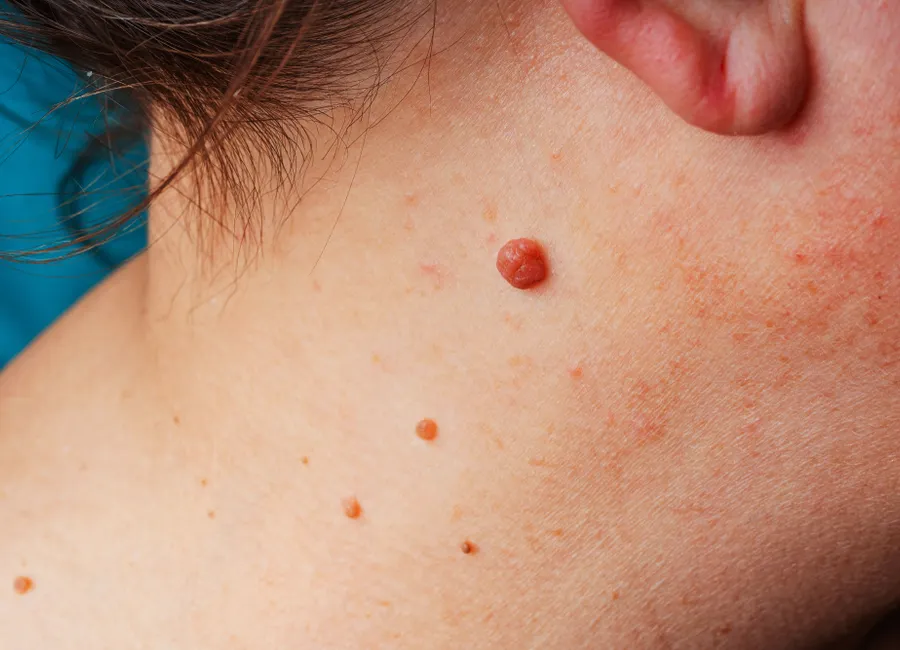
Skin Tag Removal Techniques
Skin tags are usually painless but can cause cosmetic concerns or irritation from constant friction. Modern techniques offer safe and effective options for removing them.
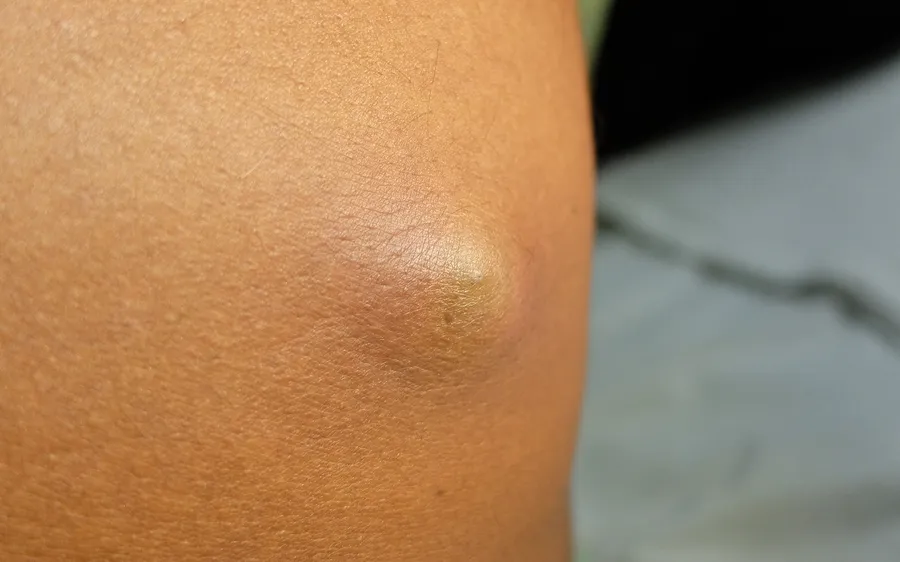
Sebaceous Cyst Removal
Sebaceous cysts are a common condition that appears beneath the skin and may cause cosmetic concerns. Today, several effective techniques are available to remove them safely.
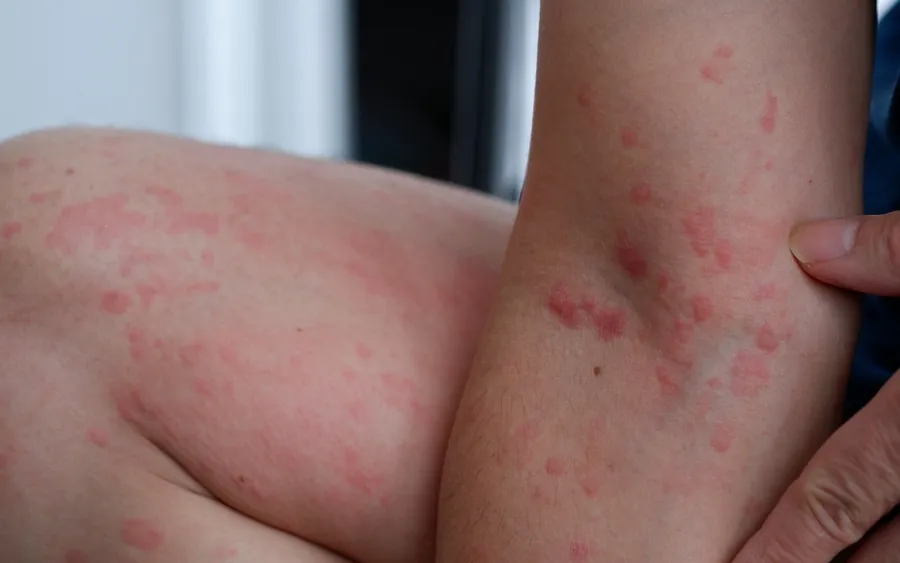
The Journey to Healing from Eczema
Eczema is a chronic skin condition that requires ongoing care and a comprehensive treatment plan including moisturization, medical treatment, and lifestyle management.
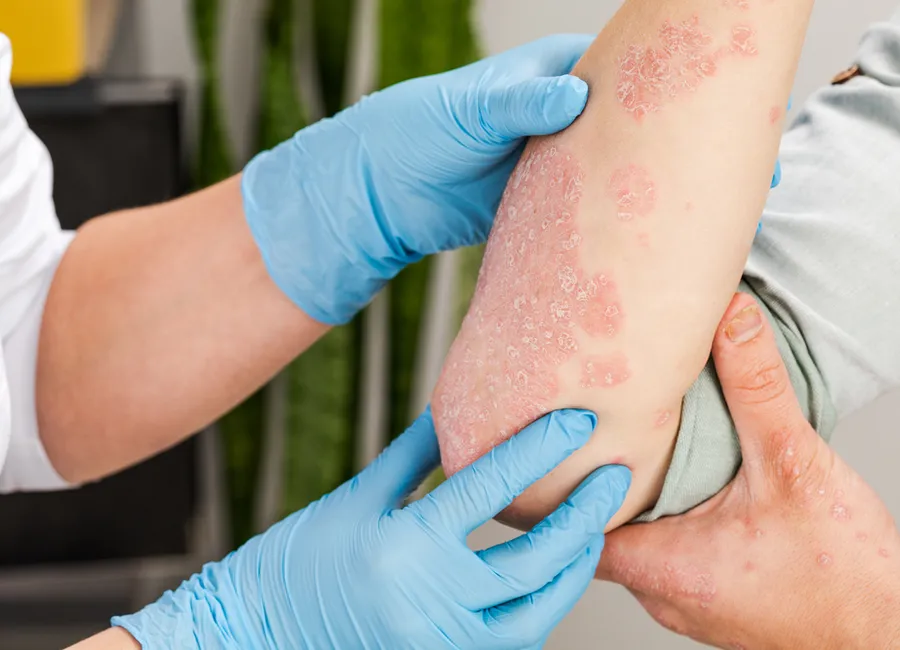
Psoriasis Treatment
Psoriasis is a chronic skin condition that requires a range of treatments, including ultraviolet light therapy, topical creams, and modern biologic therapies.
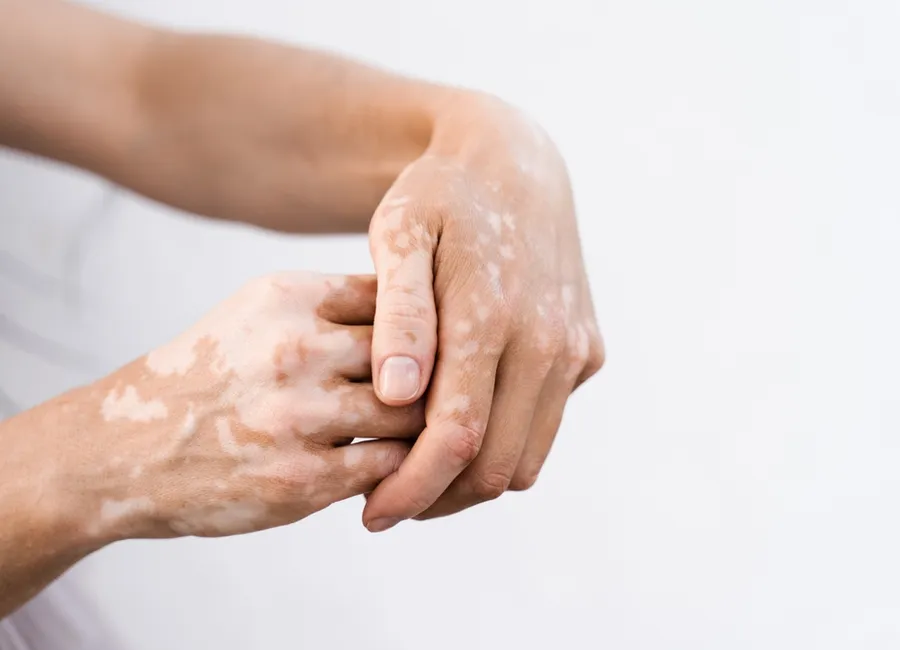
Vitiligo Treatment Techniques: Restoring Beauty and Self-Confidence
Vitiligo is a skin disorder caused by the loss of melanin, the pigment responsible for skin color, in certain areas of the skin.