dermatology
Impetigo
Impetigo is an irritating skin infection that causes pus-filled sores due to Staphylococcus or Streptococcus bacteria.
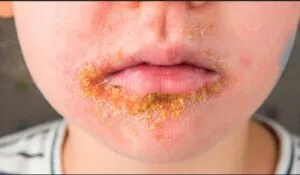
Impetigo is an irritating skin infection that affects many people across different age groups. It causes pus-filled sores and is usually caused by bacteria such as Staphylococcus or Streptococcus. Although it often appears on the face or around the mouth, it can affect any part of the body. While impetigo is not usually a serious disease, it can cause discomfort and affect aesthetic appearance. Fortunately, medical treatment is highly effective in eliminating this skin infection and restoring the skin’s health and appearance.
1. Antibiotic treatment:
The primary step in treating impetigo is the use of antibiotics. These medications work by eliminating the bacteria causing the infection and are considered the most effective treatment. A doctor may prescribe topical antibiotics such as creams or ointments containing antibacterial agents (such as chlorhexidine or fusidic acid) applied directly to the sores. In more severe cases or when larger areas of the skin are affected, oral antibiotics such as amoxicillin or cephalosporins may be recommended. These medications are taken for a specified period to combat the infection and prevent its spread.
2. Skin care and rest:
Proper skin care helps speed up the healing process. Scratching or rubbing the blisters or sores should be avoided, as this may spread the infection and worsen the condition. Keeping the affected area clean is essential; wounds can be gently washed with water and antibacterial soap, then carefully dried. Wearing clean, loose-fitting clothing that allows the skin to breathe helps avoid irritation. Rest and stress reduction also play an important role in recovery.
3. Preventive measures to avoid infection spread:
Since impetigo is highly contagious, preventive measures are necessary to protect others and prevent the spread of infection. Hands should be washed thoroughly after touching the infected area or changing bandages. Personal items such as towels, hairbrushes, or shaving tools should not be shared. Wounds should also be covered to avoid direct contact with others.
4. Treatment of impetigo in children:
Impetigo is especially common in children due to their weaker immune systems and higher exposure to bacteria. If sores appear on a child’s face or around the mouth, a doctor should be consulted immediately. The doctor may recommend antibacterial creams for children or oral medications in more severe cases. In young children, signs of infection such as fever or swollen lymph nodes should be monitored closely, and medical attention should be sought promptly if they occur.
5. Supportive home remedies:
While antibiotics are the primary treatment for impetigo, some home remedies may help relieve symptoms and reduce pain or swelling. For example, warm compresses can be applied to the affected areas to soothe inflammation and speed healing. Tea tree oil or raw honey may also help reduce discomfort and calm the skin in some cases, but it is always recommended to consult a doctor before trying natural remedies to ensure their safety and effectiveness.
6. Monitoring progression and seeking medical care when needed:
In most cases, impetigo begins to improve after starting antibiotic treatment, and sores typically heal within one to two weeks. However, if the condition does not improve or if the infection becomes severe or is accompanied by fever or swollen lymph nodes, a doctor should be contacted immediately. In rare cases, impetigo may lead to complications such as deeper infections or inflammation of the underlying skin tissues, making continuous monitoring important.
Related Topics
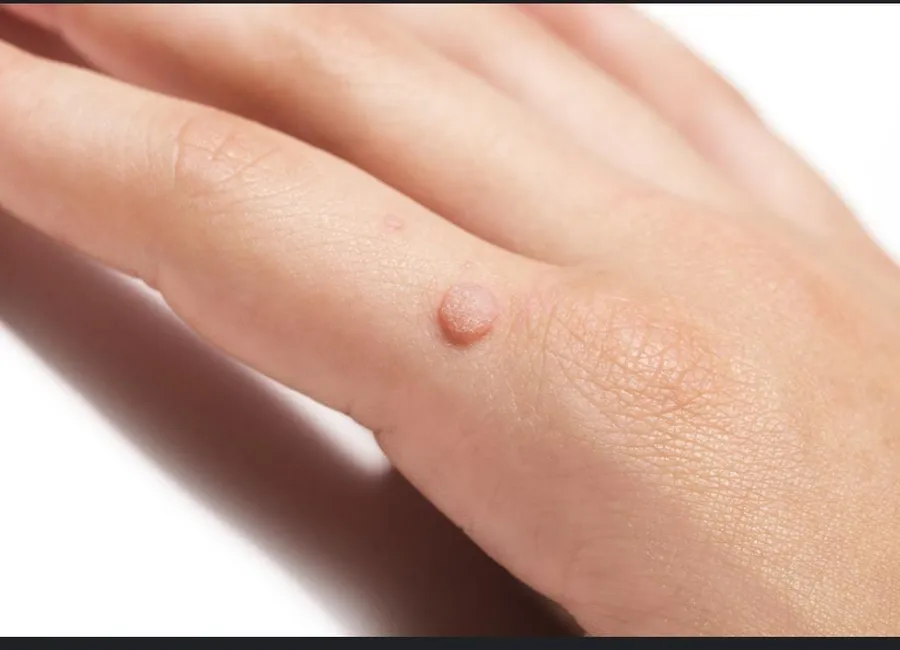
Wart Removal Techniques
Warts are common skin concerns that many people experience at different stages of life. There are several modern techniques that help remove them effectively and safely.
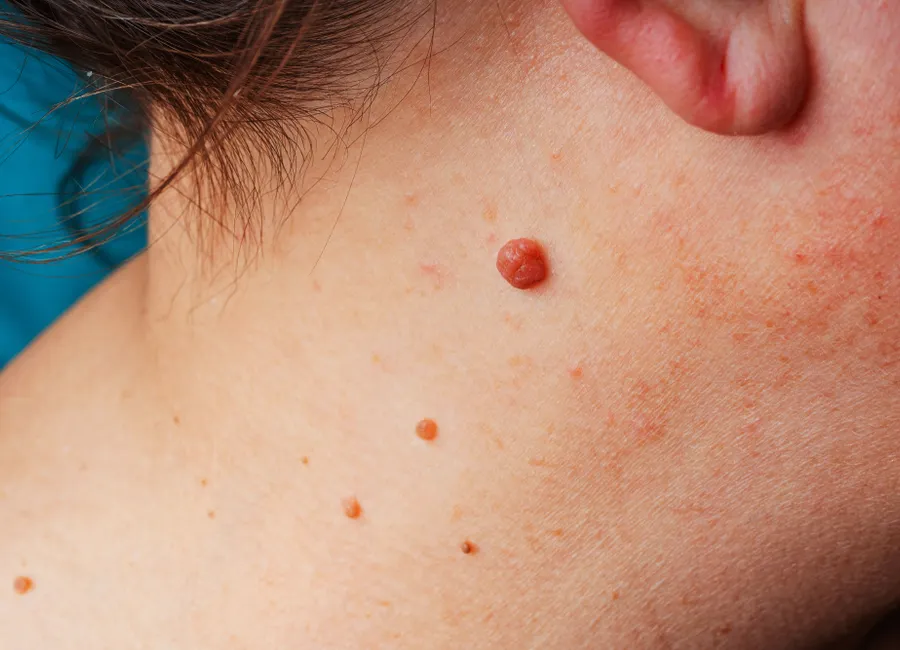
Skin Tag Removal Techniques
Skin tags are usually painless but can cause cosmetic concerns or irritation from constant friction. Modern techniques offer safe and effective options for removing them.
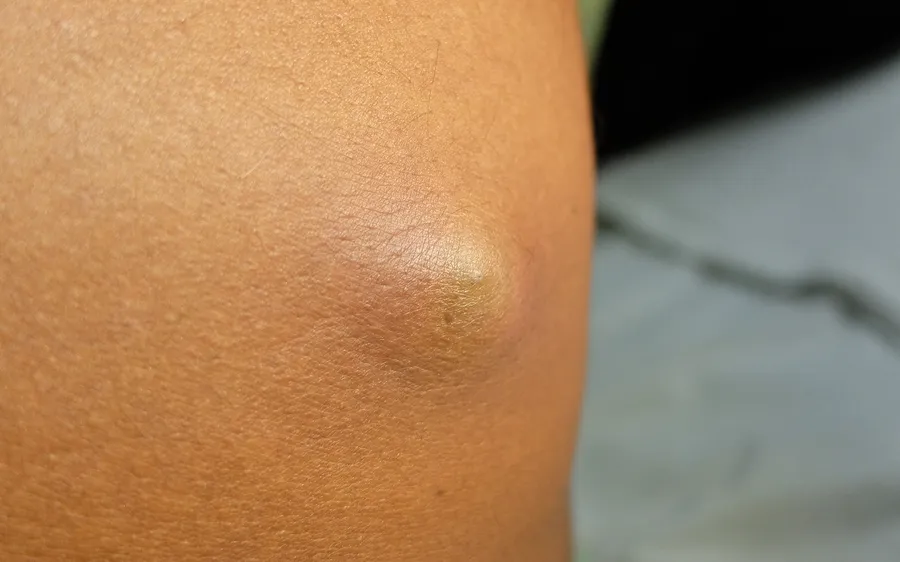
Sebaceous Cyst Removal
Sebaceous cysts are a common condition that appears beneath the skin and may cause cosmetic concerns. Today, several effective techniques are available to remove them safely.
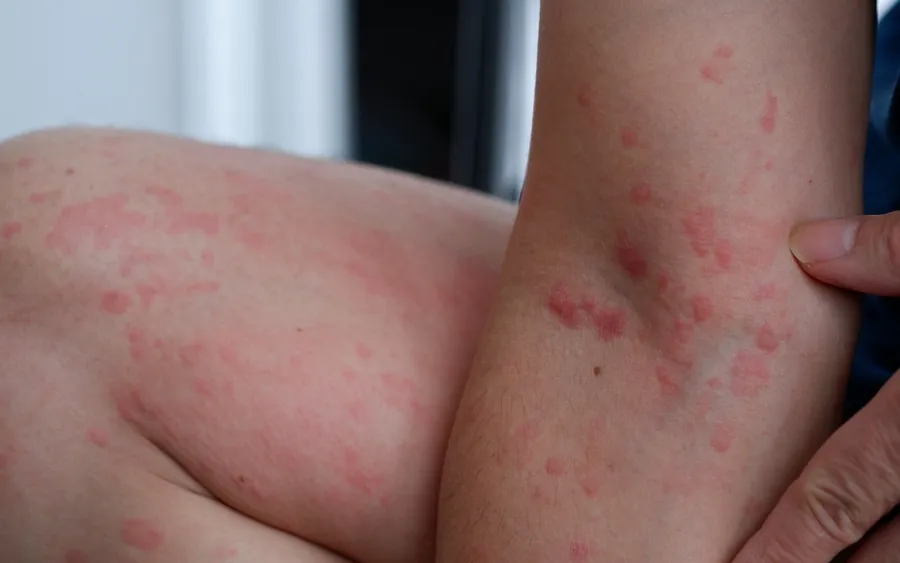
The Journey to Healing from Eczema
Eczema is a chronic skin condition that requires ongoing care and a comprehensive treatment plan including moisturization, medical treatment, and lifestyle management.
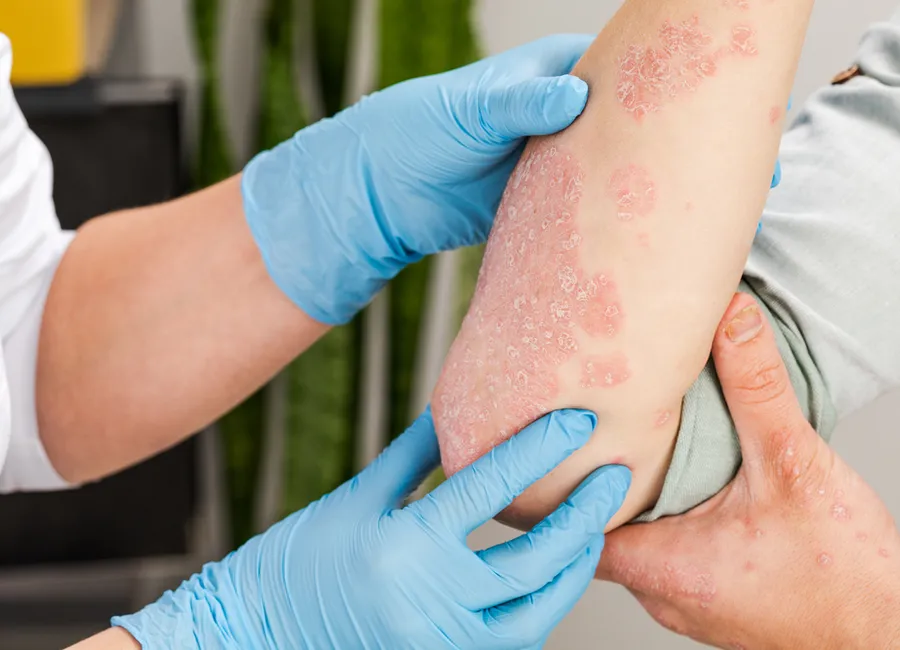
Psoriasis Treatment
Psoriasis is a chronic skin condition that requires a range of treatments, including ultraviolet light therapy, topical creams, and modern biologic therapies.
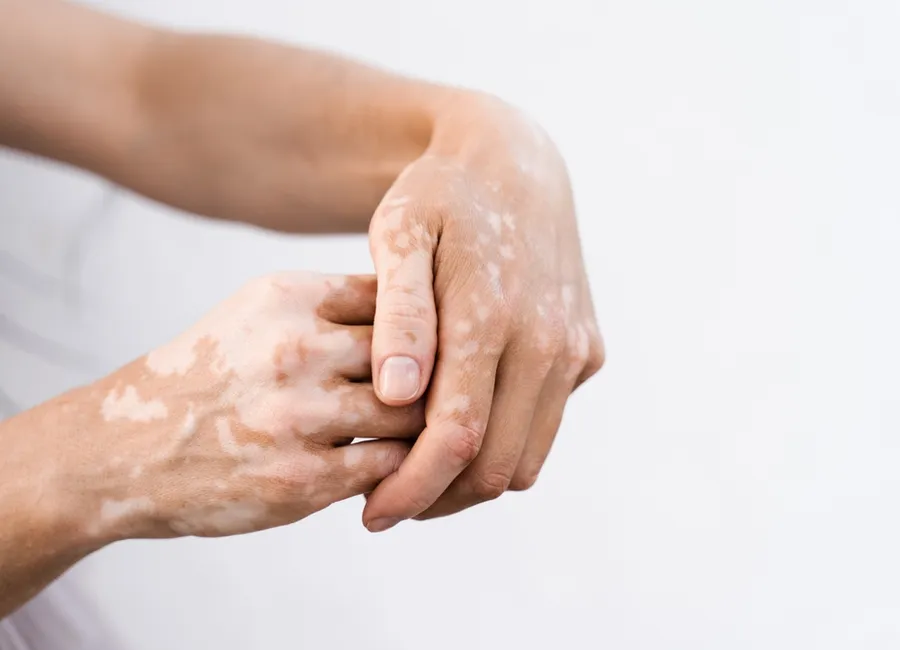
Vitiligo Treatment Techniques: Restoring Beauty and Self-Confidence
Vitiligo is a skin disorder caused by the loss of melanin, the pigment responsible for skin color, in certain areas of the skin.