dermatology
Treatment for pityriasis alba: Steps towards clear and radiant skin
Pityriasis alba is a common skin condition that mostly affects children and adolescents, and appears as flat or semi-round white patches on the skin, often on the face, arms, or upper body.

Pityriasis alba is a common skin condition that mostly affects children and adolescents. It appears as flat or semi-round white patches on the skin, often on the face, arms, or upper body. Although it is not a serious disease, pityriasis alba can be aesthetically bothersome, as it causes a change in skin color. However, with proper treatment, the condition can be controlled, and healthy, radiant skin can be restored.
1. Skin care using moisturizers
One of the main factors that contribute to the occurrence of pityriasis alba is dry skin, so using skin moisturizers is one of the most important steps in treatment. Moisturizers help to keep the skin hydrated and prevent it from drying out, which helps to reduce the appearance of white spots. It is preferable to use light moisturizers that contain natural ingredients such as hyaluronic acid or glycerin. These moisturizers can be used immediately after showering, as the wet skin absorbs the cream better.
2. Treatment with topical creams
In severe cases of pityriasis alba, the doctor may recommend the use of topical creams containing mild corticosteroids. These creams help to reduce inflammation and eliminate dryness that increases the visibility of the white patches. It is important to use the creams under the supervision of the doctor to avoid any side effects, such as skin thinning or irritation.
3. Vitamin and supplement therapy
A deficiency in certain vitamins can be a cause of pityriasis alba, so vitamin supplements may help improve the condition. Vitamin D is believed to play an important role in skin health, as it helps in skin cell regeneration and reducing irritation. It is advisable to consult a doctor before starting any supplements, as taking excessive doses can cause side effects.
4. Avoid irritants
It is essential for people with pityriasis alba to avoid factors that may irritate the skin and worsen the condition. These factors include prolonged direct sun exposure, as UV exposure can increase dryness and cause larger white patches. It is best to use a sunscreen with a high sun protection factor (SPF 30 or higher) daily, even on cloudy days. It is also advisable to avoid using skincare products that contain perfumes or chemicals that may irritate the skin.
5. Laser therapy
If pityriasis alba significantly affects appearance or does not improve after using topical treatments, laser therapy can be considered. Laser therapy helps promote skin cell regeneration and stimulate melanin production, the substance responsible for skin color. This treatment can be effective in unifying skin tone and improving the appearance of white spots. However, a specialist should be consulted to determine if this treatment is appropriate for the case.
6. Proper nutrition
Proper nutrition plays a major role in skin health. It is recommended to eat foods rich in antioxidants such as fruits and vegetables, especially those containing vitamin C and vitamin E, as these vitamins work to regenerate skin cells and fight inflammation. Omega-3 fatty acids, found in fish and nuts, also contribute to maintaining skin hydration and health.
7. Personal care and comfort
Besides medical treatments, personal care is an important factor in treating pityriasis alba. It is best to avoid stress and anxiety, as psychological stress can affect skin health and worsen the condition. Getting enough sleep also helps to regenerate skin cells, which contributes to accelerating recovery from pityriasis alba.
8. Consult a doctor and follow up
If pityriasis alba does not disappear or the symptoms worsen, it is advisable to consult a doctor periodically. Some adjustments to the treatment may be required depending on the patient's condition, and it is important to monitor the progression of the condition and adhere to the prescribed treatment. In some cases, pityriasis alba may be associated with another medical condition, so a medical evaluation helps in reaching an accurate diagnosis and determining the most appropriate treatment.
Pityriasis alba is not a serious condition, but it can be bothersome for those who suffer from it, especially when it comes to the cosmetic aspect. By following the appropriate treatments and good personal care, the condition can be greatly improved, and healthy and radiant skin can be restored. Do not hesitate to consult a specialist doctor if you suspect that you have pityriasis alba to get the best treatment and enjoy clear and radiant skin.
Related Topics
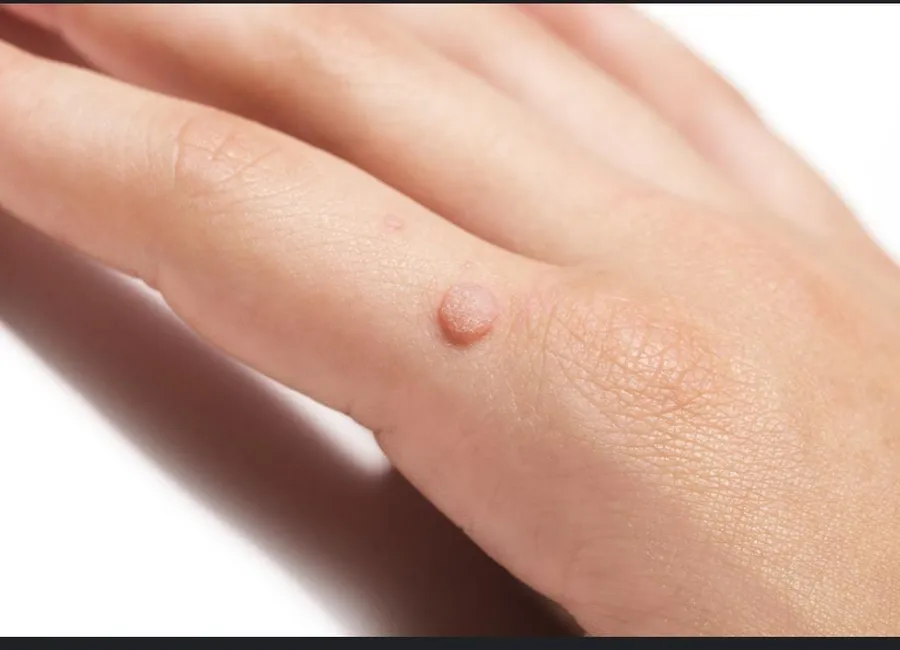
Wart Removal Techniques
Warts are common skin concerns that many people experience at different stages of life. There are several modern techniques that help remove them effectively and safely.
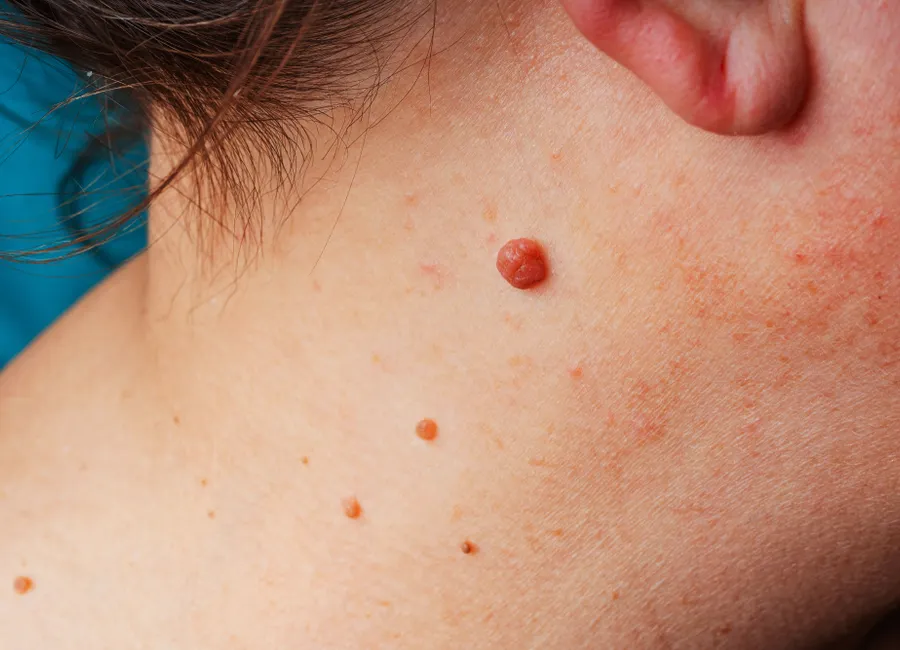
Skin Tag Removal Techniques
Skin tags are usually painless but can cause cosmetic concerns or irritation from constant friction. Modern techniques offer safe and effective options for removing them.
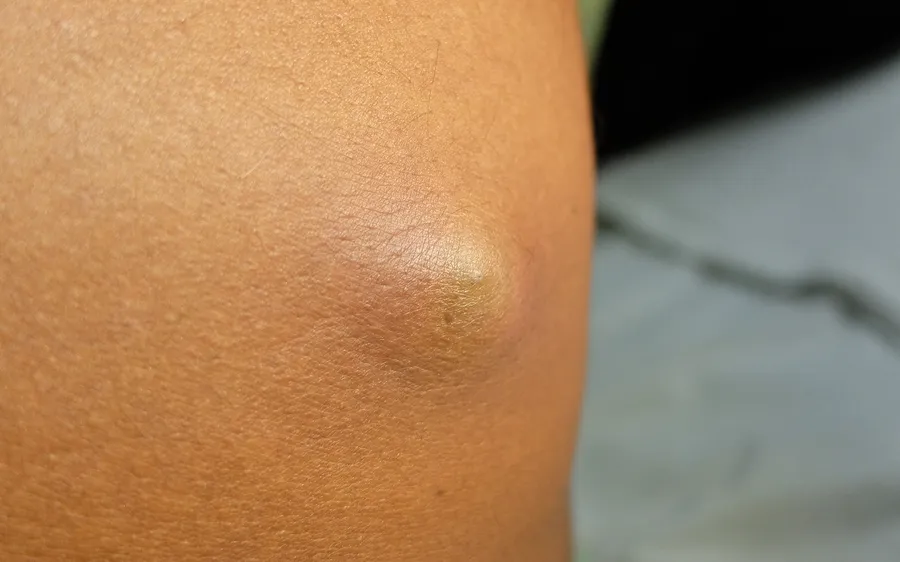
Sebaceous Cyst Removal
Sebaceous cysts are a common condition that appears beneath the skin and may cause cosmetic concerns. Today, several effective techniques are available to remove them safely.
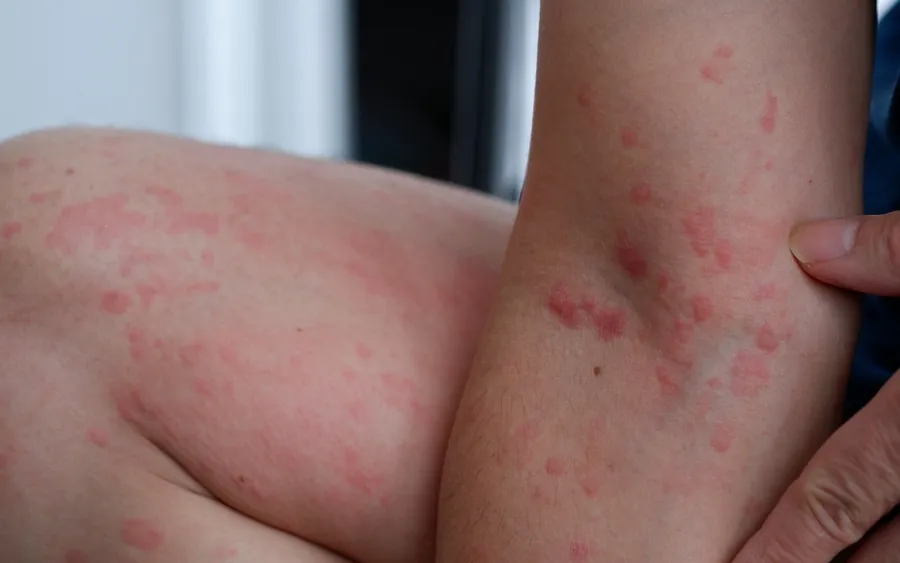
The Journey to Healing from Eczema
Eczema is a chronic skin condition that requires ongoing care and a comprehensive treatment plan including moisturization, medical treatment, and lifestyle management.
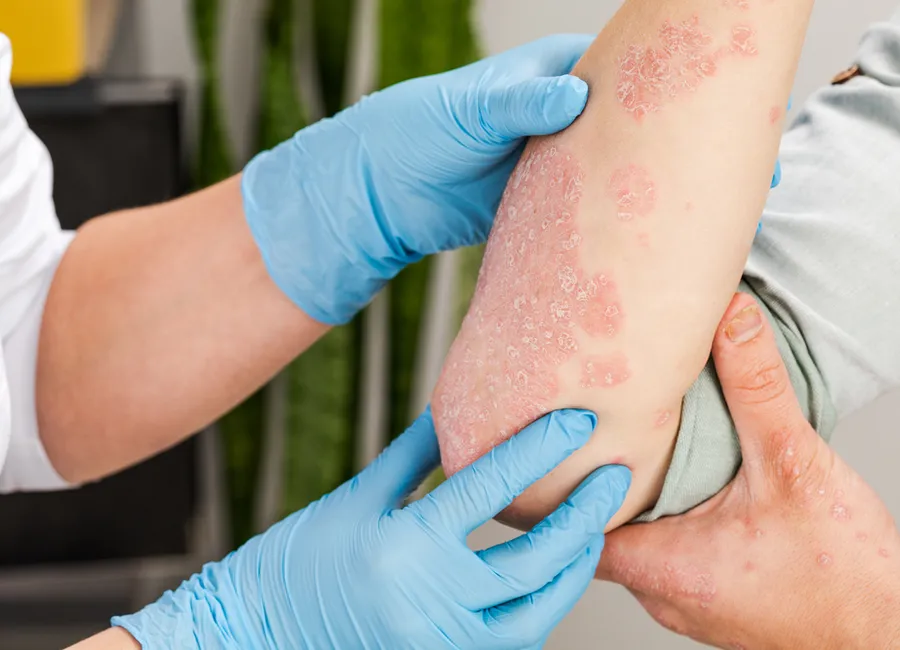
Psoriasis Treatment
Psoriasis is a chronic skin condition that requires a range of treatments, including ultraviolet light therapy, topical creams, and modern biologic therapies.
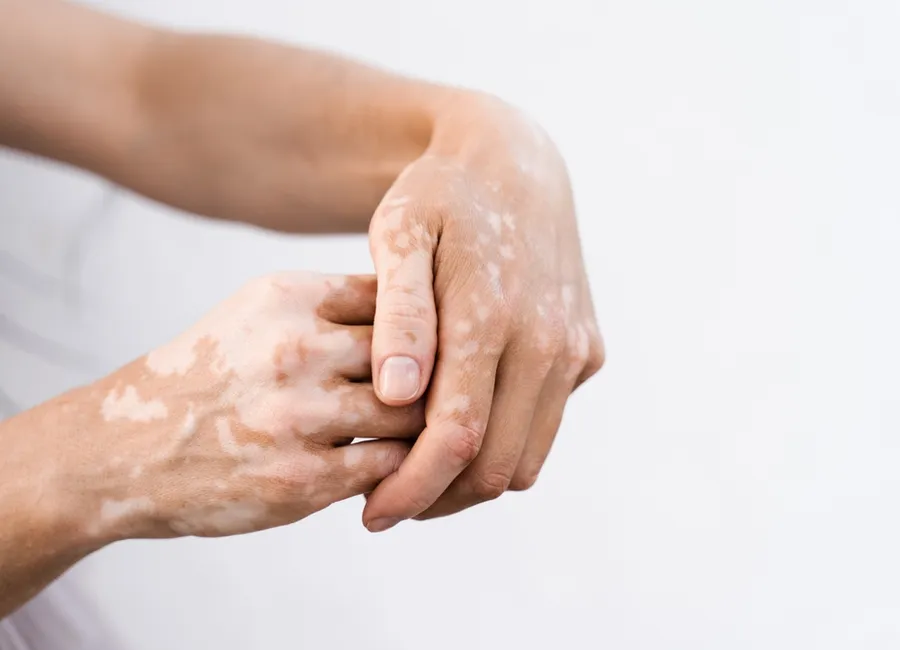
Vitiligo Treatment Techniques: Restoring Beauty and Self-Confidence
Vitiligo is a skin disorder caused by the loss of melanin, the pigment responsible for skin color, in certain areas of the skin.