dermatology
Pityriasis rosea
Pityriasis rosea is an uncommon but usually benign skin condition that appears as pink or red patches on the skin and disappears spontaneously within weeks.
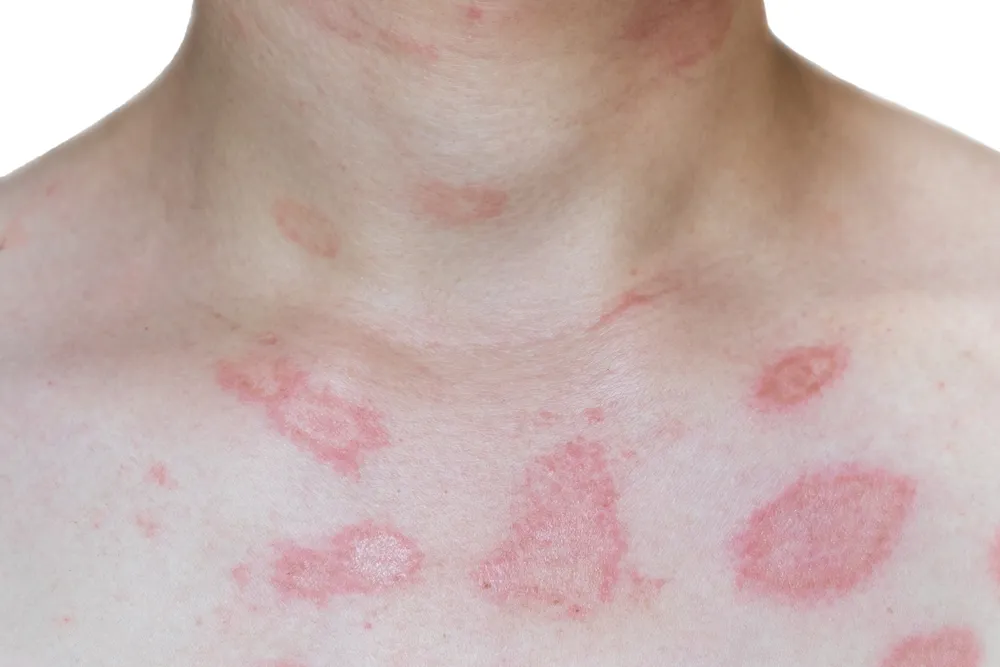
Pityriasis rosea is an uncommon skin condition that may seem strange or bothersome to some, but it is often benign and disappears spontaneously after a short period. This condition is characterized by the appearance of pink or red patches on the skin, usually starting with a large ring in the middle of the back or chest, followed by smaller patches appearing in other areas of the body. Although pityriasis rosea is not contagious and does not require serious treatment, it can cause embarrassment for those who have it. For this reason, knowing how to treat it is crucial to restoring skin comfort and achieving a quick recovery.
1. Rest and wait:
In many cases, treating pityriasis rosea requires nothing more than rest and managing the symptoms comfortably. Many of our doctors may choose to follow a 'wait-and-see' approach, which allows the patient time to recover naturally. Pityriasis rosea usually lasts 6 to 8 weeks and clears up on its own. The doctor may recommend keeping the skin dry and rested, and avoiding factors that may increase irritation, such as high temperatures or excessive sun exposure.
2. Topical treatments:
Using certain creams or topical medications may help relieve bothersome symptoms such as itching and redness. For example, creams containing corticosteroids can help reduce inflammation and soothe the skin. However, it is important that these creams be used as directed by a doctor, as they may cause side effects if used excessively or incorrectly.
3. Treatment with antifungal ointments:
The doctor may prescribe some antifungal ointments or creams in cases of pityriasis rosea that may be caused by a type of fungus. These treatments can help reduce symptoms and speed up healing. An antifungal shampoo may also be recommended if the infection extends to the scalp.
4. Oral medications:
In cases of severe or persistent pityriasis rosea, a doctor may recommend oral medications. Among the medications used are antibiotics such as erythromycin or antifungal drugs, which may help reduce inflammation and stimulate the healing process. These treatments are usually short-term and used as needed.
5. Skin care:
One of the important tips to follow is to maintain a good skincare routine. It is advisable to use light moisturizers that do not contain harsh chemicals or perfumes that may contribute to skin irritation. It is also preferable to avoid products that contain alcohol or strong cleansers. Using mild facial washes and oil-free moisturizers can help soothe skin affected by pityriasis rosea.
6. Avoid irritants:
The patient should be aware of factors that may aggravate pityriasis rosea, such as stress or excessive sun exposure. These factors may increase redness and irritation, making the healing process take longer. Wearing comfortable clothing and avoiding activities that cause excessive sweating may help speed up the healing process.
7. Light therapy:
In some complicated or advanced cases of pityriasis rosea, a doctor may recommend light therapy or treatment using ultraviolet light. This type of treatment can be effective in improving the condition of the skin and promoting a faster healing process, especially if the condition is resistant to traditional treatments.
Related Topics
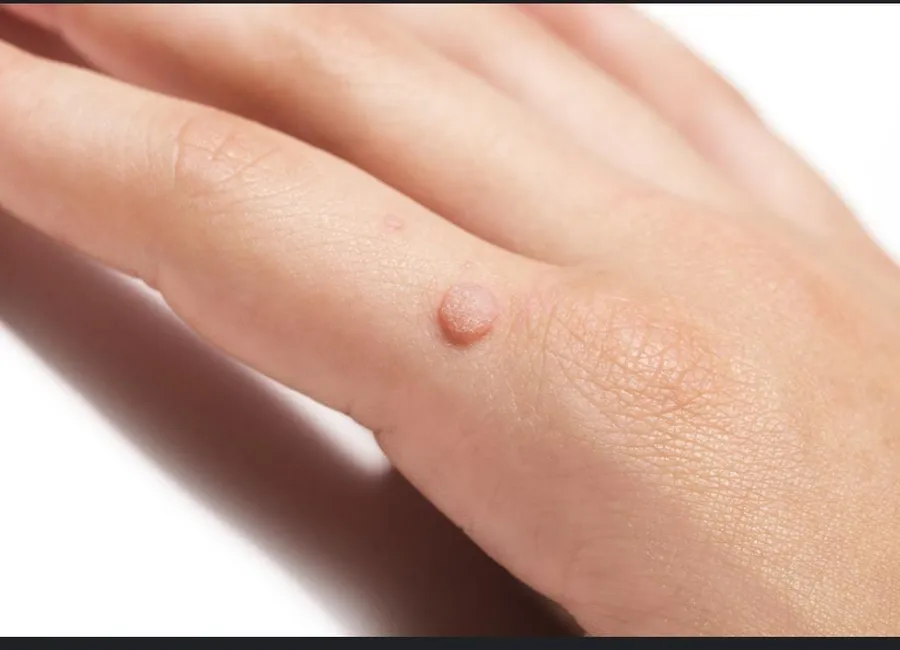
Wart Removal Techniques
Warts are common skin concerns that many people experience at different stages of life. There are several modern techniques that help remove them effectively and safely.
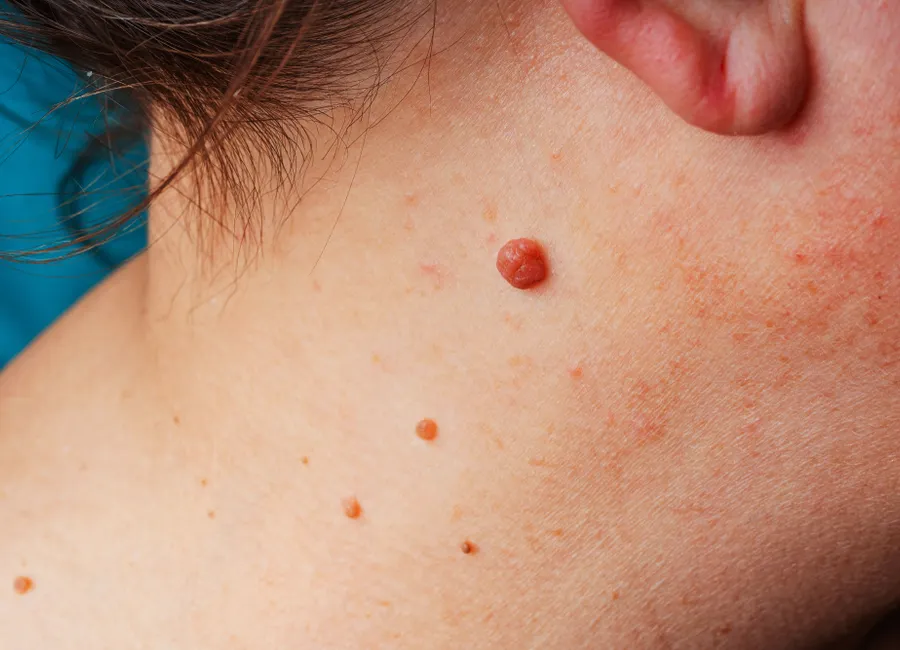
Skin Tag Removal Techniques
Skin tags are usually painless but can cause cosmetic concerns or irritation from constant friction. Modern techniques offer safe and effective options for removing them.
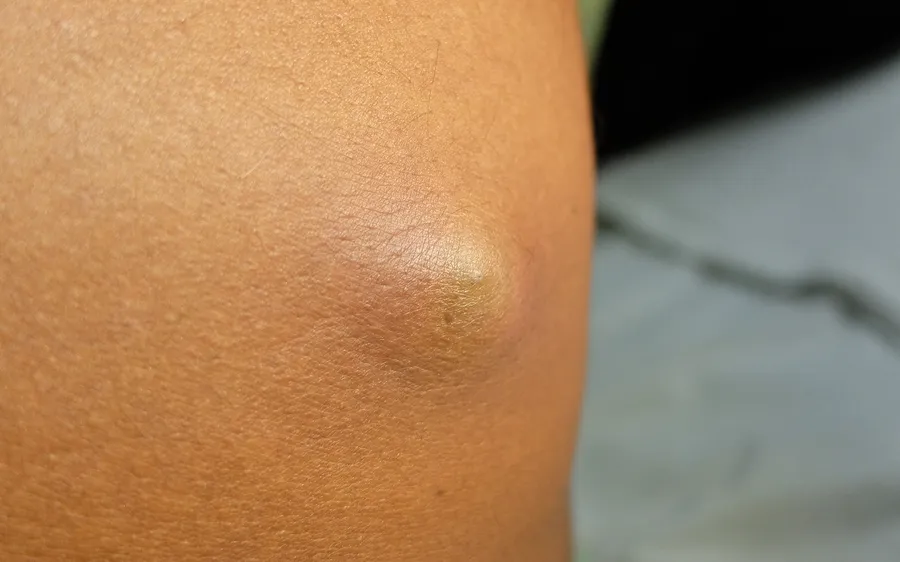
Sebaceous Cyst Removal
Sebaceous cysts are a common condition that appears beneath the skin and may cause cosmetic concerns. Today, several effective techniques are available to remove them safely.
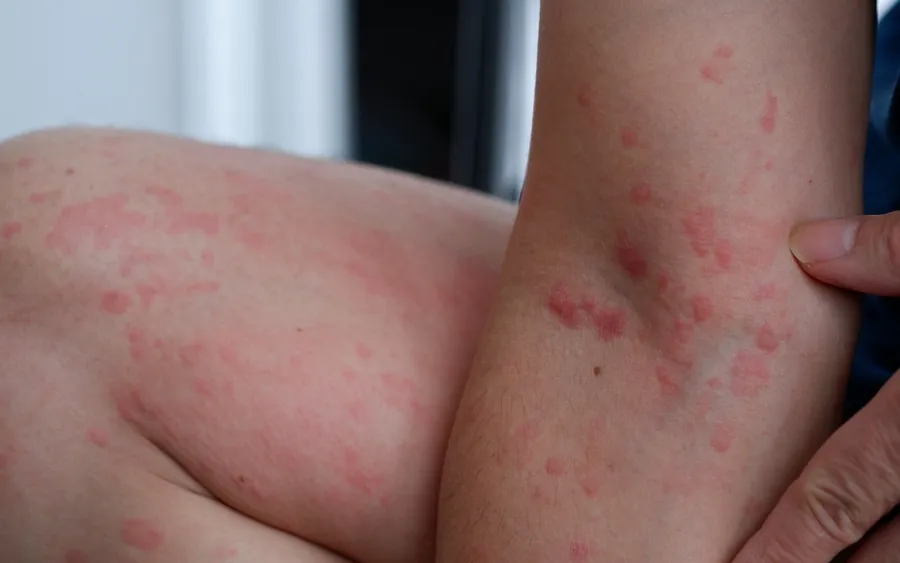
The Journey to Healing from Eczema
Eczema is a chronic skin condition that requires ongoing care and a comprehensive treatment plan including moisturization, medical treatment, and lifestyle management.
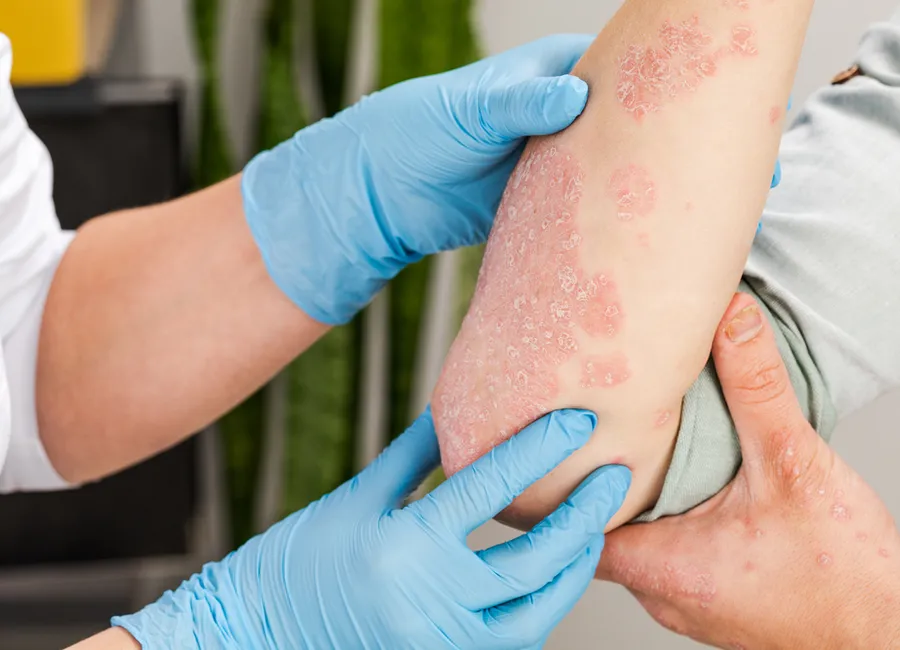
Psoriasis Treatment
Psoriasis is a chronic skin condition that requires a range of treatments, including ultraviolet light therapy, topical creams, and modern biologic therapies.
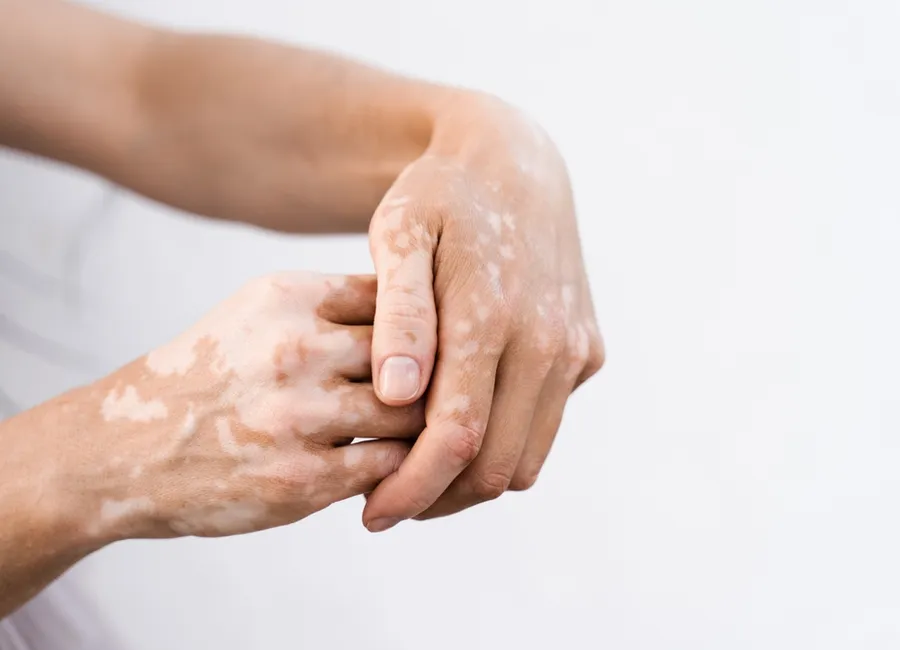
Vitiligo Treatment Techniques: Restoring Beauty and Self-Confidence
Vitiligo is a skin disorder caused by the loss of melanin, the pigment responsible for skin color, in certain areas of the skin.