dermatology
Rosacea Treatment: Steps Toward Clearer, Healthier Skin
Rosacea is a common skin condition characterized by persistent facial redness, swelling, and sometimes small bumps. Its symptoms can be effectively managed with a variety of treatment options.
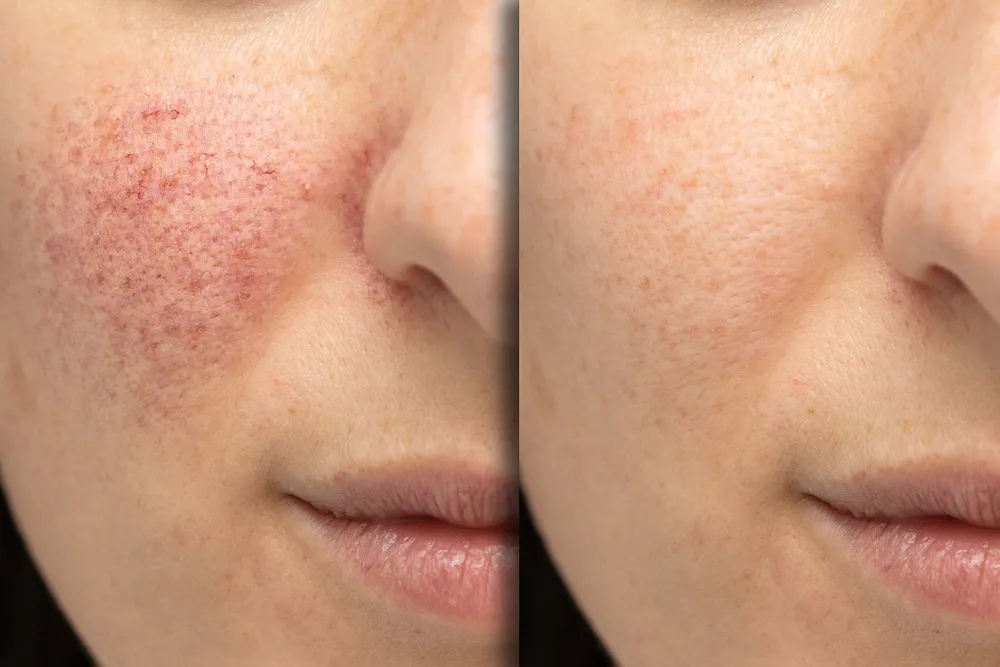
Rosacea is a common skin condition that affects many people, particularly adults. It is characterized by noticeable redness on the face, most commonly on the cheeks, nose, forehead, and chin. It may also be accompanied by swelling or small acne-like bumps. Although rosacea is not a serious condition, it can be bothersome and may affect a person's appearance and self-confidence. Fortunately, several effective treatments can help control symptoms, calm the skin, and allow patients to enjoy a more comfortable and confident life.
1. Medication
Medication is the cornerstone of rosacea treatment, and the choice of therapy depends on the stage and severity of the condition. Topical antibiotics such as metronidazole and clindamycin are commonly used to reduce inflammation, while oral antibiotics such as doxycycline or tetracycline may be prescribed for more severe cases.
2. Laser and Light Therapy
Laser therapy and Intense Pulsed Light (IPL) treatments help reduce redness caused by enlarged blood vessels. They improve the skin's appearance by targeting visible capillaries and significantly reducing their appearance.
3. Specialized Skincare
Using gentle skincare products formulated for sensitive skin is recommended while avoiding products containing alcohol or fragrances. Regular moisturizing and daily use of sunscreen also help minimize irritation and protect the skin from environmental factors.
4. Triggers to Avoid
Common rosacea triggers include extreme heat or cold, stress, spicy foods, hot beverages, alcohol, and excessive sweating, all of which may worsen skin irritation and redness.
5. Healthy Diet and Lifestyle
Eating foods rich in omega-3 fatty acids and vitamins such as C and A, along with drinking plenty of water, can help improve skin health and reduce inflammation associated with rosacea.
6. Regular Medical Follow-Up
Since rosacea is a chronic condition, regular follow-up with a dermatologist is essential to adjust the treatment plan as the condition changes and to ensure the best possible outcomes.
Related Topics
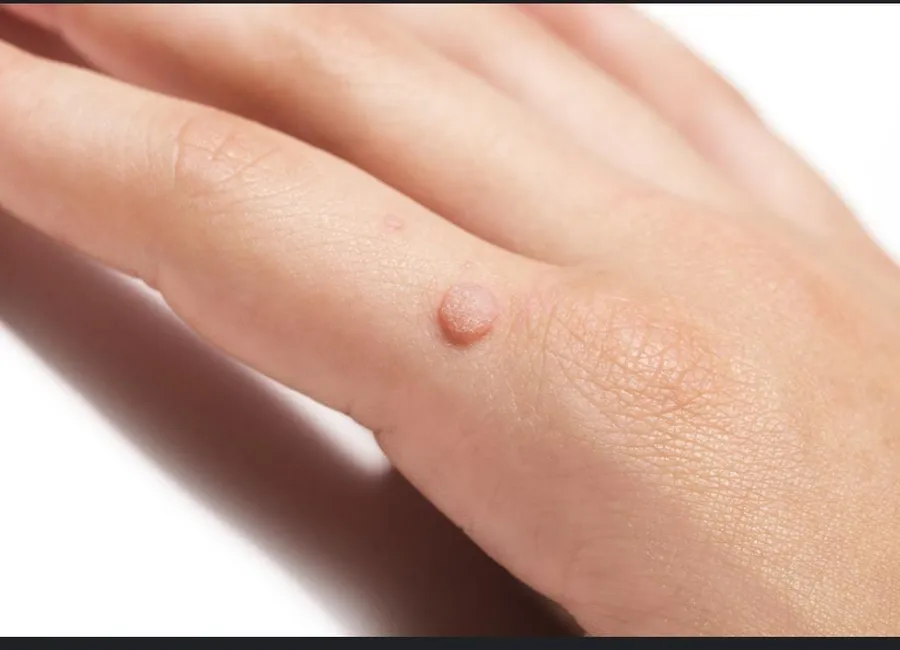
Wart Removal Techniques
Warts are common skin concerns that many people experience at different stages of life. There are several modern techniques that help remove them effectively and safely.
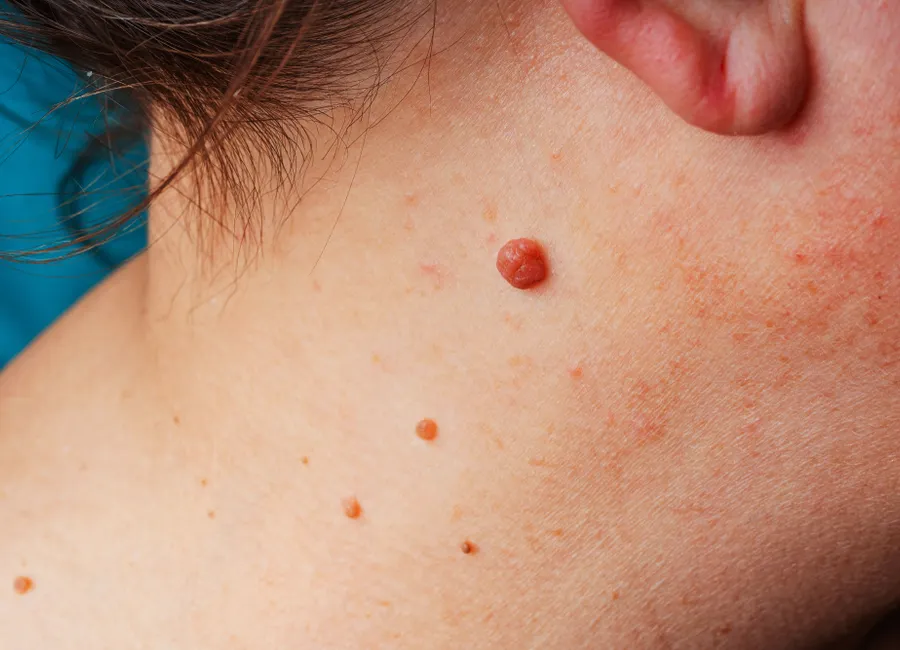
Skin Tag Removal Techniques
Skin tags are usually painless but can cause cosmetic concerns or irritation from constant friction. Modern techniques offer safe and effective options for removing them.
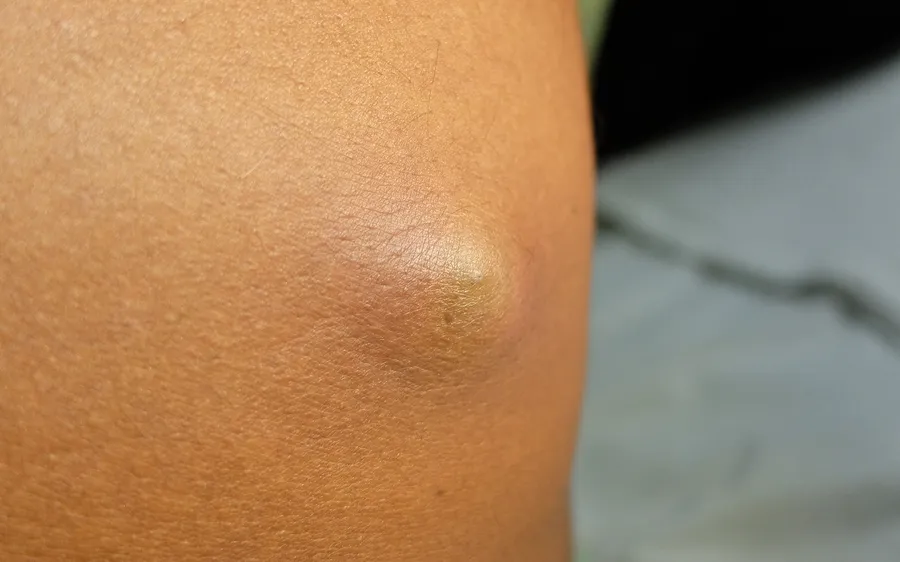
Sebaceous Cyst Removal
Sebaceous cysts are a common condition that appears beneath the skin and may cause cosmetic concerns. Today, several effective techniques are available to remove them safely.
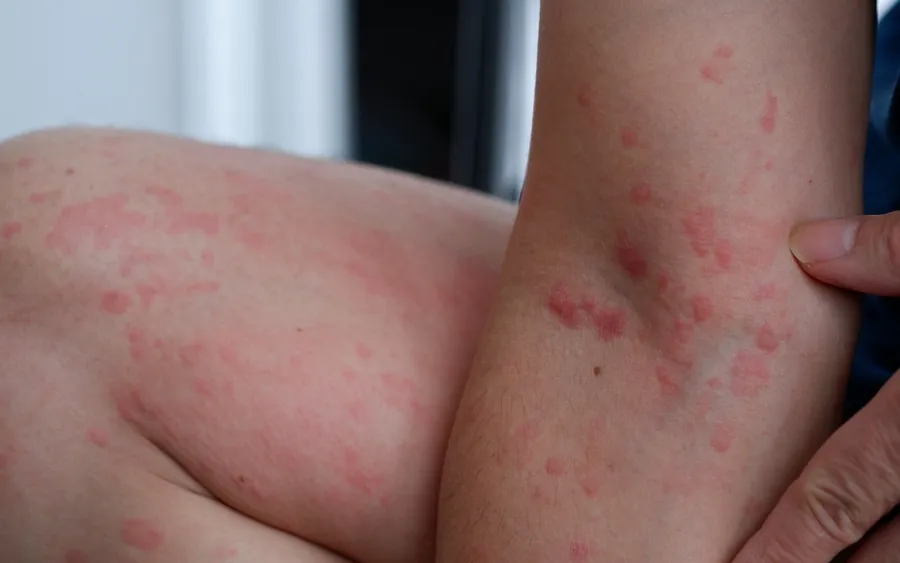
The Journey to Healing from Eczema
Eczema is a chronic skin condition that requires ongoing care and a comprehensive treatment plan including moisturization, medical treatment, and lifestyle management.
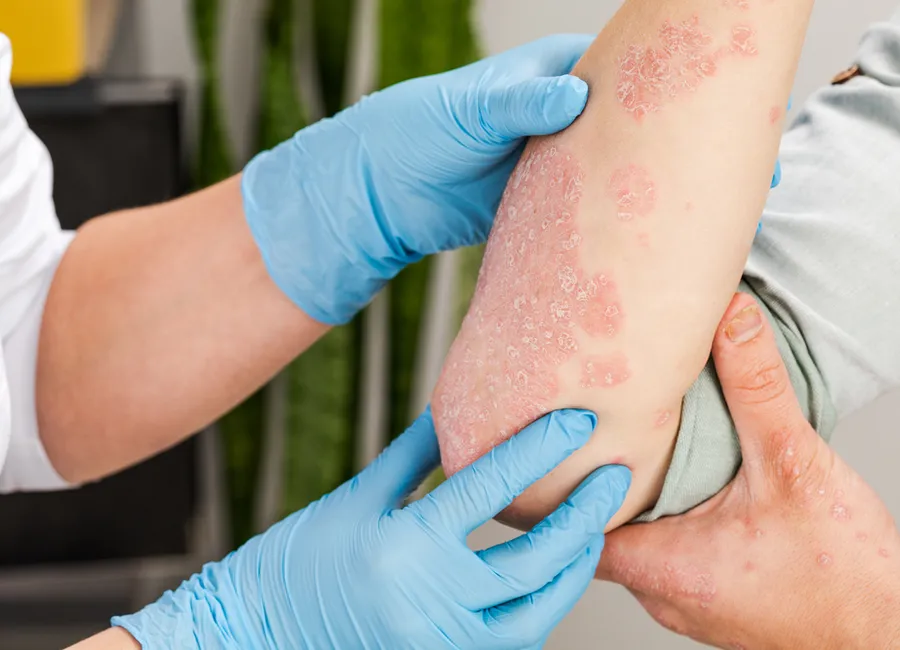
Psoriasis Treatment
Psoriasis is a chronic skin condition that requires a range of treatments, including ultraviolet light therapy, topical creams, and modern biologic therapies.
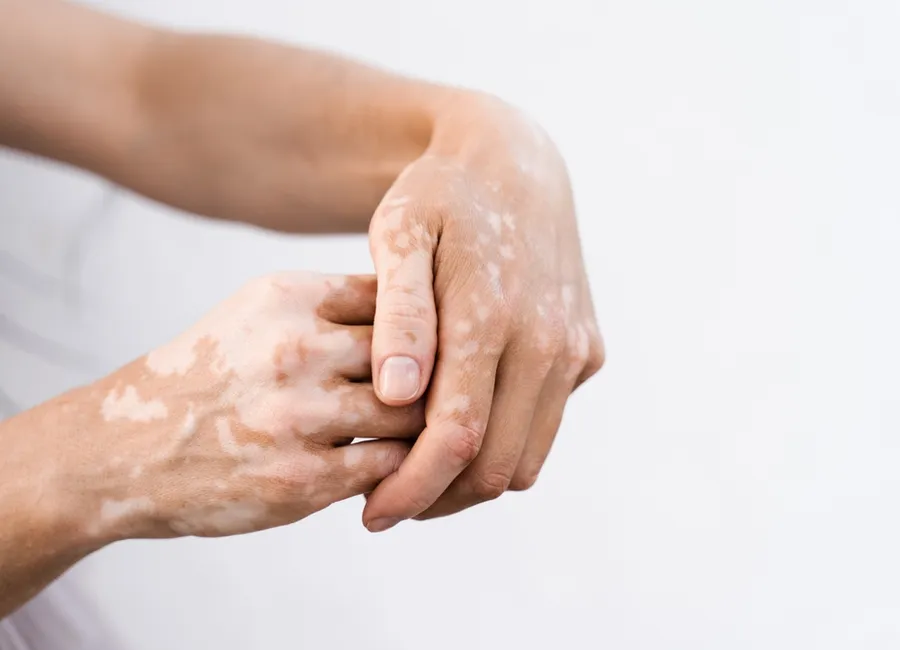
Vitiligo Treatment Techniques: Restoring Beauty and Self-Confidence
Vitiligo is a skin disorder caused by the loss of melanin, the pigment responsible for skin color, in certain areas of the skin.