hair-care
Hair Fungal Infections
Hair fungal infections are common problems that affect the scalp and can significantly impact hair health and overall appearance.
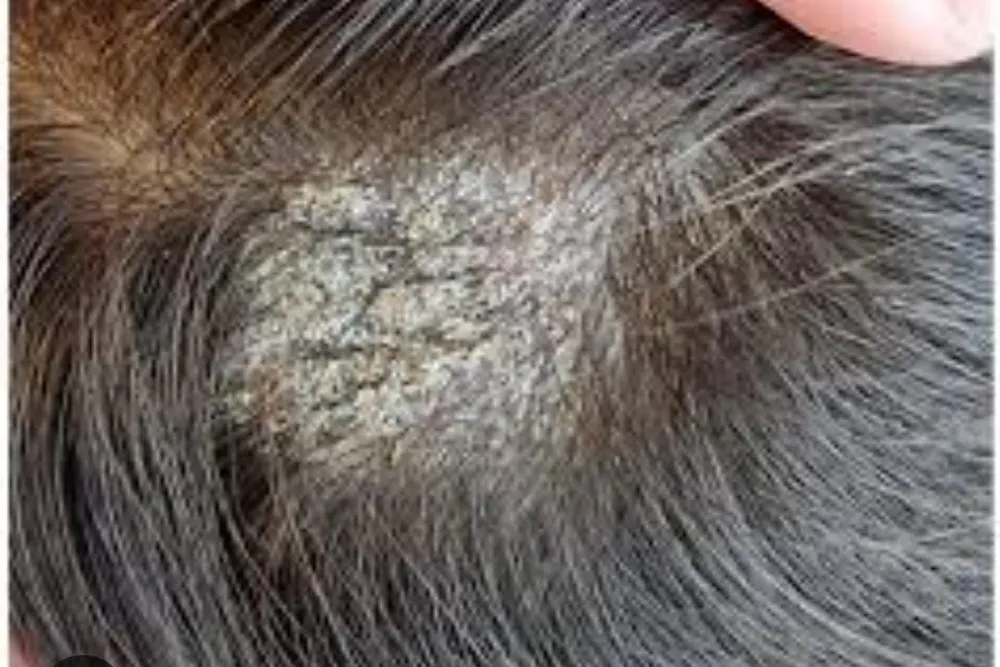
Hair fungal infections are common problems that affect the scalp and can significantly impact hair health and overall appearance. These tiny fungi, invisible to the naked eye, can cause a lot of discomfort and stress, especially if not treated properly. But what are hair fungal infections, and how can they be effectively managed?
What are Hair Fungal Infections?
Hair fungal infections are infections that affect the scalp due to the presence of fungi or microorganisms that feed on the natural oils found on the skin. These infections are usually caused by a group of fungi known as dermatophytes, such as Malassezia, or fungi like tinea (ringworm), which grow on the skin surface and cause irritation and redness.
Causes of Hair Fungal Infections
- Excess moisture and sweating: Excessive sweating is one of the main causes of fungal growth on the scalp, especially in hot weather or after exercise, as sweat creates an ideal environment for fungi to grow.
- Poor personal hygiene: Not washing hair regularly or using unclean or contaminated hair products can promote fungal growth.
- Weakened immune system: People with weakened immune systems due to chronic conditions such as diabetes or during chemotherapy are more susceptible to fungal infections.
- Direct contact with infected individuals: Fungal infections are contagious and can spread through direct contact or by sharing personal items such as combs, towels, or hats.
- Use of harsh hair products: Some shampoos or products containing strong chemicals may damage the scalp and increase the likelihood of fungal growth.
Symptoms of Hair Fungal Infections
- Persistent itching: The person feels intense itching on the scalp, which is one of the most common symptoms.
- Gradual hair loss: Fungal infections can lead to hair loss in certain areas of the scalp.
- Redness and irritation: Red or swollen patches may appear in the affected areas.
- Scales or crusts: The buildup of flakes or crusty patches on the scalp may indicate a fungal infection.
Treatment of Hair Fungal Infections
Although hair fungal infections can be uncomfortable, they are not impossible to treat. Medical treatments and natural remedies can help eliminate them effectively.
- Antifungal medications: Antifungal treatments are among the most effective first-line options. Shampoos containing antifungal ingredients such as ketoconazole or selenium sulfide can be used to reduce fungal growth and improve scalp health.
- Topical medications: A doctor may recommend antifungal creams or ointments to directly treat affected areas, such as creams containing terbinafine or clotrimazole.
- Natural oil treatment: Oils such as tea tree oil and coconut oil have antifungal properties and can be used to massage the scalp. However, they should be used carefully and in appropriate amounts to avoid irritation.
- Proper hygiene and moisturization: Maintaining scalp hygiene is essential. Hair should be washed regularly with a gentle shampoo containing antibacterial and antifungal properties, and contaminated personal hair tools should be avoided.
- Prevention: Prevention is a key part of treatment. Avoiding the sharing of personal hair tools, reducing excessive sweating, and carefully selecting hair products can help reduce infection risk.
Hair fungal infections can be very uncomfortable, but with proper treatment and good care, they can be overcome. Scalp fungal conditions require special attention and early medical consultation to prevent worsening. If you experience any of the mentioned symptoms, it is best to consult a specialist to determine the most appropriate treatment. Remember that caring for scalp health is the key to healthy and beautiful hair.
Related Topics
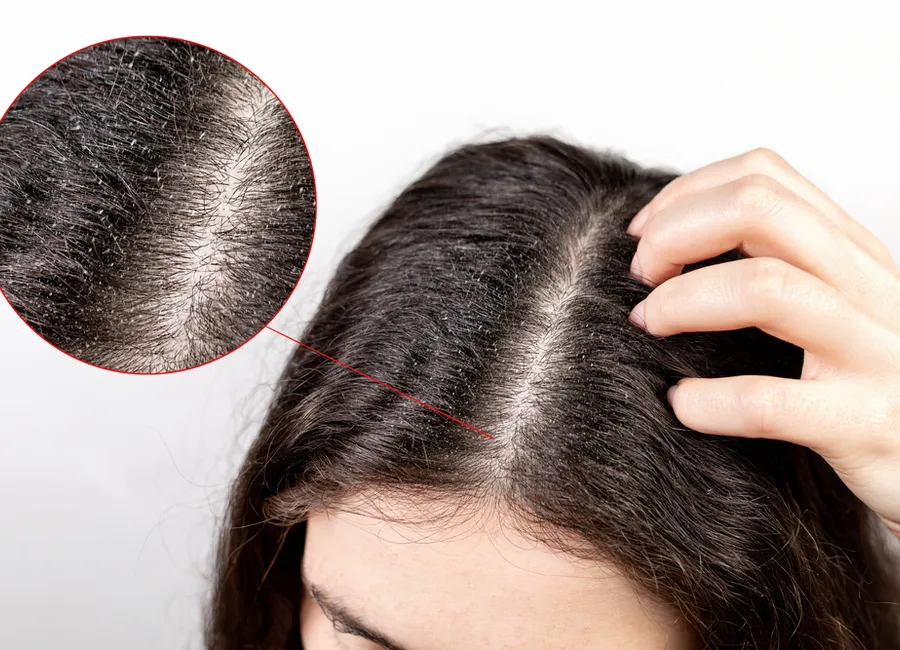
Dandruff
Dandruff is a common condition characterized by flaking of the scalp and the appearance of small white flakes.
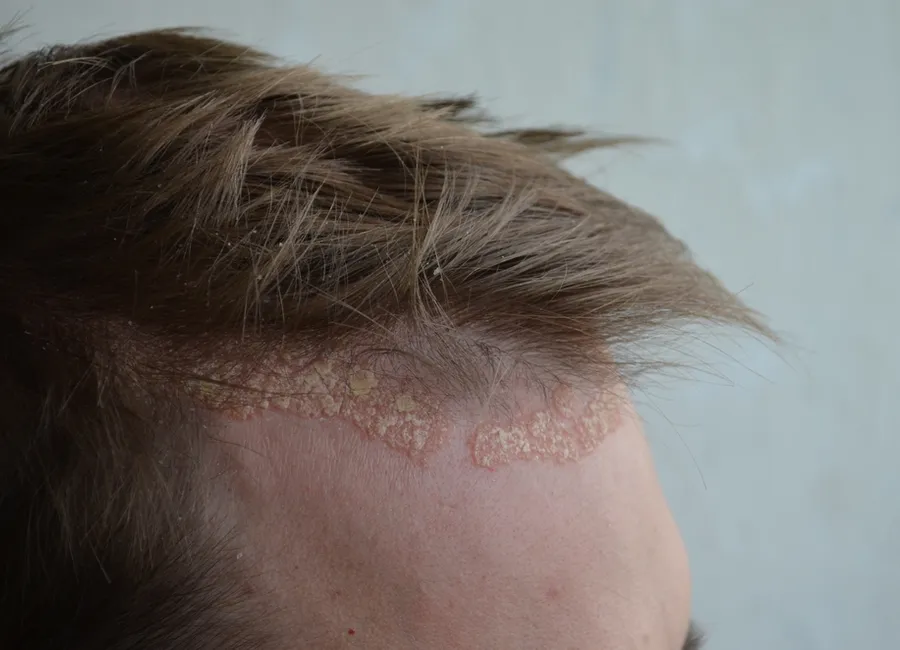
Scalp Psoriasis
Scalp psoriasis is a common skin condition that affects the scalp, causing thick silver or white scales and intense itching.
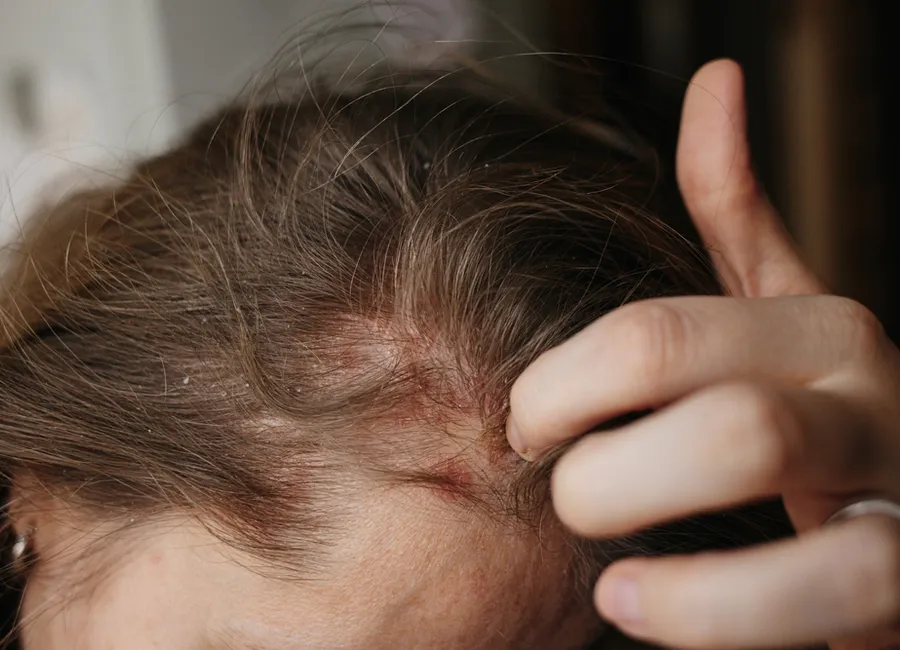
Seborrheic Eczema
Seborrheic eczema is a common skin condition that affects millions of people worldwide.
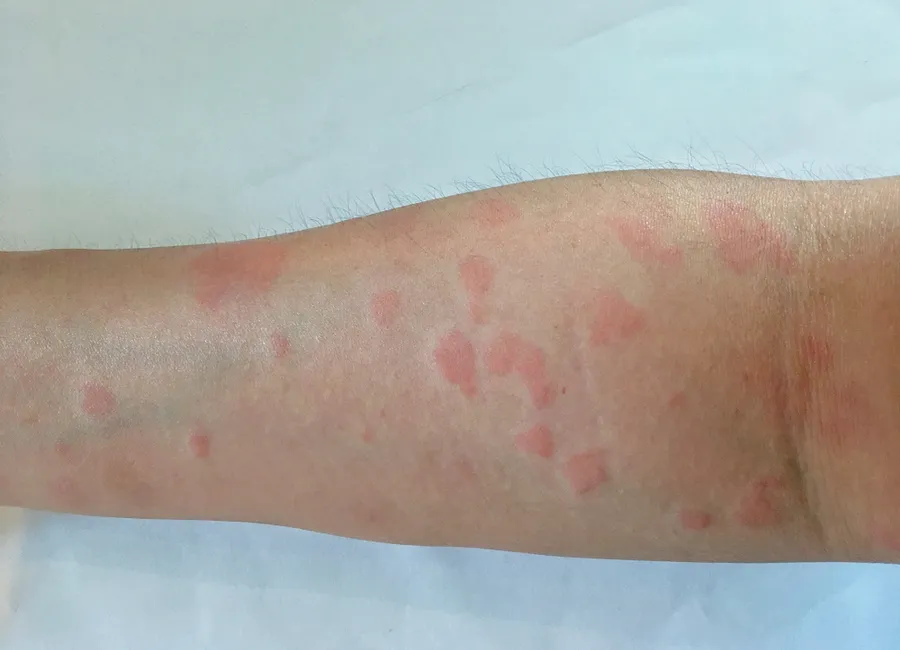
Lupus (Systemic Lupus Erythematosus)
Lupus, or Systemic Lupus Erythematosus (SLE), is a complex and chronic autoimmune disease.
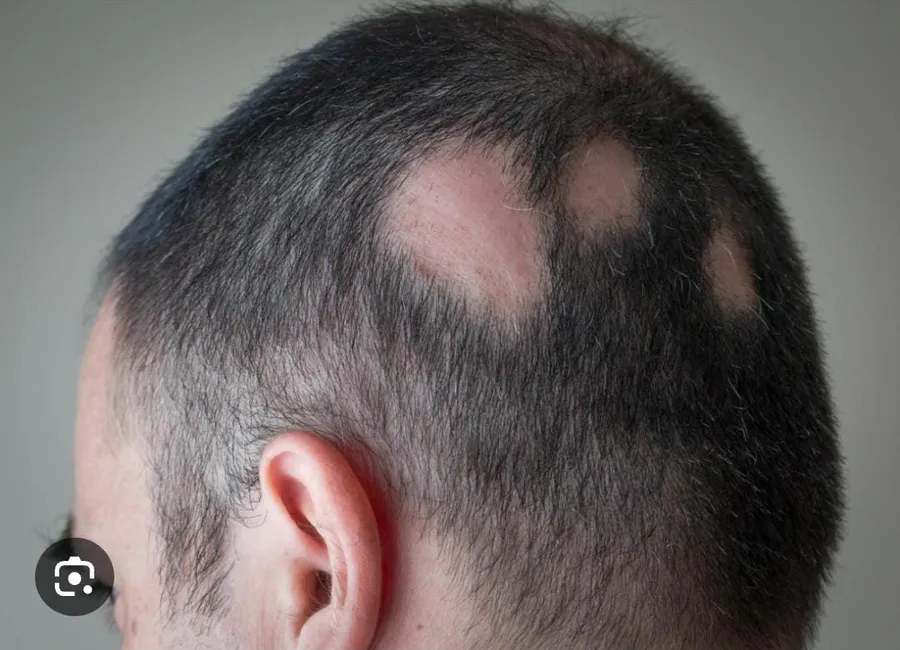
Alopecia Treatment Techniques
Alopecia is a condition that causes sudden hair loss and bald patches. Today, multiple treatment techniques are available to stimulate hair growth and restore a natural appearance.
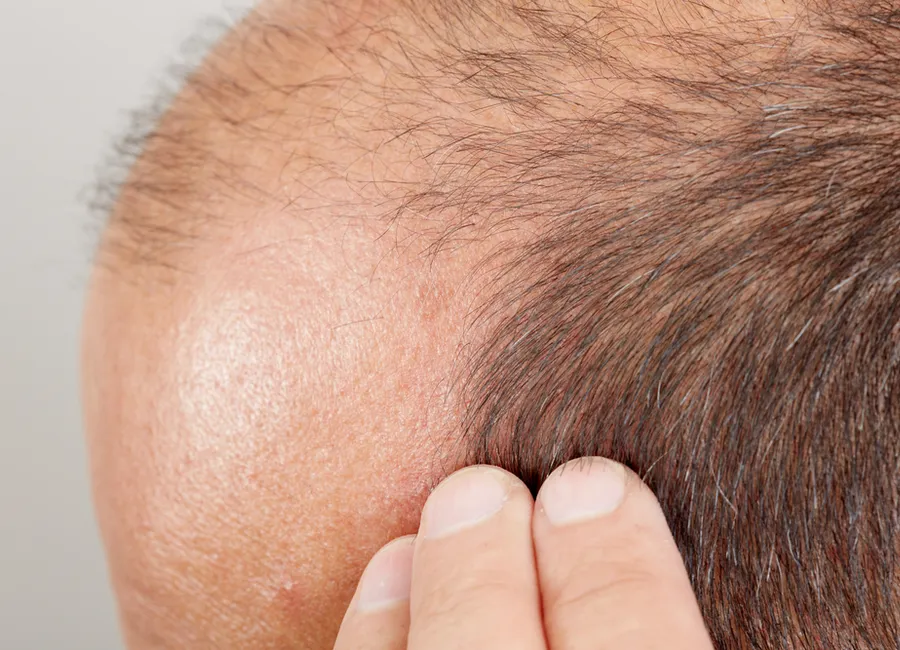
Androgenetic Alopecia (Genetic Hair Loss)
Genetic hair loss, or androgenetic alopecia, is the most common type of hair loss, affecting both men and women due to genetic and hormonal factors that impact hair follicles.