hair-care
Seborrheic Eczema
Seborrheic eczema is a common skin condition that affects millions of people worldwide.
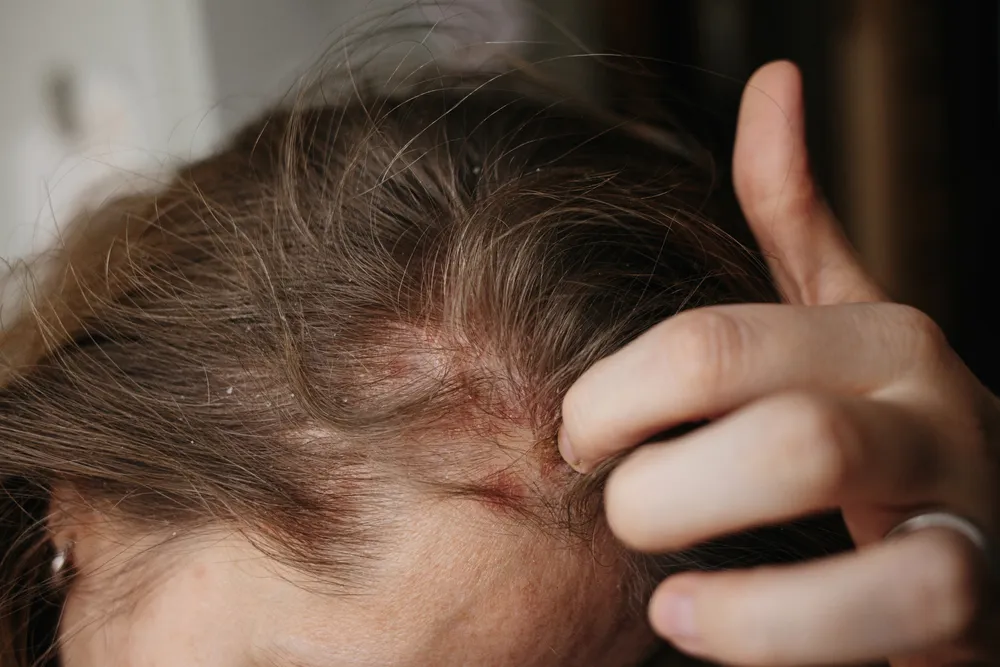
Seborrheic eczema is a common skin condition that affects millions of people around the world. It is characterized by inflammation of the skin and the appearance of a red, scaly rash, most commonly affecting oily areas of the body such as the scalp, face, and chest.
Causes and Symptoms
The exact cause of seborrheic eczema is not fully understood, but it is believed to be associated with several factors, including:
- Fungi: Naturally occurring skin fungi may contribute to worsening symptoms.
- Genetics: Hereditary factors may increase the risk of developing seborrheic eczema.
- Immune system: An abnormal immune response may play a role in people with seborrheic eczema.
- Stress: Emotional or physical stress can trigger or worsen flare-ups.
Common symptoms of seborrheic eczema include:
- Redness: The affected skin appears red and inflamed.
- Scaling: White or yellow scales develop on the skin.
- Itching: Persistent itching in the affected areas.
- Rash: A red, flaky rash appears on the affected areas.
Diagnosis and Treatment
Seborrheic eczema is typically diagnosed through a physical examination and a review of the patient's medical history. In some cases, the doctor may take a small skin sample (biopsy) for microscopic examination.
Although there is no permanent cure for seborrheic eczema, several treatments can help control and relieve its symptoms. These treatments include:
- Medicated shampoos: Contain ingredients that help reduce scaling and itching.
- Topical creams and ointments: Contain anti-inflammatory agents and corticosteroids.
- Antifungal medications: Used when fungal overgrowth contributes to worsening symptoms.
Tips for Living with Seborrheic Eczema
In addition to medical treatments, the following tips can help manage seborrheic eczema more effectively:
- Avoid scratching the skin, as scratching can worsen symptoms and increase the risk of infection.
- Use gentle skincare products and avoid products containing harsh chemicals.
- Keep the skin moisturized by using natural oils or lightweight moisturizers.
- Manage stress, as it can trigger or worsen symptoms.
- Maintain a healthy, balanced diet to support overall skin health.
Seborrheic eczema is more than just a skin condition—it can also affect a person's emotional well-being and quality of life. Consulting a dermatologist for an accurate diagnosis and appropriate treatment, along with following the recommendations above, can help you manage the condition effectively and improve your quality of life.
Related Topics
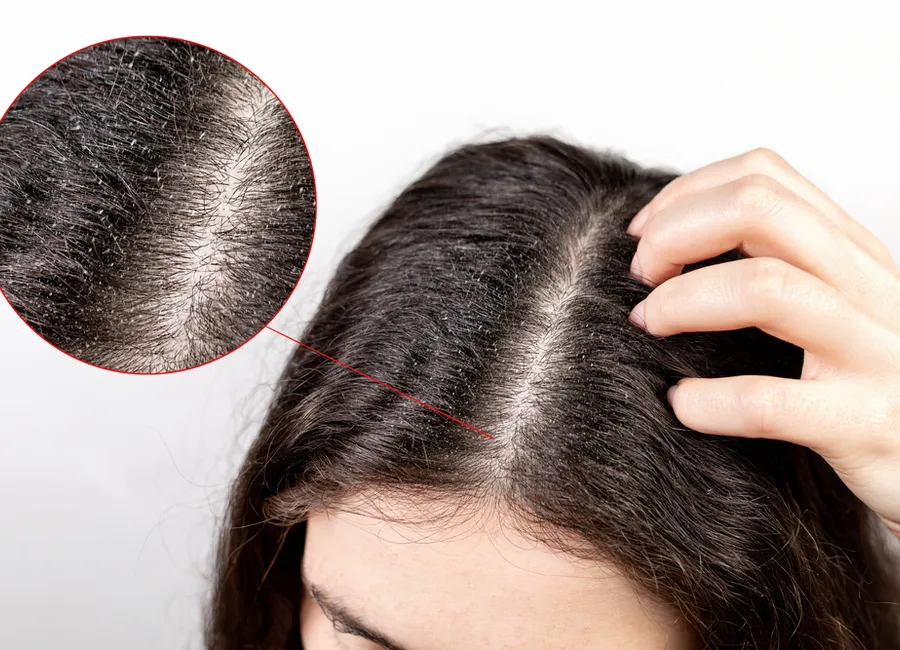
Dandruff
Dandruff is a common condition characterized by flaking of the scalp and the appearance of small white flakes.
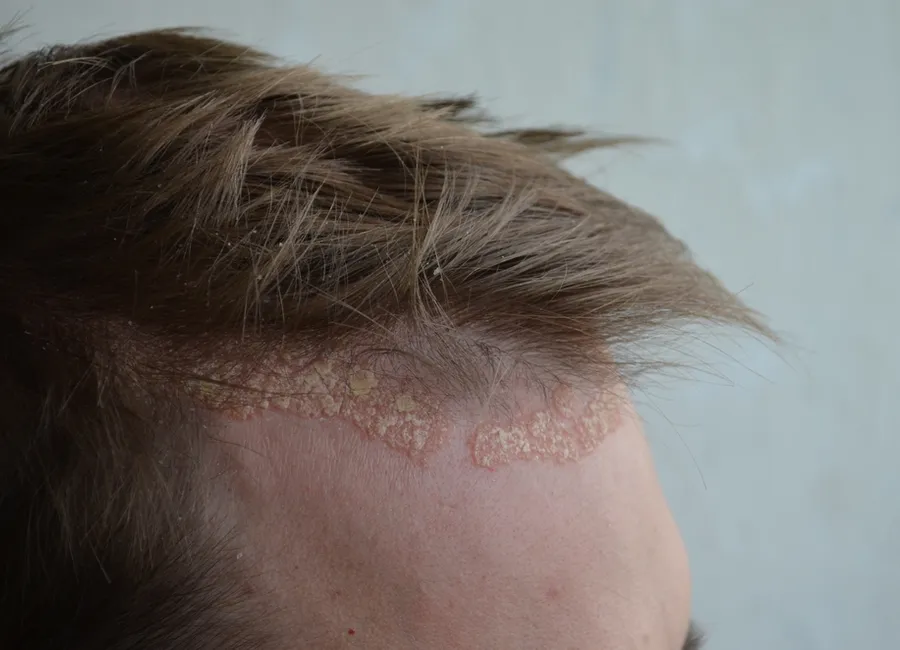
Scalp Psoriasis
Scalp psoriasis is a common skin condition that affects the scalp, causing thick silver or white scales and intense itching.
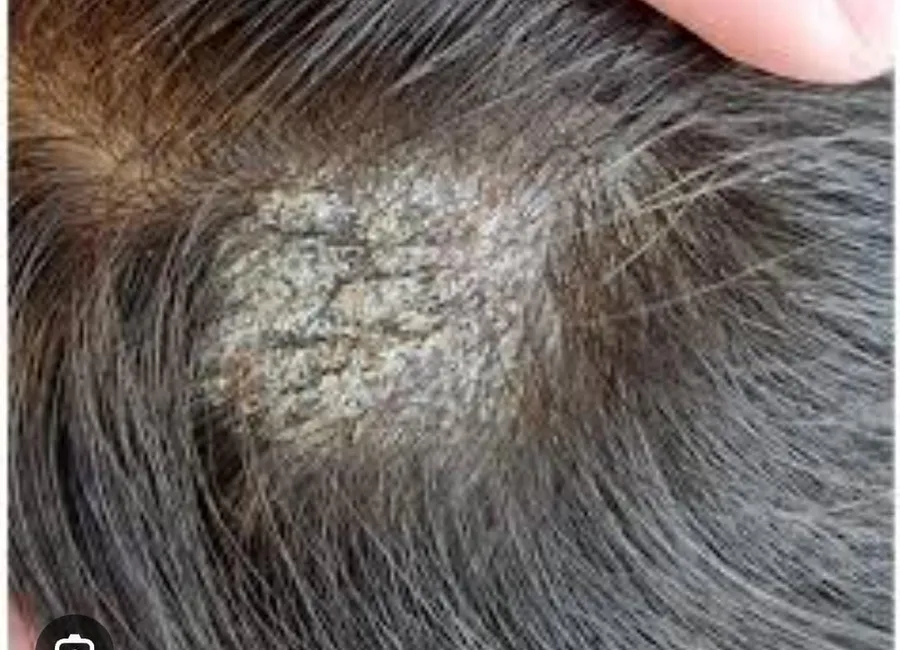
Hair Fungal Infections
Hair fungal infections are common problems that affect the scalp and can significantly impact hair health and overall appearance.
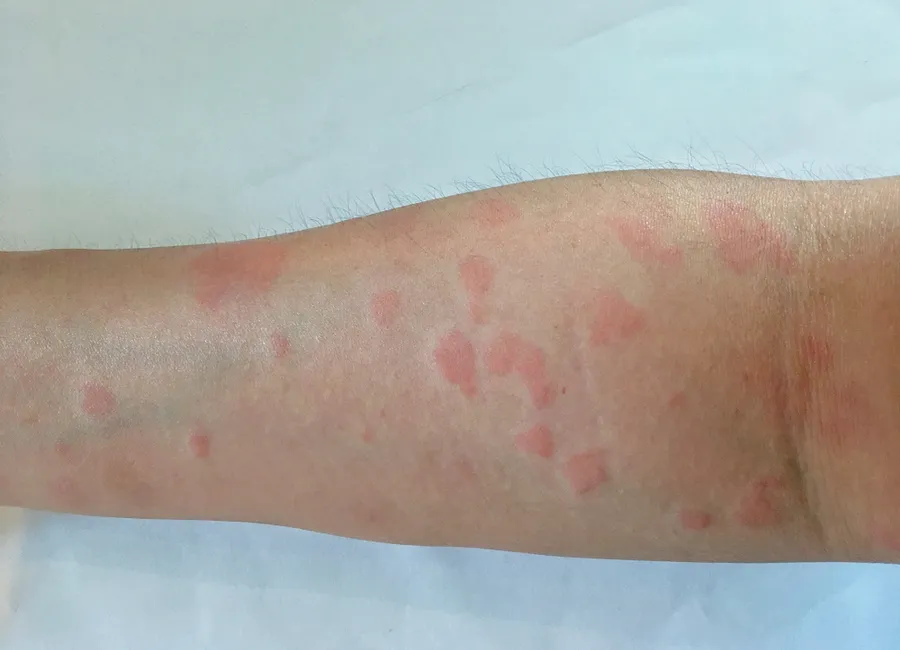
Lupus (Systemic Lupus Erythematosus)
Lupus, or Systemic Lupus Erythematosus (SLE), is a complex and chronic autoimmune disease.
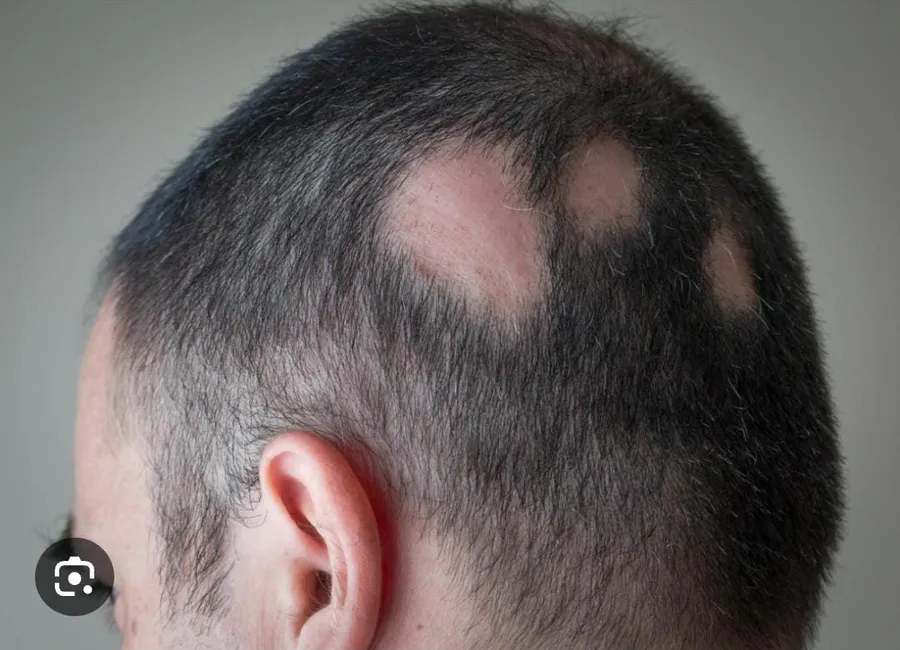
Alopecia Treatment Techniques
Alopecia is a condition that causes sudden hair loss and bald patches. Today, multiple treatment techniques are available to stimulate hair growth and restore a natural appearance.
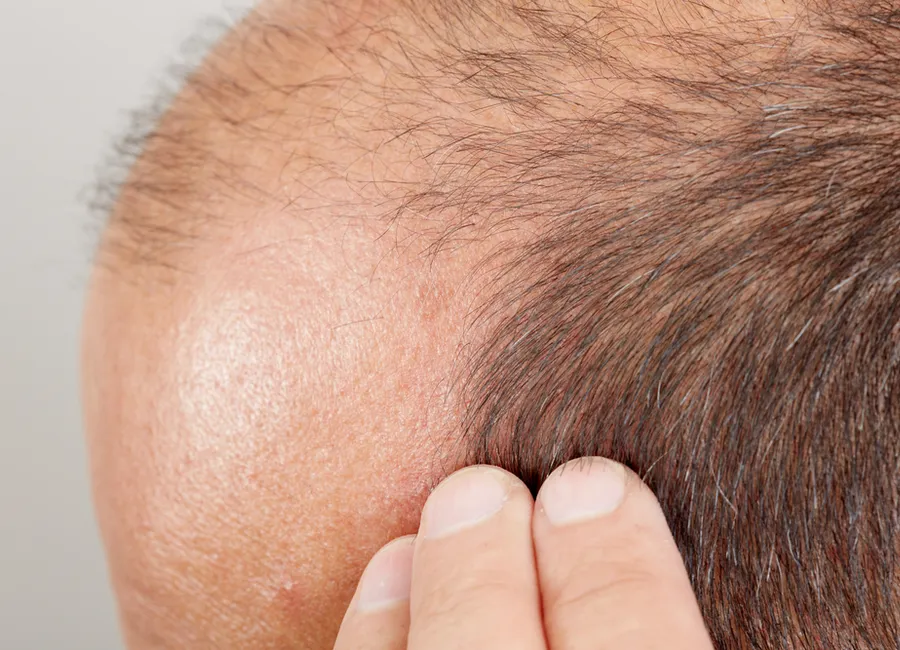
Androgenetic Alopecia (Genetic Hair Loss)
Genetic hair loss, or androgenetic alopecia, is the most common type of hair loss, affecting both men and women due to genetic and hormonal factors that impact hair follicles.