hair-care
Lupus (Systemic Lupus Erythematosus)
Lupus, or Systemic Lupus Erythematosus (SLE), is a complex and chronic autoimmune disease.
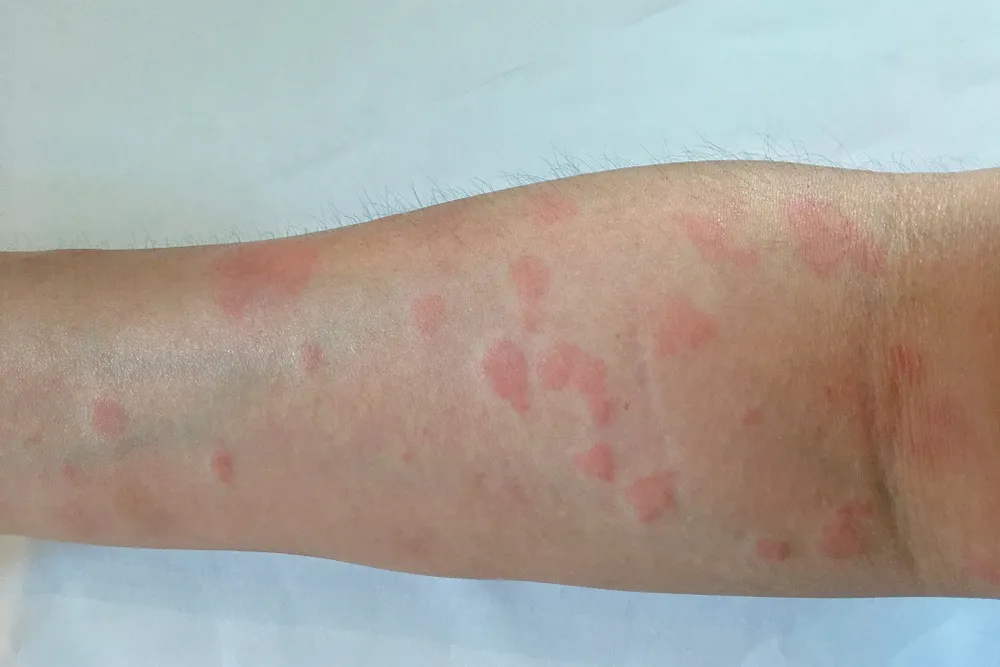
Lupus, or Systemic Lupus Erythematosus (SLE), is a complex and chronic autoimmune disease. This means that the immune system, which normally protects the body from foreign invaders like bacteria and viruses, mistakenly attacks the body's own healthy tissues and organs.
Causes and Symptoms
- Extreme fatigue: Constant exhaustion is often the first and most noticeable symptom.
- Joint and muscle pain: Many patients experience pain and swelling in the joints, similar to arthritis.
- Skin rash: A characteristic butterfly-shaped rash across the cheeks and the bridge of the nose.
- Photosensitivity: Worsening of symptoms when exposed to sunlight.
- Hair loss: This can be temporary or permanent.
- Mouth sores: Development of painful ulcers inside the mouth.
- Kidney problems: Symptoms may not appear in the early stages, but it can progress to serious kidney issues.
- Heart and lung problems: Inflammation of the membranes surrounding the heart and lungs.
- Neurological issues: Difficulty concentrating, memory loss, and even seizures.
Diagnosis and Treatment
Diagnosing Lupus relies on a variety of factors, including symptoms, medical history, physical examinations, and laboratory tests. No single test can confirm a Lupus diagnosis, but a combination of tests can help establish it and rule out other conditions.
- Anti-inflammatory medications: To relieve pain and swelling.
- Immunosuppressive drugs: To reduce the activity of the immune system.
- Corticosteroids: To control severe inflammation.
- Antimalarial drugs: May help reduce certain symptoms of Lupus.
Living with Lupus
Living with Lupus can be challenging, but there are many things patients can do to improve their quality of life under medical supervision:
- Rest: Getting an adequate amount of rest and sleep.
- Sun protection: Using sunscreen and wearing protective clothing.
- Healthy diet: Consuming nutrient-rich foods and reducing processed foods.
- Regular exercise: Exercising in moderation while listening to your body.
- Stress management: Learning relaxation techniques and coping mechanisms for stress.
- Psychological support: Seeking support from family, friends, and support groups.
Lupus is a complex and diverse disease that varies from one person to another. It is essential to work closely with a physician to develop a personalized treatment plan tailored to individual medical needs.
Related Topics
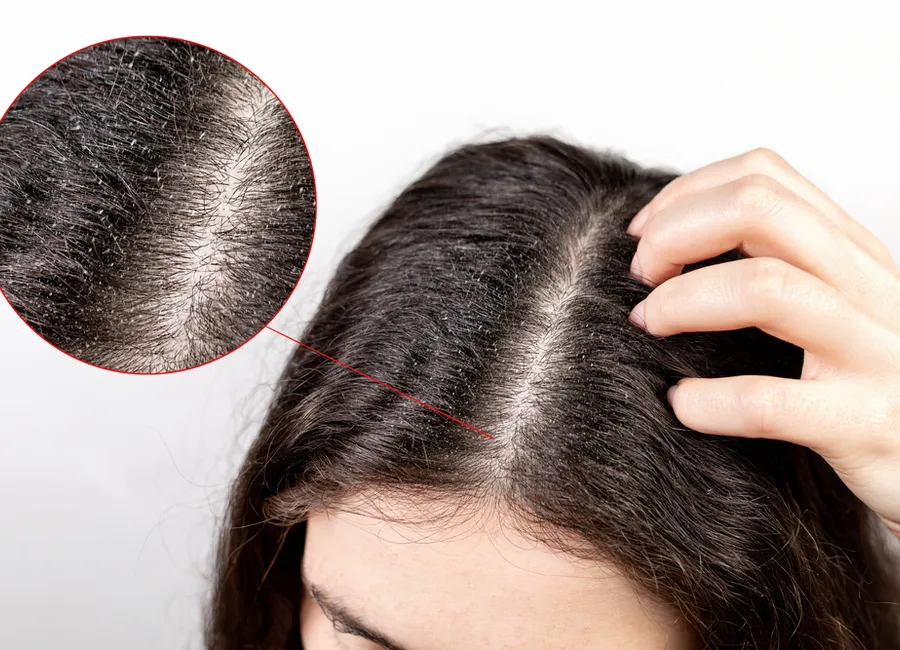
Dandruff
Dandruff is a common condition characterized by flaking of the scalp and the appearance of small white flakes.
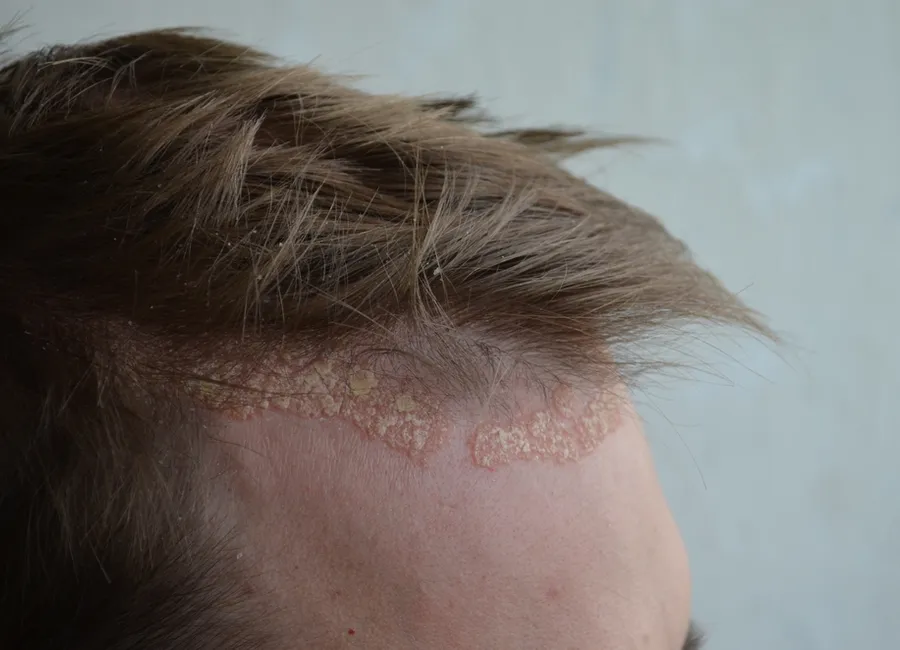
Scalp Psoriasis
Scalp psoriasis is a common skin condition that affects the scalp, causing thick silver or white scales and intense itching.
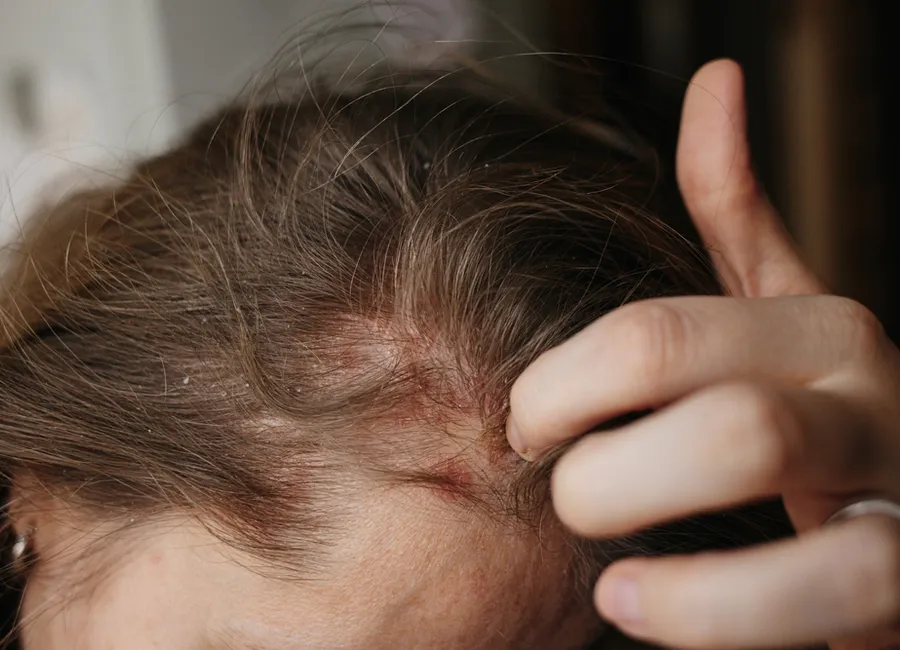
Seborrheic Eczema
Seborrheic eczema is a common skin condition that affects millions of people worldwide.
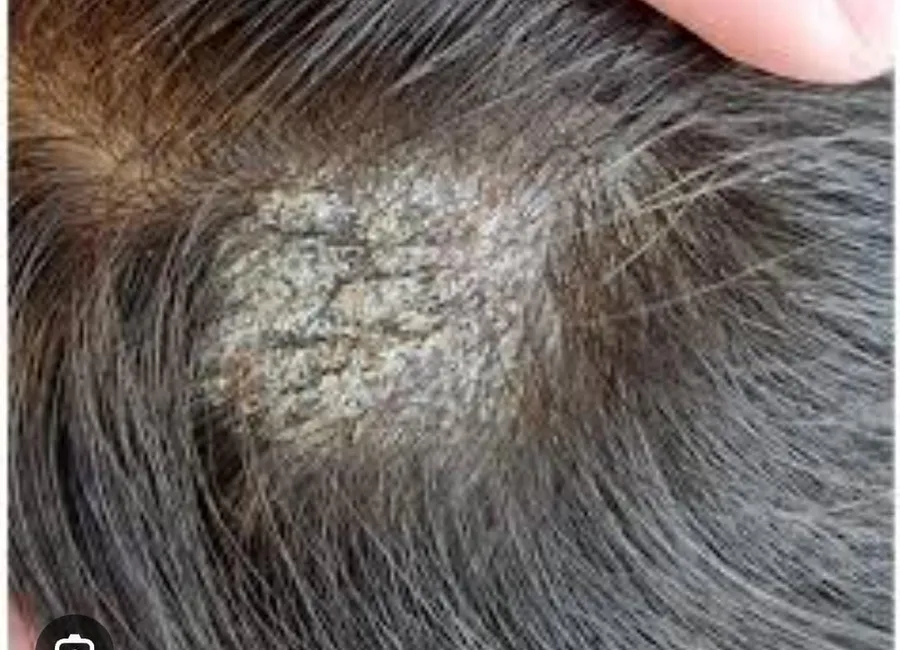
Hair Fungal Infections
Hair fungal infections are common problems that affect the scalp and can significantly impact hair health and overall appearance.
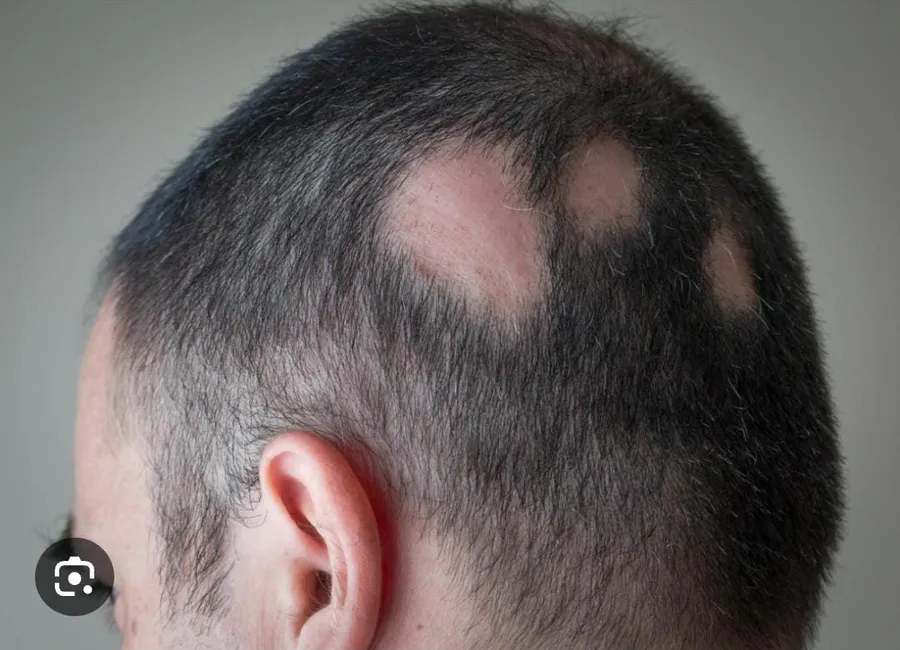
Alopecia Treatment Techniques
Alopecia is a condition that causes sudden hair loss and bald patches. Today, multiple treatment techniques are available to stimulate hair growth and restore a natural appearance.
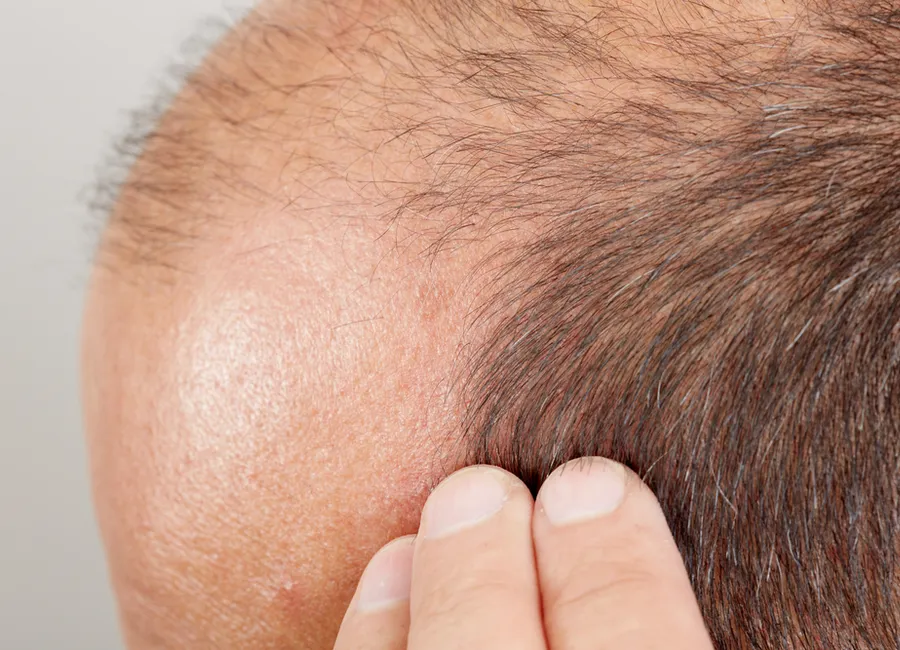
Androgenetic Alopecia (Genetic Hair Loss)
Genetic hair loss, or androgenetic alopecia, is the most common type of hair loss, affecting both men and women due to genetic and hormonal factors that impact hair follicles.